George McGowan balances parkour fame, family life and live performances
George McGowan has turned Britain’s Got Talent fame into a parkour career built on live shows, fatherhood and constant visibility.
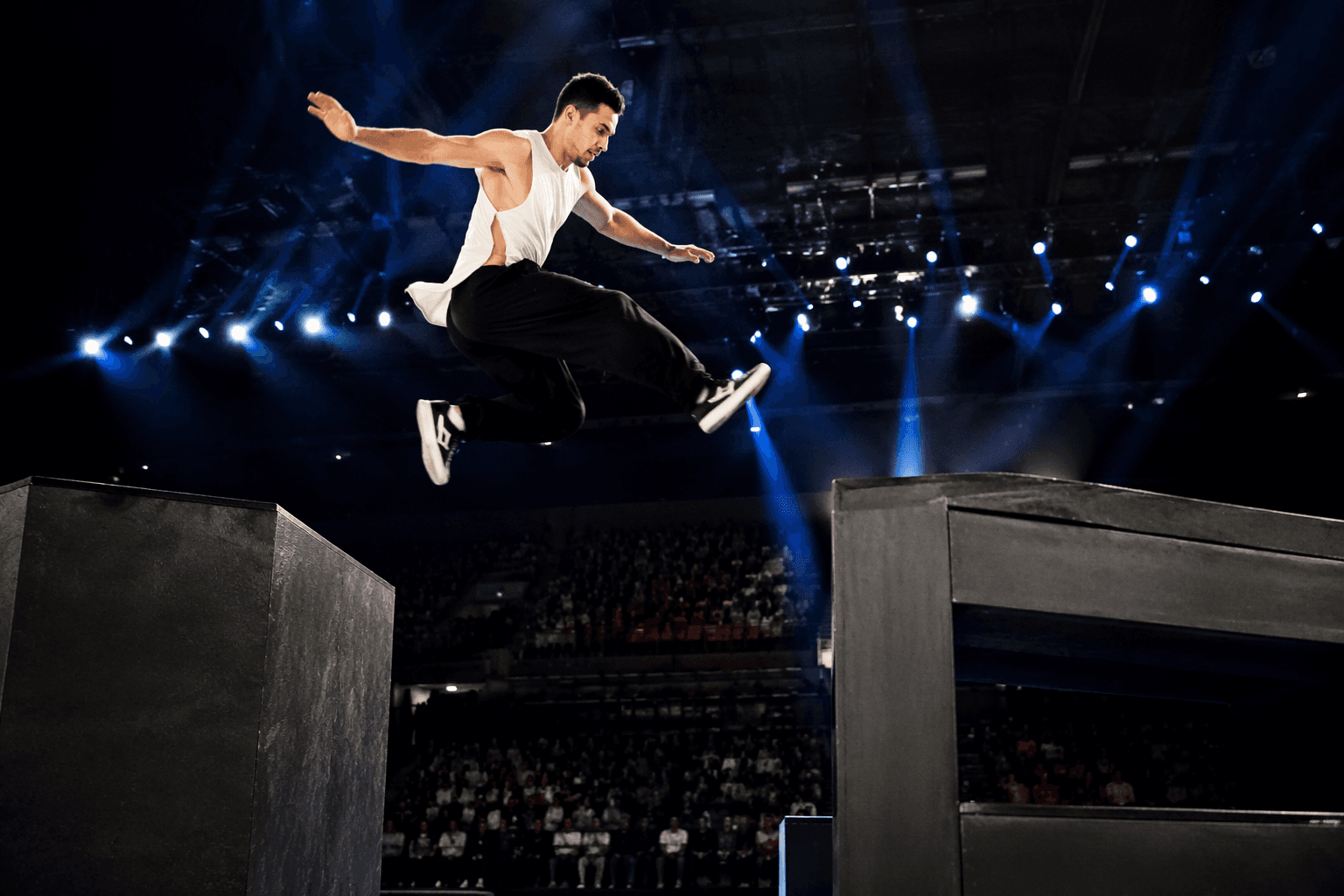
George McGowan has built a parkour identity that now lives as much in public image as in movement. The Ireland-based freerunner, who broke through with Britain’s Got Talent, stays relevant by pairing high-energy performances with a family-first persona that makes him easy to recognize and hard to pigeonhole. That mix matters in parkour, where the athletes who last often do more than land difficult tricks.
Britain’s Got Talent still anchors the brand
McGowan’s most recognizable touchpoint remains Britain’s Got Talent 2024, where he reached the semi-finals with The Parkour Collective. That run still carries weight because the series concluded on June 2, 2024, giving him a mainstream reference point that is recent enough to matter in a fast-moving entertainment cycle. For a parkour athlete, that kind of visibility does more than fill a resume line, it creates a name that audiences outside the discipline already know.
What makes McGowan useful as a face of the sport is that his profile does not depend on a single result or a single competition format. Parkour has always sat between sport, performance and spectacle, and his BGT exposure gave him a public doorway into all three. He is not being sold as a medal specialist so much as a recognisable movement artist who can keep drawing attention after the TV spotlight has moved on.
Fatherhood changes how the story lands
The newer framing around McGowan presents him as a parkour dad, and that detail does a lot of work. It shifts the conversation away from raw athleticism alone and toward how he manages visibility, routine and responsibility at the same time. In a culture that often celebrates the most extreme clip, fatherhood gives his story a daily-life anchor that audiences can immediately understand.
That balance is part of what makes his public image stick. The performer still looks like a professional athlete, but the family-man angle turns him into more than a stunt reel, and that matters in a sport where longevity often depends on being interesting even when you are not actively competing. McGowan’s case shows that parkour identity can be built around consistency and character, not just one viral moment.
His career is built for stages, screens and branded sets
McGowan’s professional profile lists him as a parkour athlete and acrobat based in Ireland with more than seven years of experience. It also places him in the kind of work that keeps elite freerunners employed between headline moments: international events, television productions and live shows. That is the economic reality for many parkour athletes now, where performance bookings matter as much as formal competitive results.
His credits show how wide that circuit has become. The list includes stunt work for the Belgian TV show HOODIE, parkour performance for Warner Brothers’ League of Legends project, and appearances at the Huawei Gala and Goodwood. Those are not random line items, they map the kind of mixed career that lets a freerunner stay visible across television, branded entertainment and high-profile event spaces.
That breadth also explains why McGowan reads as a career athlete rather than a one-off TV act. The more a parkour performer can move between a gala stage, a live showcase and a screen credit, the less dependent he is on a single competition calendar. In McGowan’s case, the work itself becomes the brand.
The movement still matters, especially when it leaves the stage
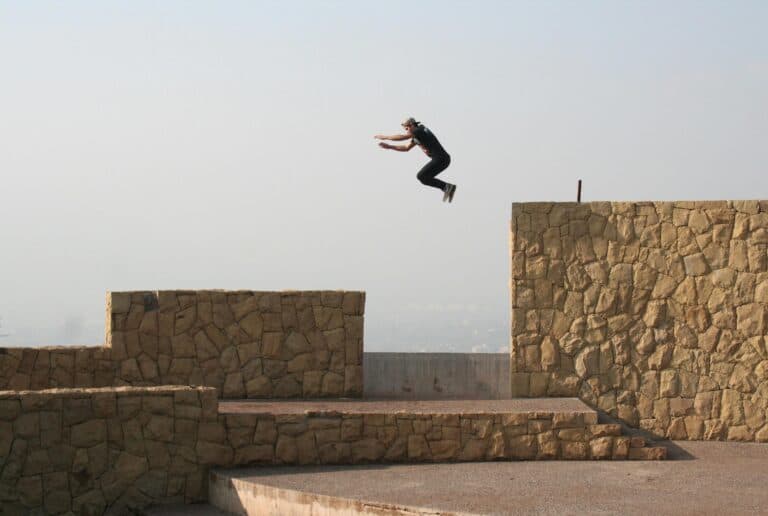
A June 13 Belfast clip showed the side of McGowan that keeps the audience coming back: precision jumps, tumbling and hand-balancing folded into an urban setting. The point of that kind of footage is not just technical difficulty, it is how the movement tells a story in a real environment. Parkour lands differently when the body is reading architecture, not just clearing an obstacle in isolation.
That is why McGowan functions so well as a public face for the discipline. He can still deliver the clean, high-skill movement that core parkour fans care about, but the presentation is broader than a competition score. He sells motion as performance, and performance as a way to keep parkour present in everyday media feeds.
He still sits inside the sport’s competitive and creative network
McGowan’s earlier conversation with Craig Constantine adds another layer to that picture. In that interview, he described himself as a professional parkour athlete from Northern Ireland and called himself the “springiest guy in the sport.” He also talked about the philosophical side of parkour, the perfectionist streak that drives repeated practice, and his collaboration with Robbie Corbett.
That same wider network shows up in his competitive and documentary footprint. He has taken part in the USA Parkour Cup, and a documentary trailer tied to his career credited the World Freerunning and Parkour Federation, along with the Philippines Obstacle Sports Federation, for making the film possible. Those details place him inside an international ecosystem, not just a local entertainment circuit.
That matters because parkour is maturing into a sport where reputation is built across multiple lanes at once. McGowan’s path shows how an athlete can stay relevant by combining competition, screen work, live performance and a carefully managed public identity. In his case, longevity is not a side effect of fame, it is the strategy.
This article was produced by Prism’s automated news system from verified source data, official records, and press releases, then run through automated quality and moderation checks before publishing. The system is built and supervised by the people who set the standards it runs under. Read our full AI policy.
Did this article answer your question?