Parkour UK creates female and open categories for 16-and-over athletes
Parkour UK has split 16-and-over competition into Female and Open, and the change is already built into August’s British Championships.
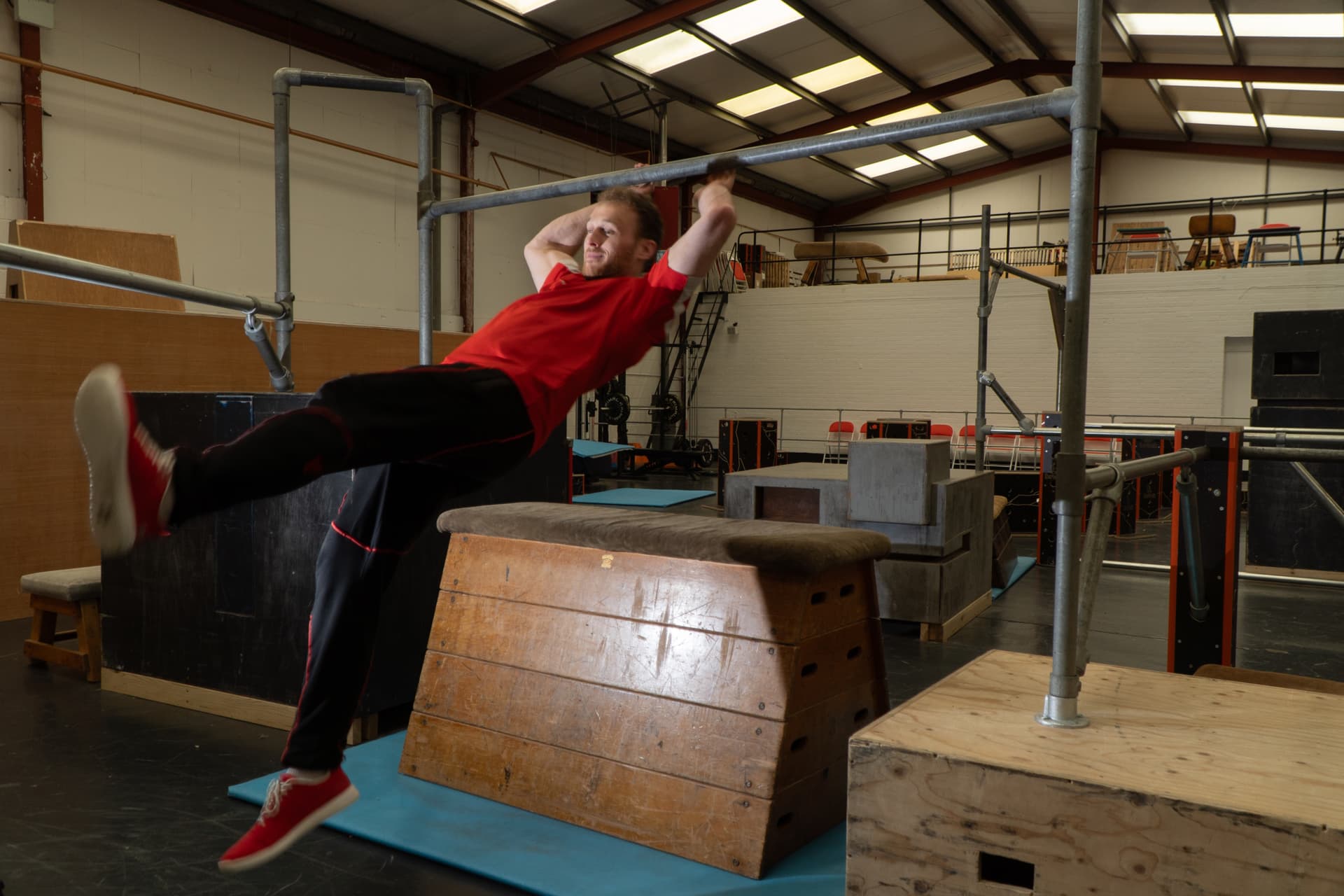
Parkour UK has split its 16-and-over competition pathway into Female and Open categories, putting a new eligibility framework in place immediately for affiliated events. The policy affects registration, seeding and podium planning right away, leaving coaches and organizers to adjust before the next meet rather than during a long transition period.
The federation’s transgender inclusion policy is dated June 2026 and sets its next review for June 2027. It also says the document can be updated sooner if legislation, codes of practice or case law change, and it specifically points to the Equality and Human Rights Commission’s code of practice moving out of draft phase, which the policy says is likely in July 2026. Parkour UK is presenting the move as an operational rule, not a trial, and that gives it immediate weight across the 2026 competition calendar.
The clearest sign of how the change will work comes from the British Championships 2026 page. For competitors aged 16 and over, Parkour UK competitions will offer only two categories, Female and Open, with eligibility for each category set out in the transgender inclusion policy. The British Championships are scheduled for August 1-2, 2026, at Street Monkeys Academy in Preston, with onsite qualifiers on July 31.
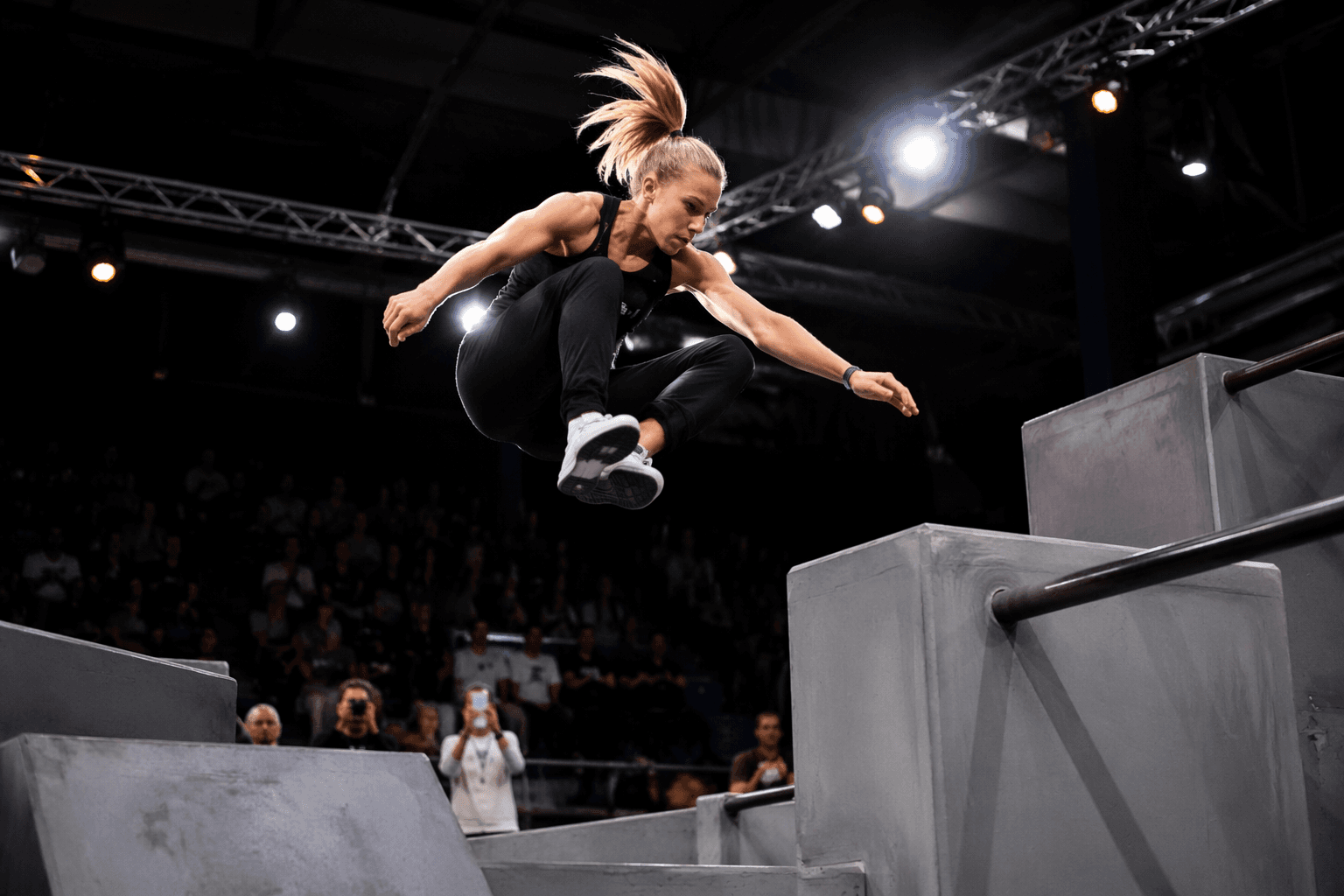
That event is not just a domestic title meet. Parkour UK says it will also serve as a selection event for the Parkour Earth World Championships, set for October 28-November 1, 2026, in the Czech Republic. That means the new categories will shape who advances into the international pathway as well as how domestic placings are decided.
The legal backdrop is the Equality Act 2010, which was up to date in force through June 22, 2026. A 2026 legal chapter on sport and UK law says section 195 allows sex-segregated sport for gender-affected activities where physical differences create an advantage, which helps explain why sports bodies are tightening category rules. Parkour UK’s governance pages also frame the policy within a wider push for transparency and accountability, while its 2024-2027 Diversity and Inclusion Action Plan says parkour is built on freedom of movement and places accessibility and inclusion at the center of the sport’s development.

Parkour UK has already been talking publicly about trans inclusion through a feature on Amy Harcourt, a 22-year-old practitioner from Manchester, who took part in a University of Brighton research study in July 2023. That longer conversation now has a formal competition structure behind it, and every affiliated meet will have to follow it.
This article was produced by Prism’s automated news system from verified source data, official records, and press releases, then run through automated quality and moderation checks before publishing. The system is built and supervised by the people who set the standards it runs under. Read our full AI policy.
Did this article answer your question?