AFP builds junior pickleball pipeline across Asia with coach certification
AFP is turning junior pickleball in Asia into a ladder, linking school play, coach certification, and a path from U12 to Dallas.
AFP is trying to do more than fill brackets. Its junior program is built as a repeatable pathway from school access and youth clinics to ranked competition, certified coaching, and international qualification, with U12, U14, and U16 players at the center of the model. That matters because a regional sport only becomes durable when the same age groups keep moving forward through the same steps, and AFP is now putting structure around that movement across 18 member countries and an estimated 70,000 players.
The junior ladder is the real story
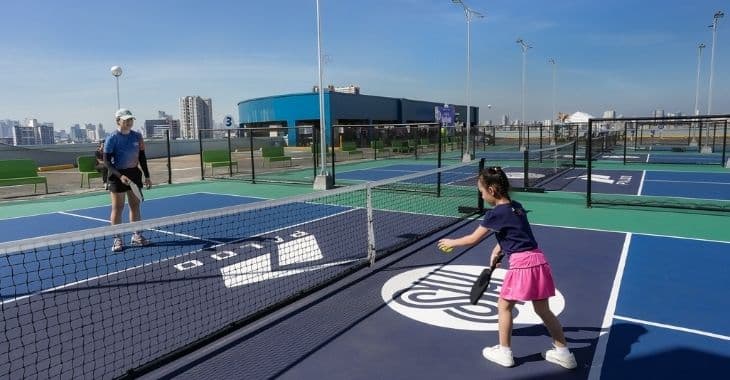
The strongest signal in AFP’s program design is its focus on progression rather than isolated events. The junior program is meant to identify, develop, and nurture young talent across Asia through school partnerships, youth clinics, and junior leagues, which gives the sport a base outside elite clubs and one-off tournaments. AFP says that pathway is supposed to move players from grassroots to competitive international play, and that framing gives junior pickleball a purpose beyond participation numbers.
That architecture is important because it solves a familiar problem in emerging sports: children may start playing quickly, but without age-grade competition and clear advancement standards, many stop when the novelty fades. AFP is trying to prevent that break in the pipeline by organizing the pathway around age bands, repeat competition, and a wider continental network that can keep players moving into stronger events as they mature.
Why coaching is the bottleneck AFP is targeting
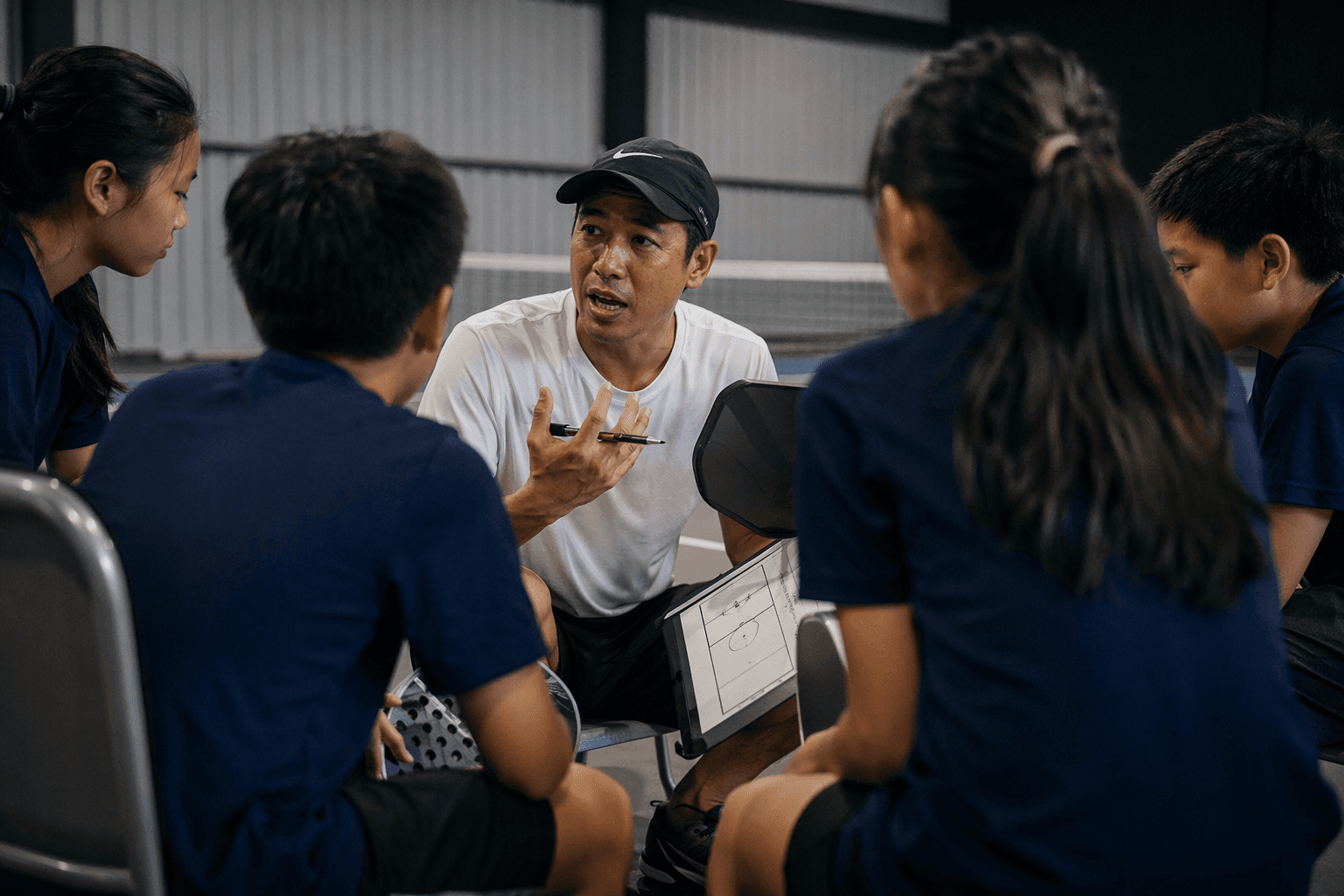
The most consequential move may be the coach pathway. AFP’s Asia Junior High Performance Coach certification is a 3-day intensive course aimed at coaches working with intermediate and advanced junior athletes, and AFP positions it as an advanced qualification for people preparing competitive junior players across Asia. That is a strong signal that the organization sees coaching as the lever that determines whether junior participation becomes elite development.
The certification is built around three assessment areas: written knowledge, playing and demonstrating skills, and teaching abilities. AFP also identifies PPR and IPTPA as its official education and certification partners, which gives the pathway a broader technical framework instead of leaving instruction to informal volunteer systems. Eligibility is specific too: candidates must be at least 18, should hold AFP, PPR, or IPTPA Level 1 certification, and need a minimum DUPR rating of 3.5, along with written, playing-ability, and group-lesson assessments. That combination shows AFP is setting standards for the adults around the players, not just the players themselves.
Competition is being tied to advancement
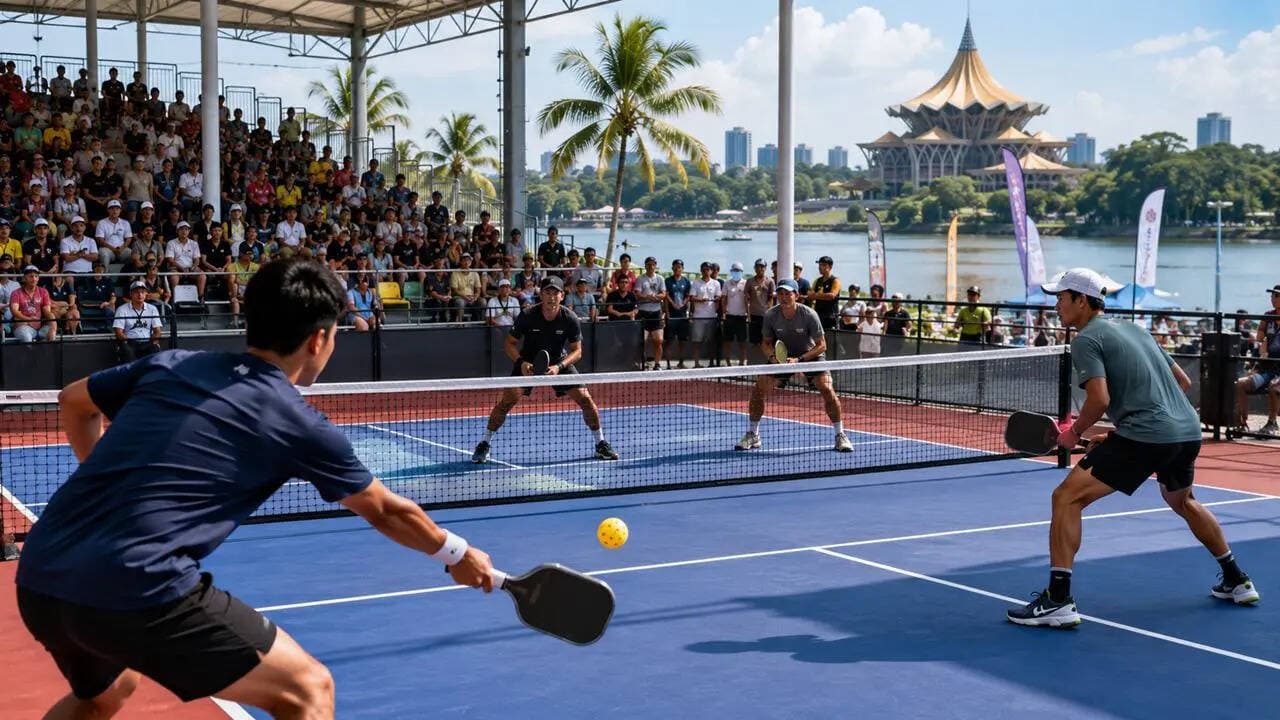
AFP’s junior calendar gives the pathway visible checkpoints. The 2026 Asia Pickleball Junior Open is scheduled for July 28 to 30 at Mahidol University in Thailand, with U12, U14, U16, and U18 divisions and boys’ and girls’ singles and doubles. Immediately after that, AFP’s Asia Pickleball University Championship is set for July 31 to August 3, creating a week-long progression that connects junior play to the university level on the same campus.
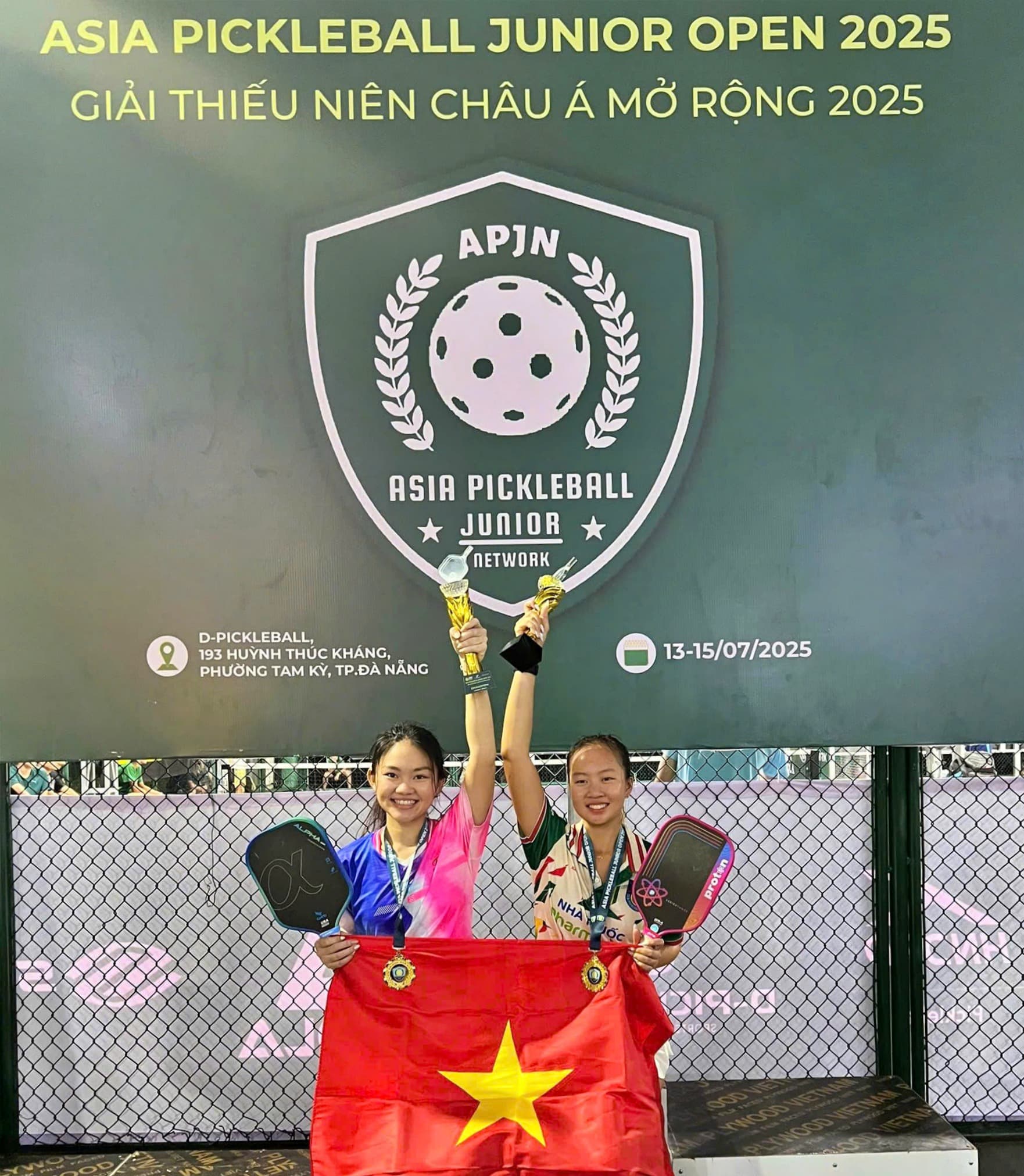
The event structure is not just about medals. AFP says medalists from the Junior Open can earn Golden Tickets into the Pickleball World Championships in Dallas, which gives the junior bracket real international stakes. AFP’s junior camp page adds another layer with a 2-day Asia Junior High Performance Pickleball Camp at Mahidol University from July 31 to August 1 for ages 10 to 18. That means the tournament, camp, and university championship are not separate ideas. They form a single development ladder from entry age to elite exposure.
The registration numbers suggest the ladder already has traction. Pickleballtournaments.com listed 138 players registered for the 2026 Asia Pickleball Junior Open, with a $40 entry fee. Those details matter because they show the event is not merely symbolic. It is drawing enough demand to operate as a regional benchmark, not just a local youth gathering.
A growing record of scale and continuity
The 2026 build-out comes after AFP described the 2025 Junior Open as a landmark in Asian pickleball history. That momentum also sits on top of the inaugural 2024 Asia Pickleball Junior Open, which drew more than 120 young players from Vietnam, India, Malaysia, Taiwan, and Japan. The geography of that first field matters as much as the number. It shows the junior format was never meant to be a single-country showcase; from the start it had the footprint of a regional system.
AFP is now pushing that system further by identifying and empowering junior coaches across Asia, launching AFP-endorsed junior camps and training series, and introducing an AFP Junior Ranking System to track competitive performance across the region. Those additions are exactly what a real development pathway needs: rankings for competitive context, camps for training volume, and coach education so the same standards can spread across markets.
National federations are starting to act like the pathway matters
Japan’s federation has already treated AFP’s junior event as a selection issue, not just a tournament listing. Its 2026 notice for the AFP Junior Open set U12 to U18 eligibility, opened two tracks called Team Japan and Team Japan Rising, and said around 20 players were expected to be selected. The selection process required a doubles-play video of at least three minutes, and the federation said Team Japan players could receive support such as airfare and lodging, while Team Japan Rising would be largely self-funded.
That is a meaningful shift. Once a national federation starts connecting junior participation to team identity, travel support, and selection standards, the event stops being a side activity and becomes part of the country’s player pathway. It also shows how AFP’s framework can influence budgets and talent identification, not just event calendars. In practical terms, the junior ladder is beginning to reach the people who decide where players train, compete, and spend money.
What this means for Asia’s pickleball future
AFP’s model is notable because it links the pieces that usually fail separately: school entry, coach education, age-grade competition, and a route into university and world-stage play. With 18 member countries, 70,000 estimated players, a 3-day coach certification, a 2-day junior camp, and a tournament system spanning U12 through U18, AFP is building an infrastructure story, not a promotional one.
That is the difference between participation and permanence. A sport becomes consequential when players can see the next rung, coaches know the standard, and federations can measure progress the same way across borders. AFP is trying to make junior pickleball in Asia behave like that, and the 2026 calendar suggests the ladder is no longer theoretical.
This article was produced by Prism’s automated news system from verified source data, official records, and press releases, then run through automated quality and moderation checks before publishing. The system is built and supervised by the people who set the standards it runs under. Read our full AI policy.
Did this article answer your question?