Anna Leigh Waters’ soccer instincts reveal pickleball edge
Waters’ soccer habits show Asia’s junior coaches where to start: teach footwork, spacing, and early reads before chasing power.
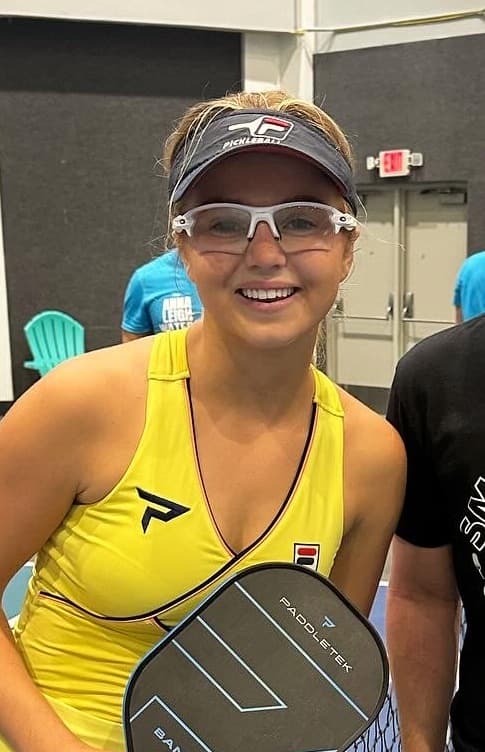
At 19, Anna Leigh Waters is already a tour pro who turned professional in 2019, became the youngest professional player and champion in pickleball history at 12, and has stacked up 181 gold medals and 39 triple crowns. Asia’s junior pipeline can teach players to win points the way she does: by arriving early, reading space before it opens, and taking away options before an opponent realizes they are there.
Soccer first, pickleball second
Waters has said she grew up playing many sports, including soccer, and that at recess she played soccer with the boys. Soccer trains the exact habits that separate a reactive player from a dangerous one: scanning for danger, anticipating movement, and stepping into the next space before the ball arrives. In pickleball, those habits show up in the split-second decisions that shape every rally, from where to stand to when to reset to when to attack.
Her path also shows how early environment can shape a sporting career. Waters said her family moved from North Carolina to Florida when she was eight so she could get better access to training opportunities. She also said she played about four years of tennis before pickleball, and that tennis helped her with strokes and shot selection without locking her into habits that did not fit the new game.
What her game teaches junior coaches
The point is usually decided long before the final winner. Her edge starts with footwork, spacing, and tempo control, which lets her remove the easy shot from an opponent’s menu and force a tougher one.
A practical coaching structure can be built around three habits:
- Arrive early. Players should learn to move before the ball settles, not after. Soccer-trained anticipation helps a junior player reach a dink exchange balanced, not scrambled.
- Own the space. Coaching should emphasize where a player stands between the kitchen line, the middle, and the sidelines. The point is not just to hit the ball, but to close off the court.
- See the next chance. Good players reset when they need to and attack when the window opens. That timing, not raw pace, is what keeps rallies under control.
Waters’ story also shows why multi-sport backgrounds are not a detour. In 2020, she was considering a professional soccer opportunity in Germany, but COVID-19 ended that path and pushed her toward pickleball instead.
How Asia can copy the model now
Asia’s pickleball growth is large enough to support a more deliberate junior system. UPA Asia and YouGov Singapore’s research found that 1.9 billion people across 12 Asian territories had heard of pickleball, 812 million had played at least once, and 282 million were playing at least once a month. In the same research, growth was up 60% year over year, and 62% of respondents said they had learned about pickleball within the last two years.
For academies, school programs, and parents, that creates a narrow but powerful window:
- Academies in Malaysia and Vietnam can recruit from soccer as much as from tennis. In the research, 28% of players already had racket-sports experience, which means the rest are coming from elsewhere. Soccer players can learn pickleball spacing quickly because they already understand movement, pressure, and angles.
- School programs in places like Cebu and Seoul should build movement games before shot volume. A junior can learn court coverage through small-sided games, cone-based footwork, and transition drills that reward arriving early rather than swinging harder.
- Parents should value multi-sport childhoods. Waters’ development path shows the value of soccer, tennis, and broad athletic exposure. Early specialization can produce a decent hitter, but not always a player who can see the game before it happens.
Malaysia’s awareness rose 132% in 2024 versus 2023, while Vietnam’s rose 152%. India had more than 178 million frequent players, China more than 60 million, and Vietnam more than 16 million.
Why the game becomes easier to follow
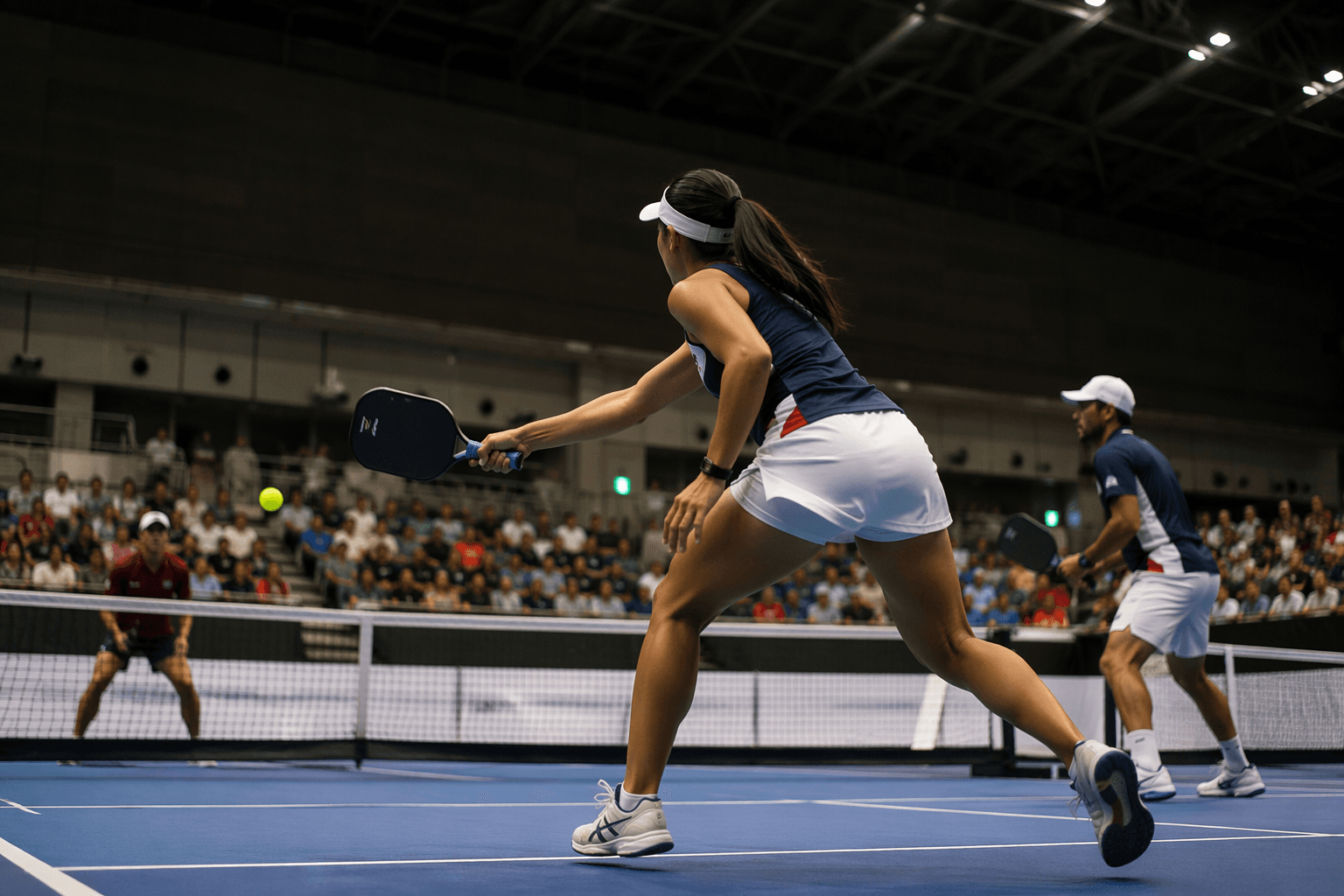
In markets like Cebu or Seoul, a clean point built on spacing and anticipation is easier to read than one that depends on frantic defense and a lucky winner at the end. Waters’ movement makes the logic visible. You can watch her take away a lane before the opponent sees it.
This article was produced by Prism’s automated news system from verified source data, official records, and press releases, then run through automated quality and moderation checks before publishing. The system is built and supervised by the people who set the standards it runs under. Read our full AI policy.
Did this article answer your question?