Asian Cities Adopt Practical Models to Expand Pickleball Courts in Dense Areas
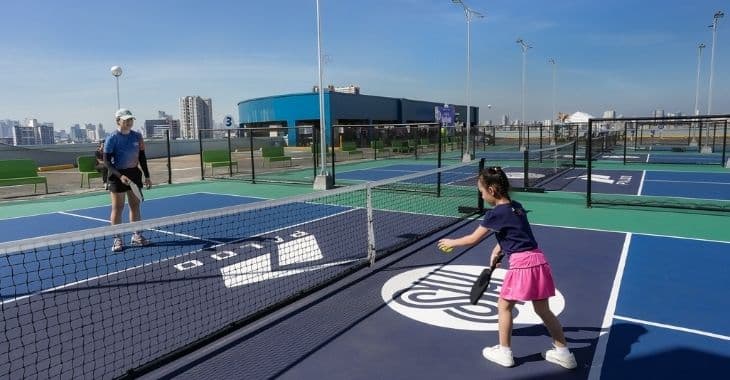
Asian cities are converting rooftops, parking decks and underused courts to add pickleball capacity, boosting access for players and easing strain on scarce urban space.
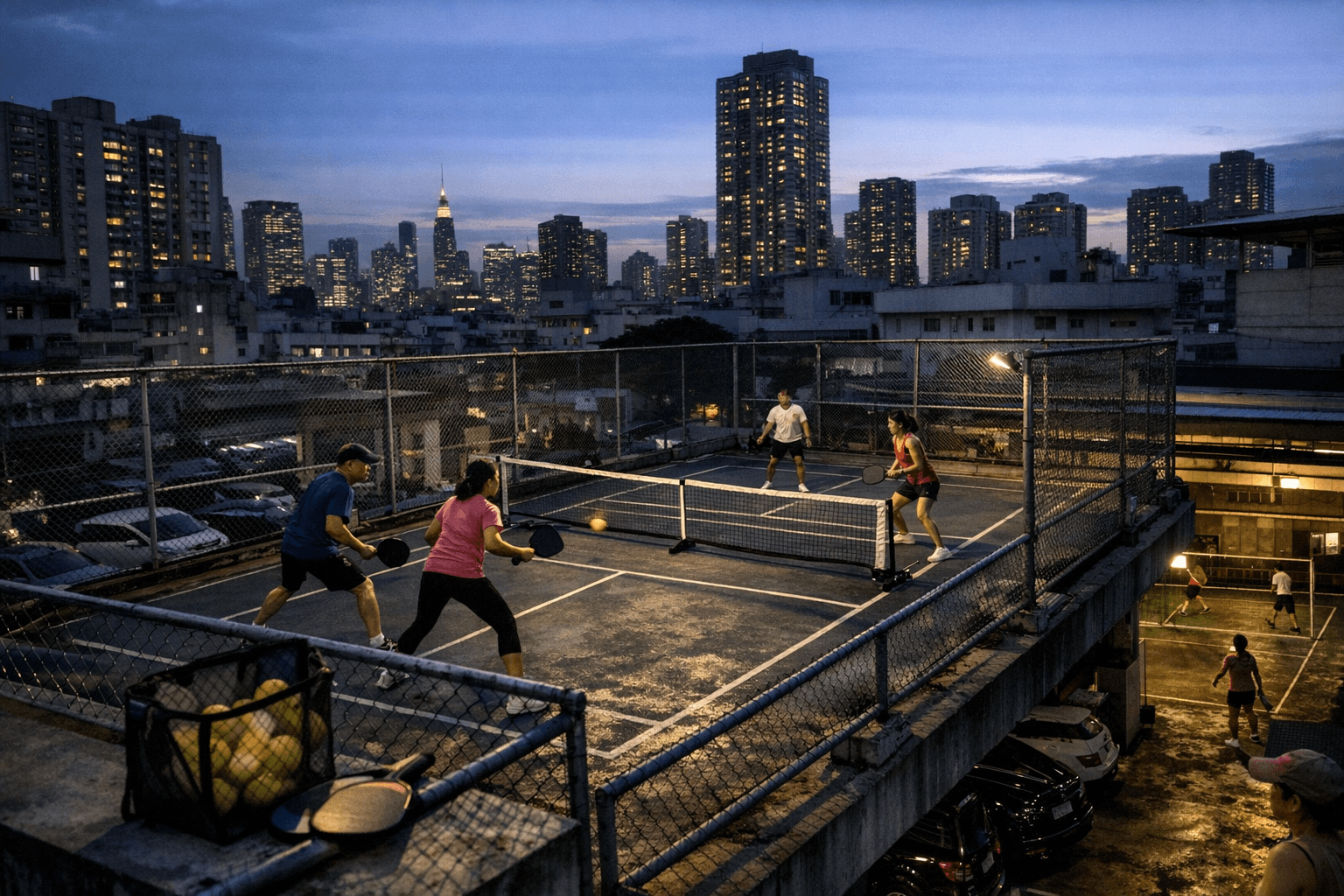
Rooftops, parking decks and multi-use courts are becoming the go-to playbook as Asian cities and operators race to meet booming demand for pickleball in dense urban areas. Municipal planners, private clubs and commercial operators are adopting practical, low-footprint models that increase court capacity without requiring large new land parcels.
The immediate result is more available court hours and flexible scheduling for casual players and competitive squads. By converting existing tennis courts into multiple smaller courts, clubs can host more matches and practice sessions, allowing doubles-focused players to refine dinking exchanges and third-shot drops during peak evening blocks. Pop-up courts in parking lots and modular surfaces on rooftops extend play into previously underused vertical space, while LED lighting and gated scheduling systems make night play predictable and safe.
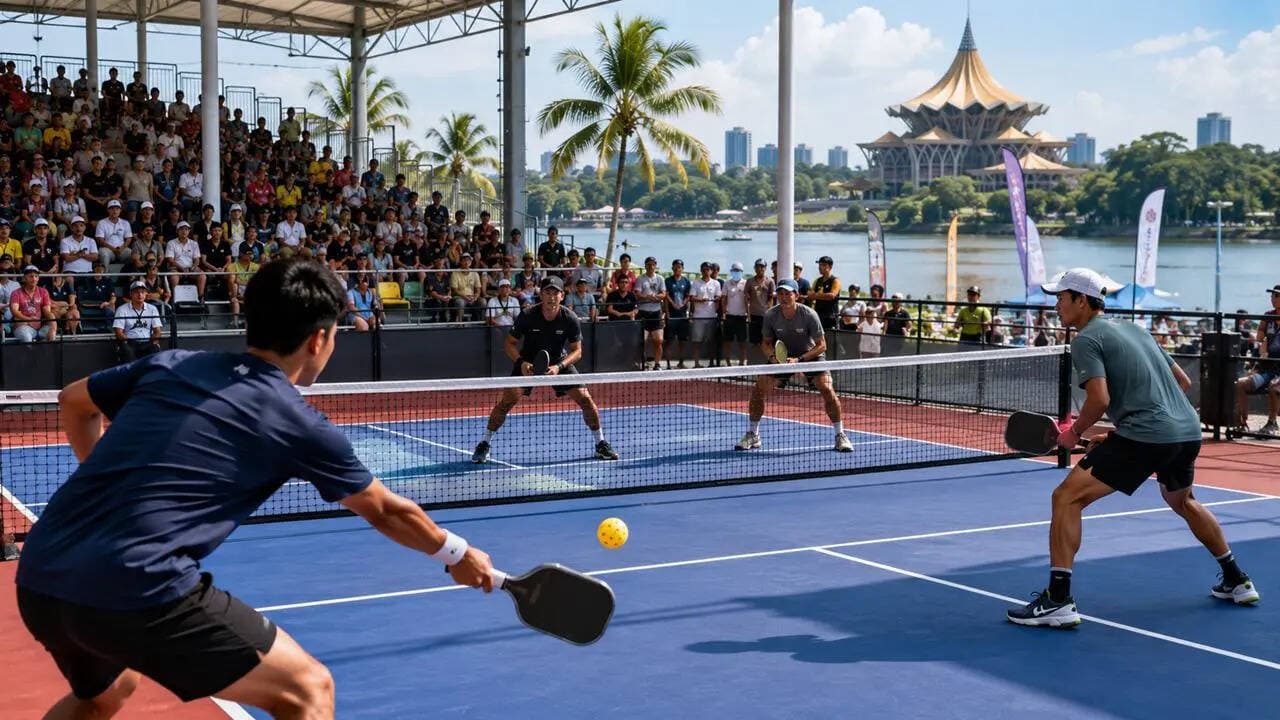
These adaptations carry clear performance implications. Increased court access shortens wait times for drills and match play, letting aspiring competitive players log repetitions in serves, volley resets and transition footwork that are vital to raising regional standards. For coaches, the ability to run simultaneous drills across adjacent courts makes technical sessions more efficient, and for clubs the expanded capacity supports league play and talent identification without major capital outlay.
The business case is compelling. Pay-to-play models and tiered memberships let commercial operators monetize high-demand hours while keeping daytime community access affordable. Public-private partnerships reduce construction burdens on city budgets by leveraging operators for staffing, maintenance and bookings. Modular court panels and retractable nets keep installations reversible, which helps cities trial pickleball without committing permanent land use.
Culturally, these models respond to pickleball’s cross-generational appeal and low barrier to entry. Shorter games, social doubles and accessible court sizes attract older adults, office workers and youth programs, broadening the player base and creating new revenue streams for local sports economies. Nighttime leagues and social mixers are revitalizing underused urban rooftops into local hubs where casual players and aspiring competitors collide.
There are social trade-offs to manage. Noise mitigation, equitable scheduling between neighborhood users and competitive leagues, and safe circulation around parking-deck courts all require clear municipal rules and operator buy-in. When those details are handled, the payoff includes public health benefits, new job opportunities in coaching and operations, and stronger local competition ladders.
For players, planners and operators, the path forward is practical and proven in recent Asian examples: use existing assets, prioritize reversible and low-cost installations, and structure access so community play and competitive development coexist. Expect more tournaments, denser evening schedules and faster skill progression as cities continue to roll out these pragmatic court models.
This article was produced by Prism’s automated news system from verified source data, official records, and press releases, then run through automated quality and moderation checks before publishing. The system is built and supervised by the people who set the standards it runs under. Read our full AI policy.
Did this article answer your question?