Asian Cities Guide: Building Dedicated Pickleball Sites From Courts to Events
Pickleball across Asia has crossed a threshold: cities and corporations are now building dedicated facilities, and getting the planning right from day one changes everything.
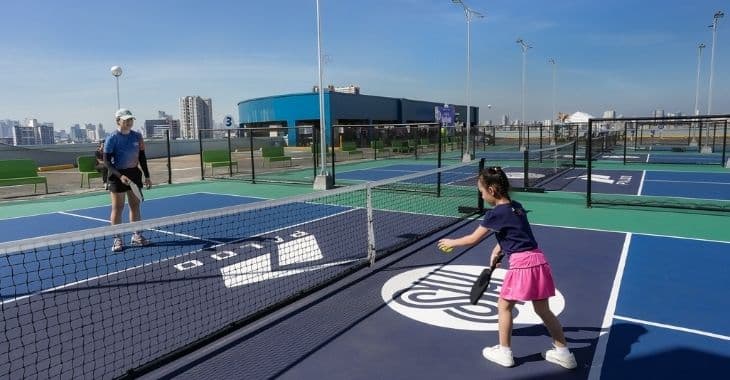
Pickleball's trajectory across Asia has moved well beyond weekend pickup games on repurposed tennis courts. The sport has shifted from small grassroots play to organised, often municipal-level investment, and that transition brings a new set of decisions for anyone holding a clipboard and a building permit. Community centres, schools, private clubs, corporations, and real-estate operators are all weighing the same fundamental question: what does it actually take to build a dedicated pickleball site that works, grows, and lasts?
Singapore sits at the sharpest edge of this regional trend. As reported by Channel News Asia and Business Times, "the buzz is undeniable. Pickleball is no longer just for retirees; it's attracting younger demographics eager for a fun, engaging, and social sport." That demographic broadening is precisely what makes the investment calculus compelling in 2025 and beyond. When a facility can serve a 19-year-old university student and a 60-year-old retiree in the same afternoon session, utilisation rates justify serious capital commitment.
Why Dedicated Sites Beat Multi-Use Workarounds
Shared or converted spaces have carried the sport this far, but they create friction: court markings conflict with other sports, scheduling competes with badminton and basketball programmes, and the playing surface is rarely optimised for pickleball's specific demands. A purpose-built site eliminates those compromises. It signals permanence to players, which drives membership and repeat bookings, and it allows facility managers to control every variable from surface grip to noise containment from the outset.
Getting the Location Right
Before a single court is measured out, site selection determines whether a facility thrives or struggles. The question is never simply "do we have space?" Several interconnected factors shape whether that space will actually attract and retain players.
Accessibility is the first filter. Ask how easily players can reach the location via public transport or car, and whether there is adequate parking. In dense Asian cities where car ownership varies widely, proximity to an MRT station or bus interchange can be as valuable as any premium surface material.
Visibility matters more than most developers expect. Courts that can be seen from a main road or a park pathway act as passive marketing: curious passers-by become first-time players, and first-time players become regulars. A facility tucked behind a loading dock, however well-built, will work harder to fill its courts.
Target audience definition shapes everything downstream. Catering to a specific school community produces different site requirements than serving the general public or a private club membership. A school installation integrated into grounds can share existing changing rooms and administrative oversight. A commercial space targeting corporate wellness programmes needs proximity to office clusters and flexible booking windows that accommodate lunch-hour play. Identifying the primary audience before selecting the site prevents expensive mismatches between location and demand.
Noise considerations deserve serious weight in Asia's densely populated urban environments. Pickleball generates a distinctive paddle-on-ball sound that carries further than many developers anticipate. Ensuring the location minimises potential disturbance to neighbours is not merely courteous; in cities with strict environmental regulations, it is a planning prerequisite. Acoustic buffers, strategic positioning relative to residential blocks, and hours-of-operation policies all flow from choosing the right site in the first place.
Surfaces: The Decision That Defines the Playing Experience
Once a site is chosen, the playing surface becomes the most consequential technical decision. Surface choice affects player safety, ball bounce consistency, maintenance requirements, and the long-term economics of the facility.
Innovative solutions like high-quality roll floors, offered by specialists such as Pickleball Court Co, have emerged as a compelling option for Asian facilities. Roll floors offer practical advantages in contexts where permanent installation may not be feasible or where a facility wants flexibility to reconfigure court layouts over time. They can be installed over existing hard surfaces, reducing civil works costs, and they provide the consistent, cushioned playing experience that dedicated pickleball play demands. For operators considering phased development, a roll-floor installation can validate demand before committing to more permanent infrastructure.
Court Layout and Dimensions
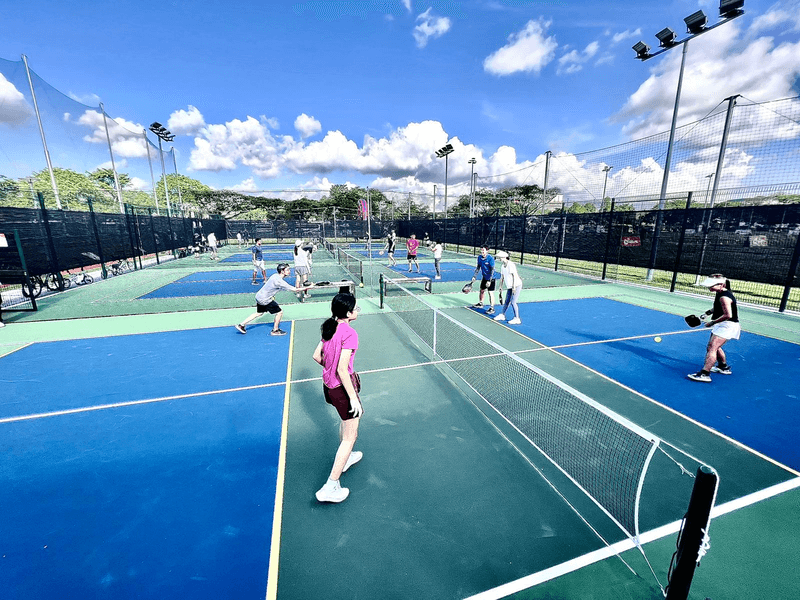
Court layout planning must account for more than the playing area itself. Official court dimensions and the run-off space around each court determine how many courts can safely fit within a given footprint, and that number directly sets the facility's capacity: how many players it can serve simultaneously, how many sessions it can run per day, and ultimately what revenue or community participation model is viable.
Multi-court layouts introduce additional considerations around orientation (minimising sun glare during peak hours), fencing to contain balls and reduce court-to-court interference, and net placement. Spacing between adjacent courts matters as much as the courts themselves; compressed layouts that save square footage often create safety hazards and reduce the quality of play.
Insurance and Scheduling: The Operational Foundation
Physical infrastructure without sound operational planning produces a facility that opens well and then struggles. Insurance is a non-negotiable element from day one. A dedicated pickleball site carries liability exposure from player injuries, equipment damage, and public access, and the appropriate coverage must be secured before the first session is advertised. The specific policy types, coverage limits, and vendors appropriate for Singapore and other Asian markets will vary by jurisdiction, but treating insurance as an afterthought rather than a planning input creates real risk.
Scheduling, while seemingly administrative, is where a facility's community value is actually delivered. A well-structured scheduling model balances open play (which builds community and attracts new players), programmed lessons (which generate coaching revenue and accelerate player development), and reserved court time for events and tournaments. Getting that balance right from opening day prevents the common failure mode where a facility is perpetually overbooked for casual play and perpetually empty during structured programming slots.
Running Events: Building a Scene, Not Just a Schedule
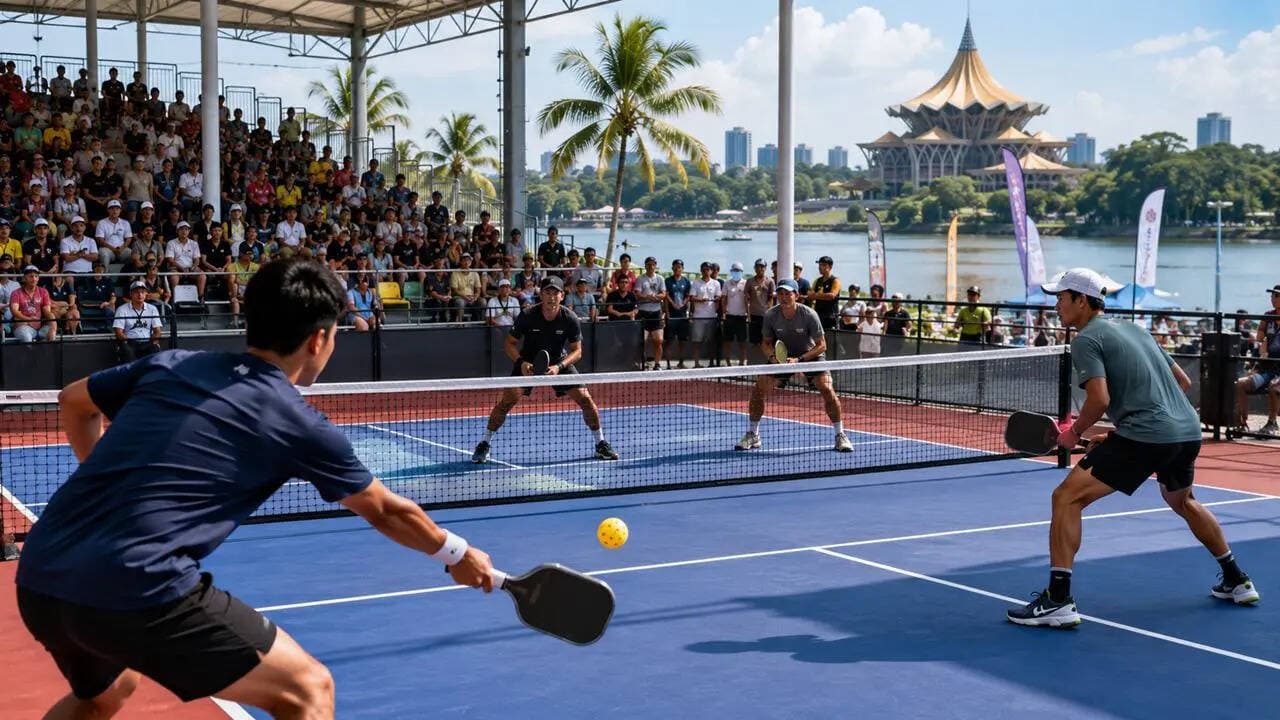
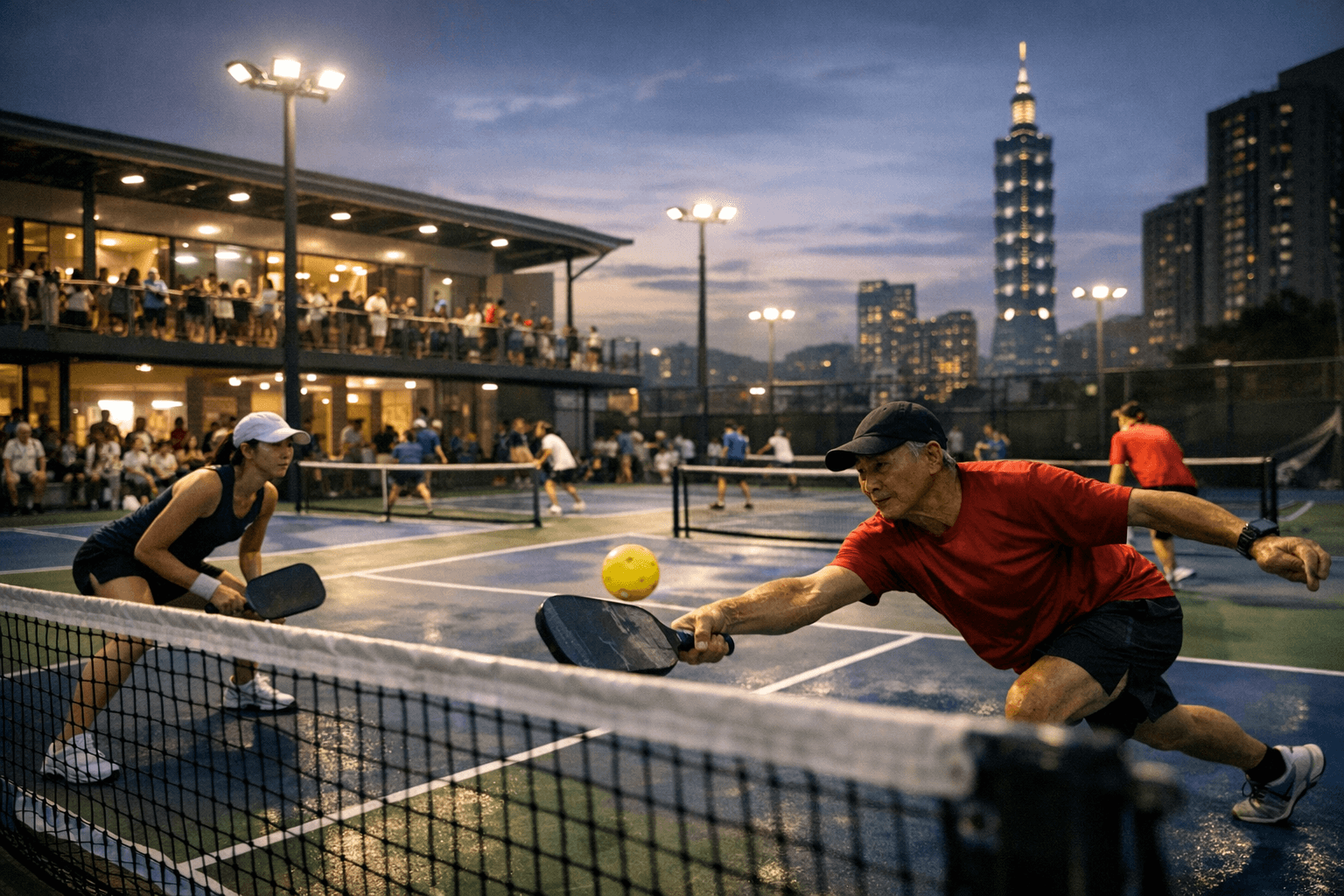
The article title includes "running events" for good reason: events are the mechanism through which a dedicated pickleball site becomes a hub rather than just a venue. Tournaments, social leagues, corporate challenge days, and beginner clinics each serve different functions. Tournaments generate prestige and attract regional players. Social leagues build weekly habit and drive consistent court usage across the calendar. Corporate events tap the wellness budgets of companies already identified as a core target audience.
Capacity planning for events requires thinking beyond the courts themselves. Spectator space, registration areas, warm-up zones, and basic hospitality infrastructure all factor into whether an event runs smoothly or frustrates participants. Facilities that design these elements into the original build, rather than retrofitting them later, consistently deliver better event experiences and build stronger reputations in their local pickleball community.
Building for the Long Term
Asia's pickleball boom is at an inflection point. Cities and operators that invest thoughtfully now, getting site selection, surface quality, court layout, insurance, and event infrastructure right from the beginning, will define what dedicated pickleball infrastructure looks like across the region. Those that rush to install courts without addressing noise, accessibility, or operational planning will find themselves managing complaints and underutilisation before the novelty wears off. The difference between a facility that becomes a community cornerstone and one that sits half-empty comes down to the decisions made before the first post is driven into the ground.
This article was produced by Prism’s automated news system from verified source data, official records, and press releases, then run through automated quality and moderation checks before publishing. The system is built and supervised by the people who set the standards it runs under. Read our full AI policy.
Did this article answer your question?