Asian Pickleball Boom Raises Injury Concerns, Experts Urge Strength Training
Asia's pickleball explosion is producing a parallel surge in overuse injuries, with one South Korean study finding 34.2% of players hurt within a single year.
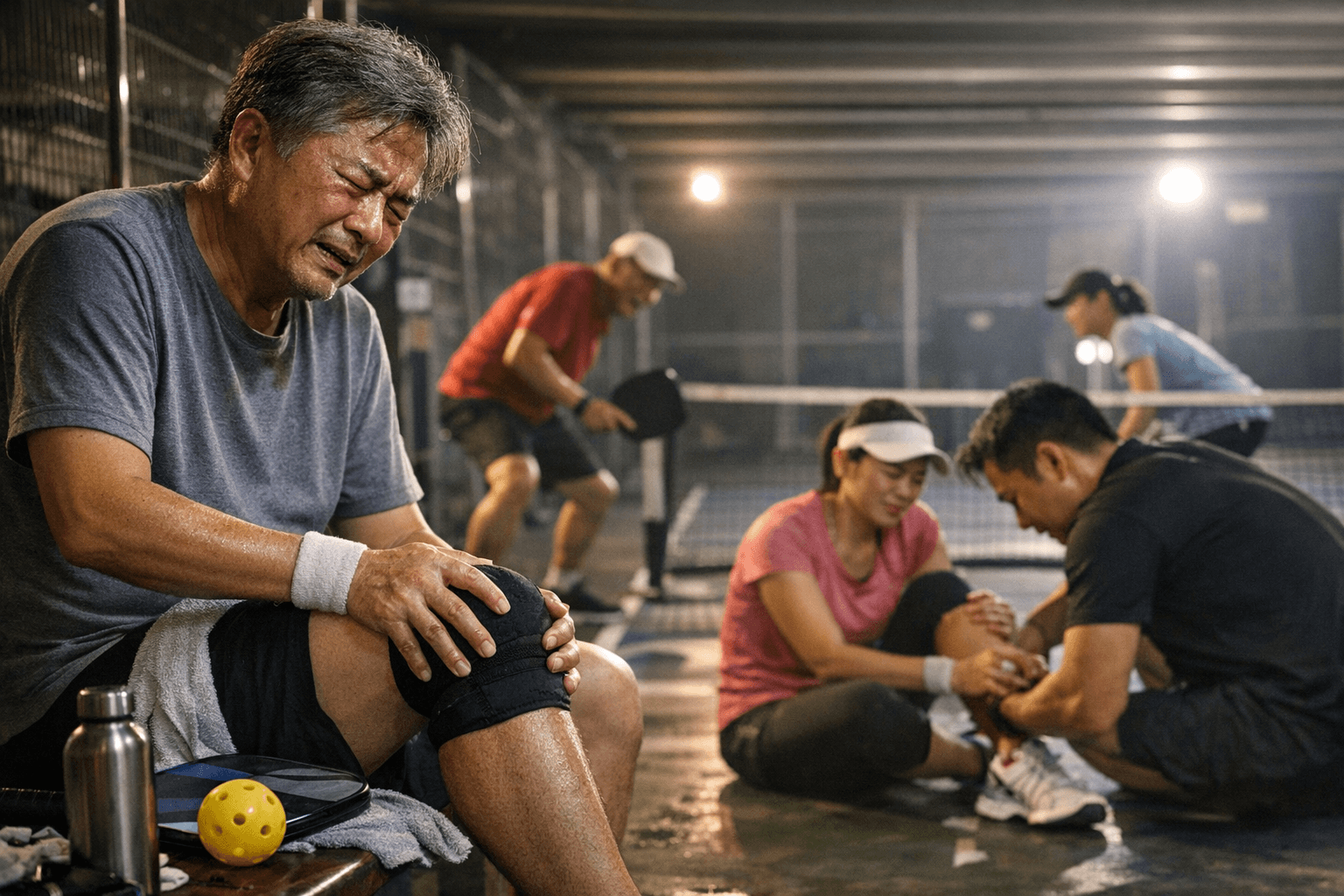
When Singaporean actor Datuk Aaron Aziz, 50, was hospitalized in March 2026 after a pickleball shot struck his left eye, the incident crystallized a concern growing as fast as the sport itself: Asia's pickleball boom is producing bodies that are not ready for what the game demands.
The timing is impossible to separate from the numbers. Across Asia, an estimated 282 million people now play pickleball at least once a month, with Malaysia registering a 132% growth rate and Vietnam close behind at 152% year-on-year awareness increase. In Malaysia alone, active player registrations in the DUPR rating system are projected to jump 410% through 2025, with clubs in Kuala Lumpur, Penang, and Johor Bahru expanding into structured leagues faster than many players can condition their bodies to compete in them.
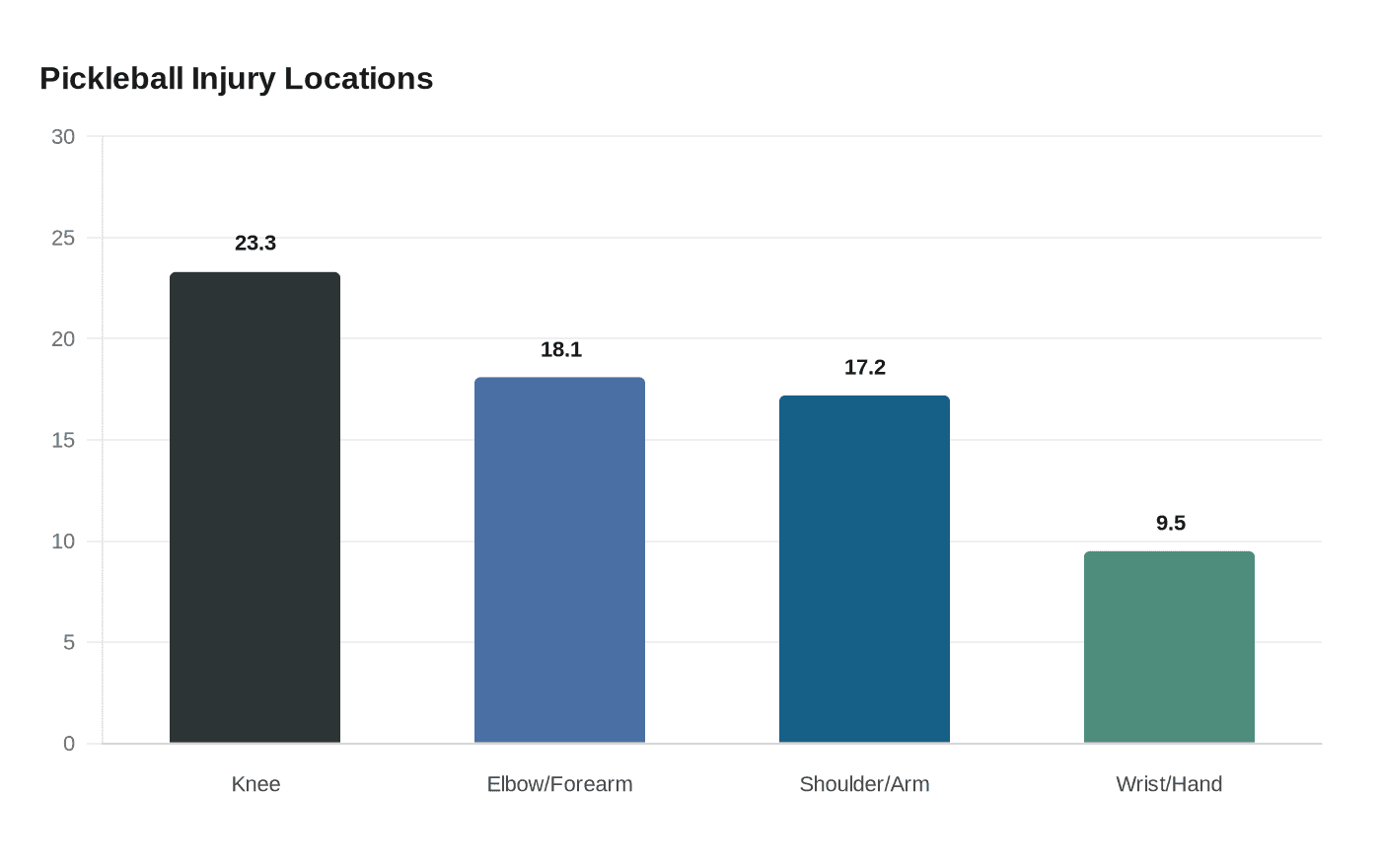
The injury data from South Korea offers the clearest regional picture available. A cross-sectional survey of 232 participants at the inaugural HEAD Korea Open Pickleball Championship in 2024 found that 34.2% had sustained at least one injury in the previous 12 months. Of those injured players, 78% reported overuse injuries, the kind that accumulate without a single dramatic moment. The most affected area was the knee, cited by 23.3% of injured players, followed by the elbow or forearm at 18.1% and the shoulder or upper arm at 17.2%. The wrist and hand accounted for another 9.5%. The average participant age was 50.5 years, reflecting the demographic reality of Asia's recreational pickleball scene, where middle-aged players often enter the sport after years away from structured athletic training.
The study's findings on skill level carry a direct message for the sport's newest converts: higher skill was significantly associated with lower injury risk. Players with better technical proficiency, particularly in movement patterns and stroke mechanics, showed fewer injuries, pointing to structured development programs as a prevention tool, not just a performance one.
The repetitive mechanics of the game create predictable stress points. Lateral epicondylitis, widely known as pickleball elbow, results from the repeated wrist extension required to drive shots, placing sustained load on the tendon where the extensor muscles attach to the outer elbow. Rotational movements during play similarly strain the lower back, while the sport's constant lateral footwork elevates ankle and knee exposure. In Singapore, facilities such as EZFIT have responded with medical-based training protocols specifically targeting these patterns, emphasizing that strength is the primary buffer against breakdown.
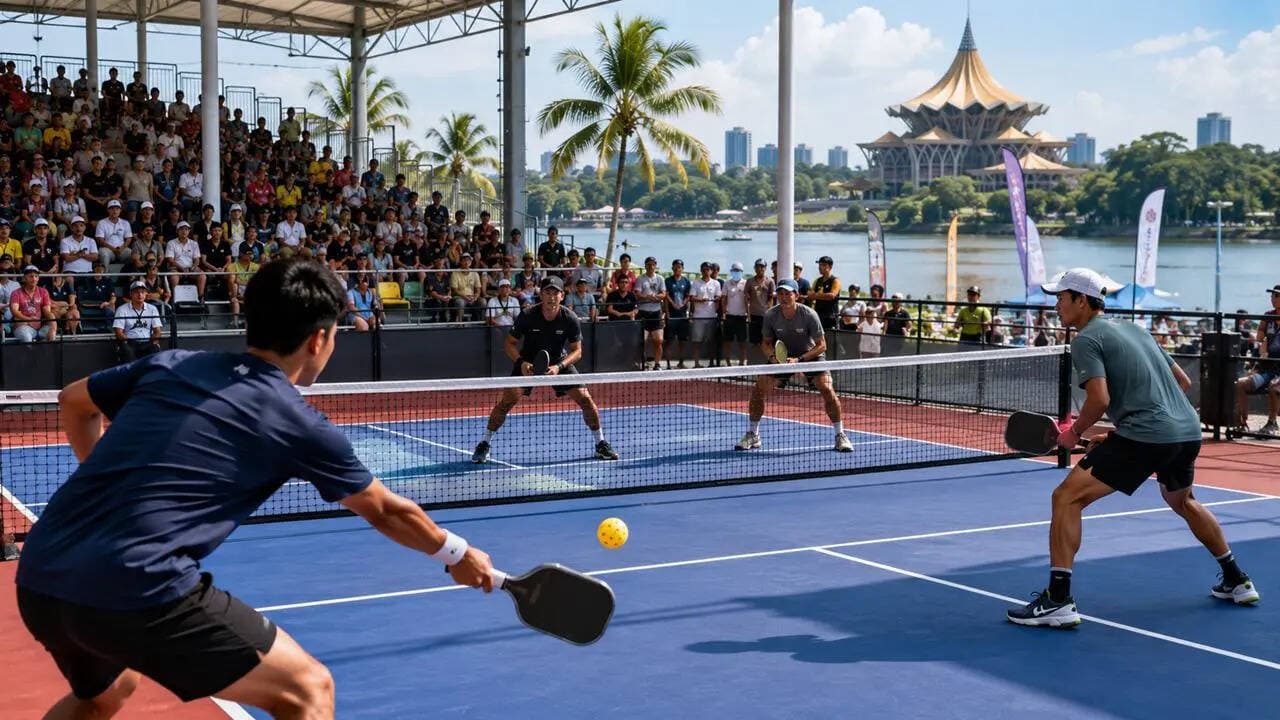
The sport's sheer pace of growth makes the conditioning gap more urgent. The World Pickleball Championship Asia Grand Slam 2025 brought more than 1,500 athletes from 20 countries to Malaysia, and the Inter-University Pickleball Showdown 2025 drew 144 participants from 14 Malaysian universities, signaling that the next wave of players is even younger. The International Federation of Pickleball now counts 78 member countries, double its membership from five years ago.
The South Korean study's recommendation is unambiguous: beginner and recreational players need injury prevention education built into skill development from day one, not as an afterthought after the first strain appears.
This article was produced by Prism’s automated news system from verified source data, official records, and press releases, then run through automated quality and moderation checks before publishing. The system is built and supervised by the people who set the standards it runs under. Read our full AI policy.
Did this article answer your question?