Asian Pickleball Paddle Buying Guide: Midweight Carbon, Club and Retail Tips
Midweight carbon paddles (220-235g) are the best all-round choice for most club players in Asia; retailers and clubs should stock varied grip sizes and USAPA-approved options for tournament demand.
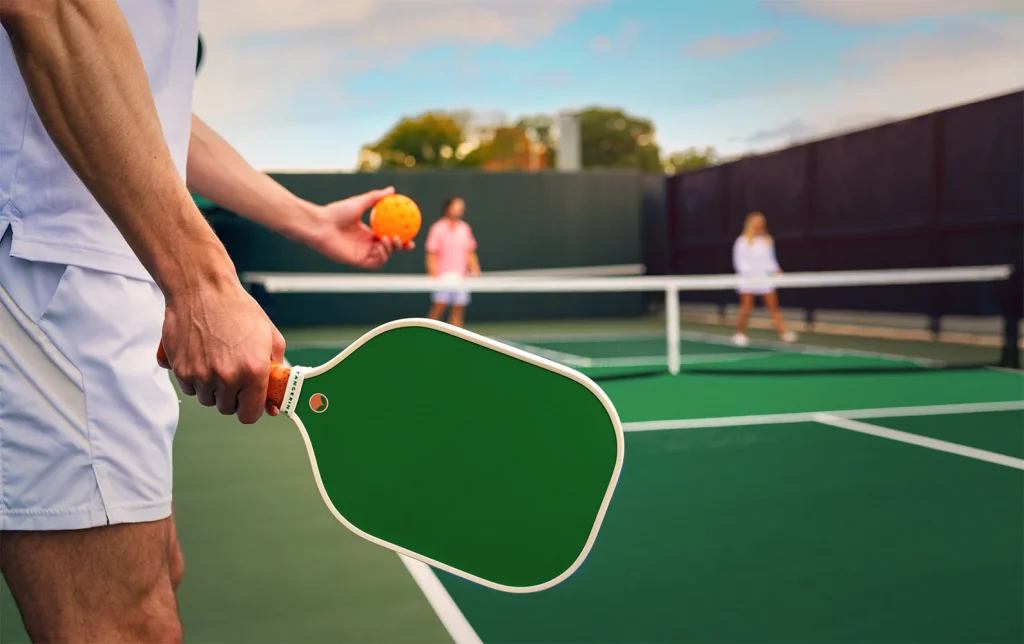
Midweight carbon paddles are emerging as the default purchase for Asian clubs and retailers because they deliver the balance most players need between control and power. A midweight range of 220-235g minimizes fatigue on long sessions while preserving enough mass for pop on drives and effective third-shot drops, making these paddles the workhorse for regular club play.
Weight remains the primary selection axis. Light paddles at 200-220g favor maneuverability and rapid reaction at the net, useful for aggressive doubles and quick dink exchanges, but they sacrifice some drive power. Heavy paddles above 235g add raw power but increase strain and slow recovery on fast exchanges. For most players at club level, the midweight sweet spot lets players execute corner volleys, baseline drives and controlled third-shot drops without overcommitting to one tradeoff.
Core and face materials shape feel and performance. Polymer honeycomb cores provide quieter, more controlled play and are preferable in urban facilities with noise restrictions; Nomex cores offer a different, firmer pop favored by power-oriented players. Carbon fibre faces are recommended for durability and spin generation, giving consistent edge-to-edge response for hitters who rely on topspin and slice. Foam-core and soft-surface paddles are practical inventory choices where local courts enforce noise limits; they reduce slap and community complaints without compromising basic performance.
Product tiers map to use cases. Entry-level, budget-friendly paddles are ideal for community centres and beginner clinics; many of these models prioritize value and are not always USAPA-certified. Mid-tier paddles deliver the best control-to-power balance and suit regular club players and league competitors. Premium signature models target advanced competitors seeking specific feel, edgeguard design and brand-led tech; these are appropriate for coaches and high-level players who can exploit marginal gains.
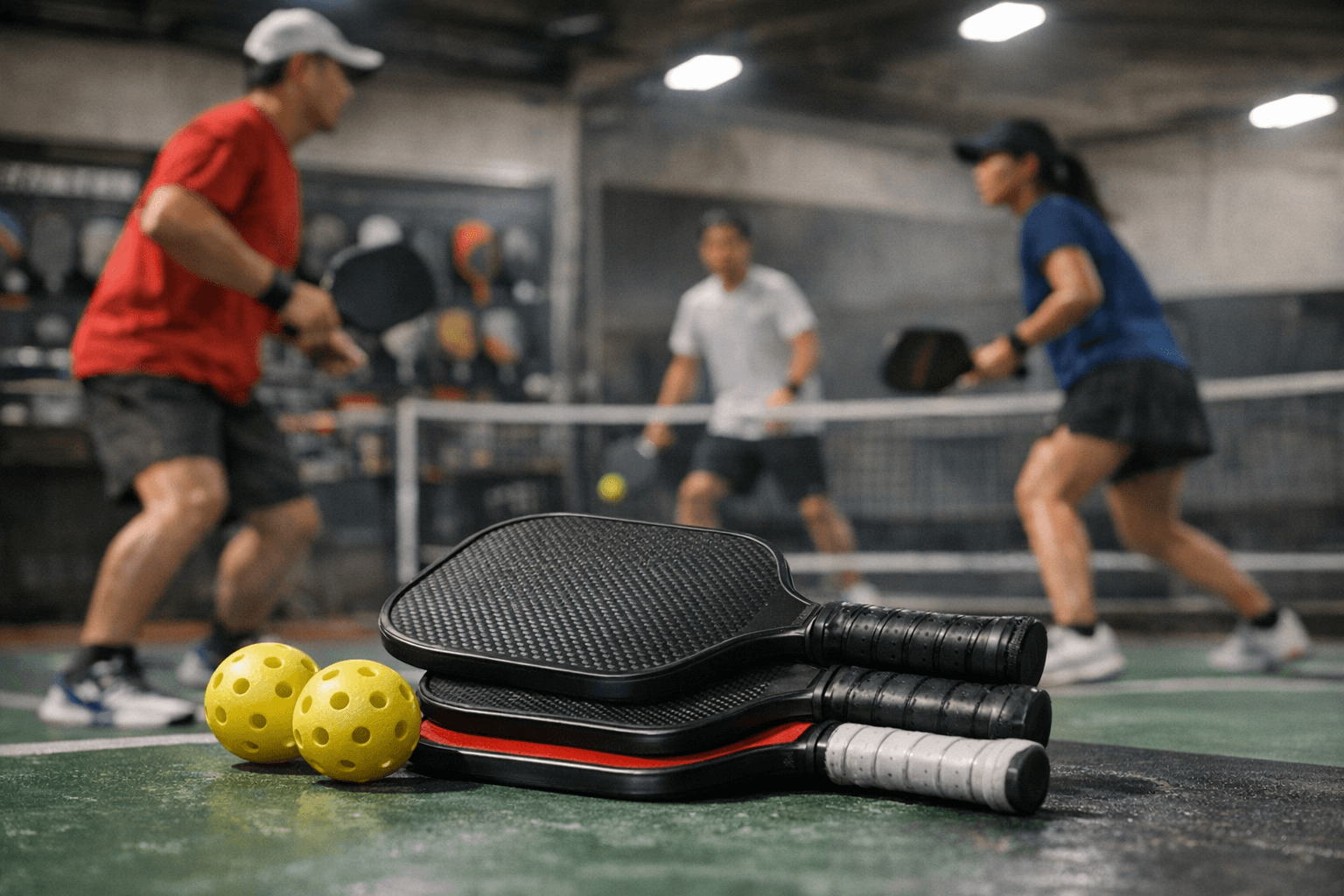
Retail and club stocking strategy should reflect Asian market realities. Stock multiple grip circumferences to accommodate smaller hand sizes and provide options for tape layering; include a selection of USAPA-approved paddles for tournament players and unapproved but durable budget models for walk-in community sessions. Pricing tiers should reflect durability, core type and certification to guide purchasing committees and retail customers.
Culturally, the paddle mix affects accessibility. Affordable mid-tier options broaden entry points for new players while premium models signal the sport’s professionalization in urban centres. Socially, quieter foam-core choices help keep urban courts viable in mixed-use residential areas.
What this means for players, coaches and retailers: prioritize midweight carbon paddles for club floors, maintain grip-size variety, and match core and face choices to local rules on noise and tournament standards. Stock decisions now will shape playability and participation as pickleball continues expanding across Asia.
This article was produced by Prism’s automated news system from verified source data, official records, and press releases, then run through automated quality and moderation checks before publishing. The system is built and supervised by the people who set the standards it runs under. Read our full AI policy.
Did this article answer your question?