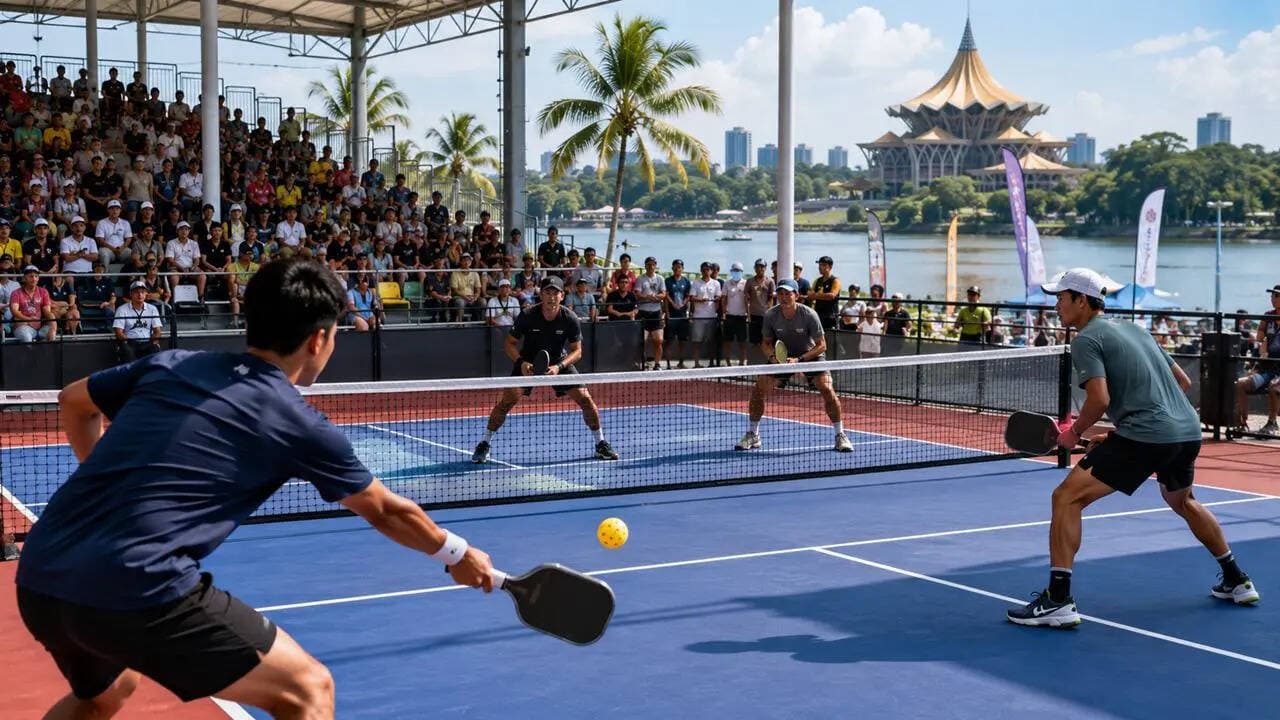
Asia’s 2026 paddle market shifts to foam cores and hybrids
Foam cores and hybrids are changing the buying rules in Asia, and the wrong paddle can still cost you more than it helps your game.
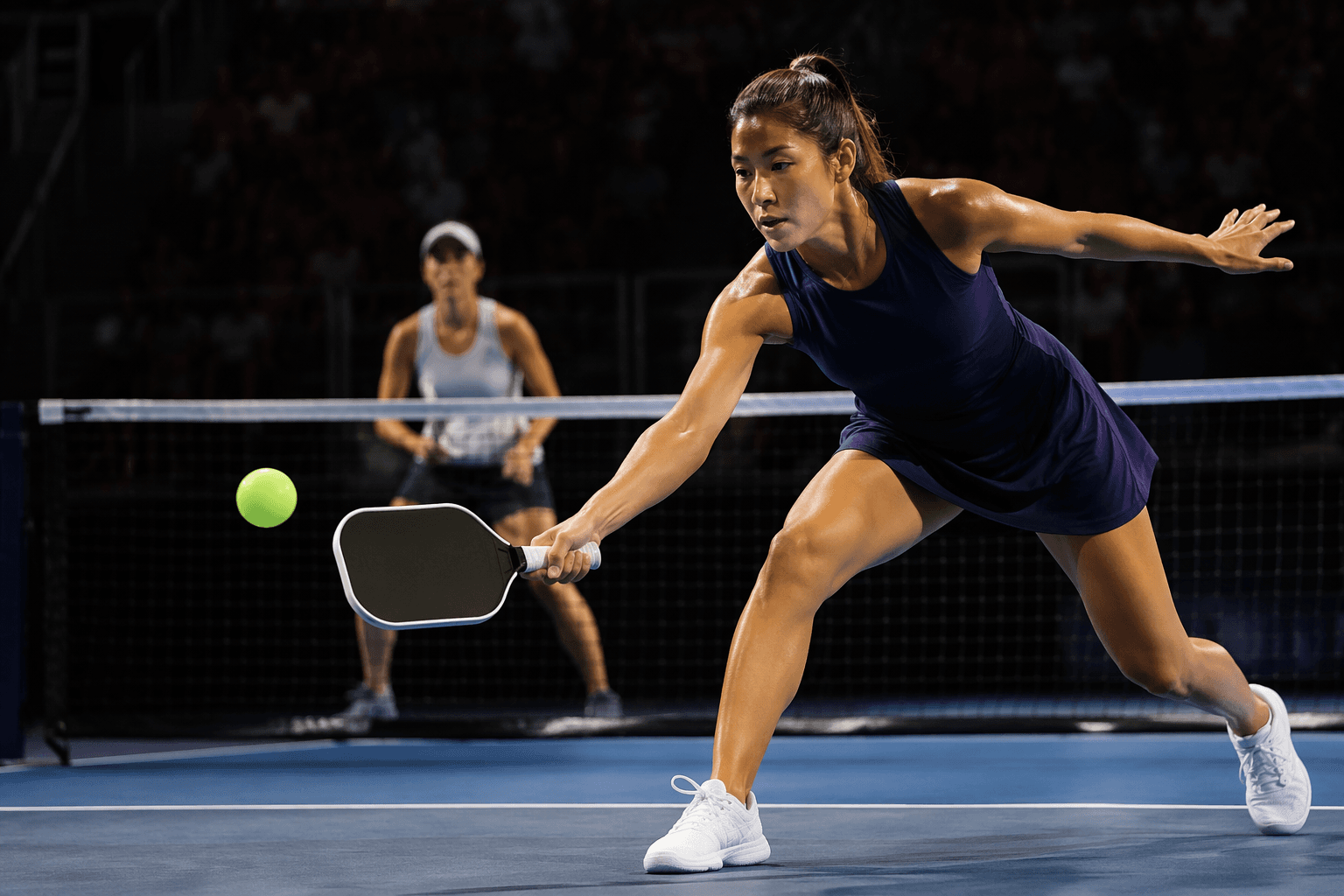
Asia’s paddle market is no longer a simple brand chase
The biggest mistake in Asia right now is buying a paddle like it is still 2023. Foam cores, Gen 4 builds, and thermoformed hybrids have changed the conversation, and the smart buy is no longer the flashiest one on the shelf. The market has matured fast enough that feel, weight, grip, surface behavior, and certification matter just as much as logo prestige.
That matters because the region is not dealing with a tiny niche anymore. UPA Asia and YouGov say about 1.9 billion people across 12 Asian territories have heard of pickleball, 812 million have played at least once, and 282 million play at least once a month. That is not a curiosity market. That is the kind of audience that forces paddle makers, retailers, and certification bodies to get more serious.
Why the 2026 buying framework changed
The old shortcut was simple: pick a popular brand, trust the marketing, and assume the best paddle was the most expensive one. That logic breaks down now. Foam-core paddles are increasingly framed as forgiving, with larger sweet spots, while hybrid builds are designed to blend power and control in ways that can suit one player far better than another.
That shift matters more in Asia than in markets where buyers can demo half a dozen paddles before spending. Many players in the region shop online or through limited local inventory, which means a bad fit is harder to fix. If you do not know whether you want more pop, softer touch, extra spin, or arm comfort, you can easily overpay for a paddle that looks advanced but plays wrong for your game.
Who should actually upgrade
Not every player needs to jump into the newest foam-core or Gen 4 release. If you are still learning to control depth, reset the ball, or keep your dink game stable, a forgiving paddle with a big sweet spot can help more than a high-end build that demands cleaner mechanics. The point is not to chase innovation for its own sake. The point is to buy the tool that makes your current game better.
For stronger players, the decision gets sharper. If your game depends on spin, touch, or fast hands at the kitchen, surface behavior and balance matter more than buzzwords. Selkirk’s LUXX Control Air with InfiniGrit, for example, is marketed as delivering 3x longer-lasting spin than raw carbon and uses EVA foam in the throat and handle. That is a real performance claim, not a vague style pitch. Selkirk’s Project 007 pushes a different angle, pairing InfiniGrit with a patent-pending titanium mesh layer system to add power and expand the sweet spot.
Certification is now part of the purchase decision
A few years ago, certification was the kind of detail most casual buyers ignored. That is no longer safe. USA Pickleball maintains an approved paddle list and an equipment standards manual, and it says submitted gear is reviewed for compliance with its standards. It also said its 2024 paddle certification updates were part of a phased transition developed with manufacturers, giving the industry and players time to adjust.
That transition matters because equipment standards are tightening while paddle design keeps evolving. USA Pickleball is also developing PBCoR testing to measure paddle-ball performance more quantitatively, which tells you where the sport is headed: less guesswork, more measurement. For Asian buyers, that means a paddle can look cutting-edge and still become a bad purchase if it creates uncertainty around legality, tournament use, or long-term compliance.
Availability by country is part of the price
Asia is not one paddle market. It is many. Malaysia and Vietnam were singled out by UPA Asia as among the fastest-growing markets in the research period, and that growth affects what shows up in stores, what ships quickly, and what gets stocked in depth. If you are shopping in a country where inventory is thin, the “best” paddle on paper may be the one you can actually replace, warranty, or resell.
This is where the market gets consumer-unfriendly if you are not careful. Limited local availability can push players toward online deals that look cheaper but carry hidden costs, such as weak return policies, slow shipping, or no chance to compare handles and swing weight. In a region where the sport is growing so quickly, the availability gap can matter as much as the sticker price.
The scale behind the buying boom
The paddle market is accelerating because the sport itself is. UPA Asia said the research across 12 Asian territories showed 60% year-over-year growth, based on at least 1,000 respondents per market and extrapolated to population size. That kind of growth does not just fill courts. It changes retail behavior, pushes brands to localize, and makes gear education more valuable.
The professional side is moving too. PPA Asia and MLP Asia were announced in November 2024 as part of UPA’s regional expansion, and PPA Tour Asia’s 2025 calendar included a China Slam with an estimated US$1 million prize purse plus stops in Malaysia, Hong Kong, and Japan. Once the pro ecosystem deepens, the amateur market follows. Players start asking what the pros use, retailers stock more segmented products, and paddle makers lean harder into performance claims.
What the U.S. market tells Asia
The United States still functions as the equipment bellwether, and the numbers there explain why paddle design has become so specialized. SFIA said 19.8 million Americans played pickleball in 2024, up 45.8% from 2023 and 311% from three years earlier. When a sport grows that fast, manufacturers stop selling a single “good paddle” and start selling different answers for different types of players.
That is why current buying guides are full of language about forgiving foam cores, control-oriented faces, spin retention, and arm comfort. It is also why buyers in Asia need to be more skeptical, not less. A paddle that looks premium is not automatically better. A paddle that fits your swing, your level, and your local market conditions is better.
A practical decision tree for Asian buyers
Before you buy, sort the decision in this order:
- Skill level: Beginners and improving intermediates should lean toward forgiveness and a larger sweet spot.
- Play style: If you win with control and resets, do not chase raw power just because it sounds modern.
- Feel and comfort: Weight, grip size, and handle balance can matter more than surface hype.
- Certification: Check whether the paddle is in the approved ecosystem if you plan to play sanctioned events.
- Availability: Buy what you can service, replace, and return in your country, not just what ships fastest from abroad.
That framework is the real 2026 upgrade. Asia’s pickleball market has crossed the point where buying gear is just about taste. It is about matching a fast-moving product category to a fast-growing sport, and if you get that wrong, you are not just spending more. You are buying the wrong paddle for the way the game is evolving.
This article was produced by Prism’s automated news system from verified source data, official records, and press releases, then run through automated quality and moderation checks before publishing. The system is built and supervised by the people who set the standards it runs under. Read our full AI policy.
Did this article answer your question?