Asia's Pickleball Boom Accelerates: Courts, Youth Programs, Leagues, Equipment Links
Asia's pickleball boom is expanding courts, youth programs and leagues across cities like Manila, Bangkok and Mumbai, reshaping grassroots play and the sport's business case.
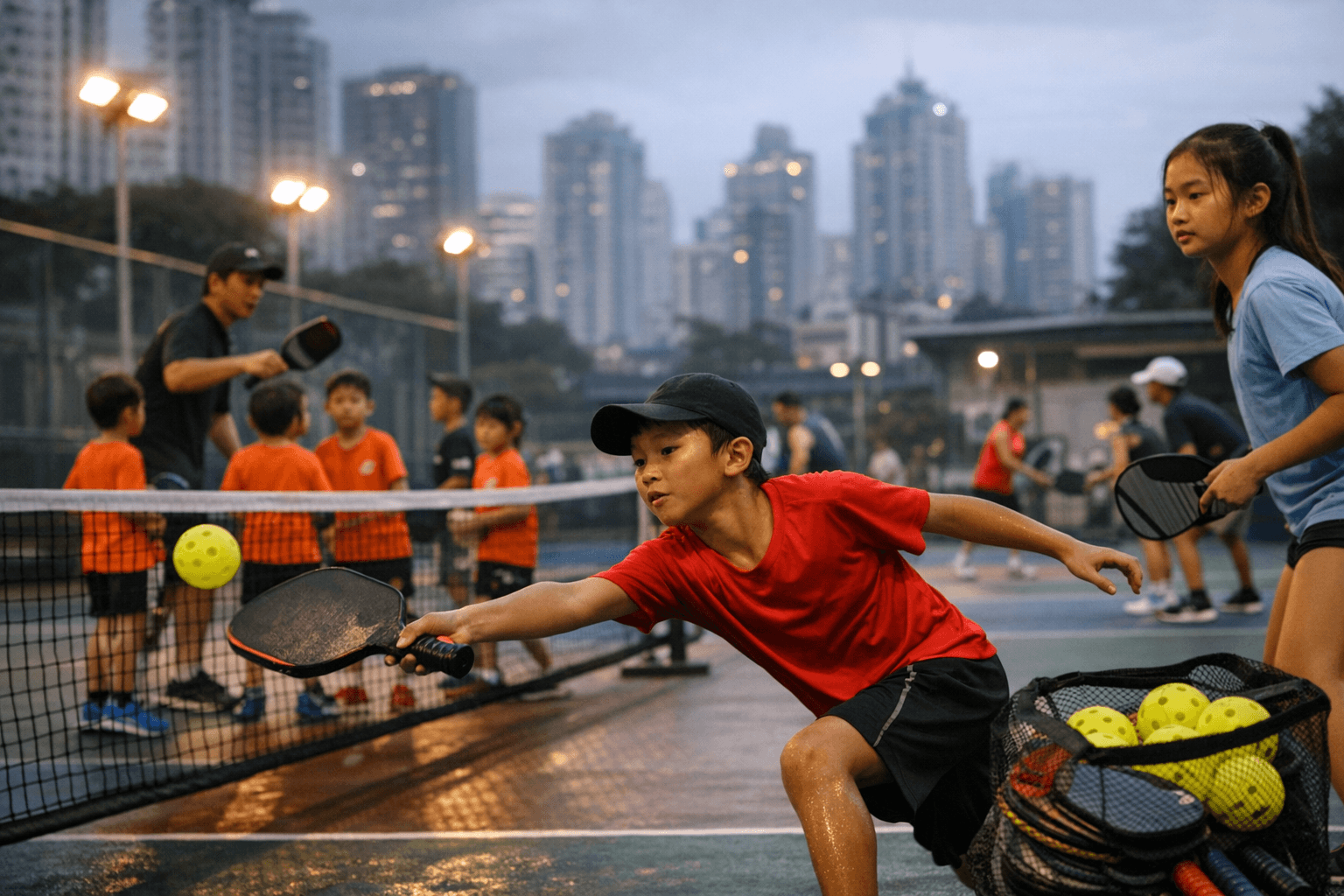
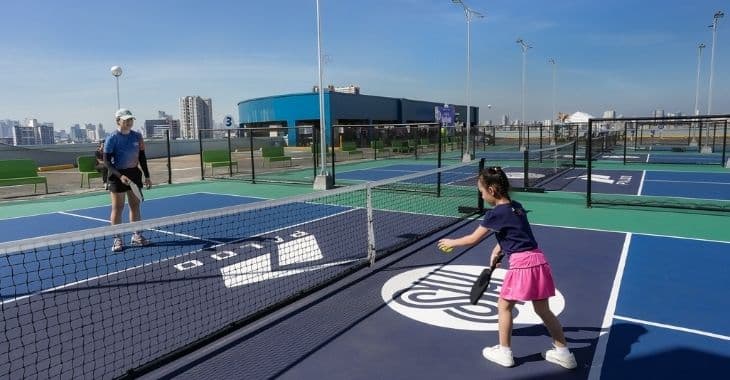
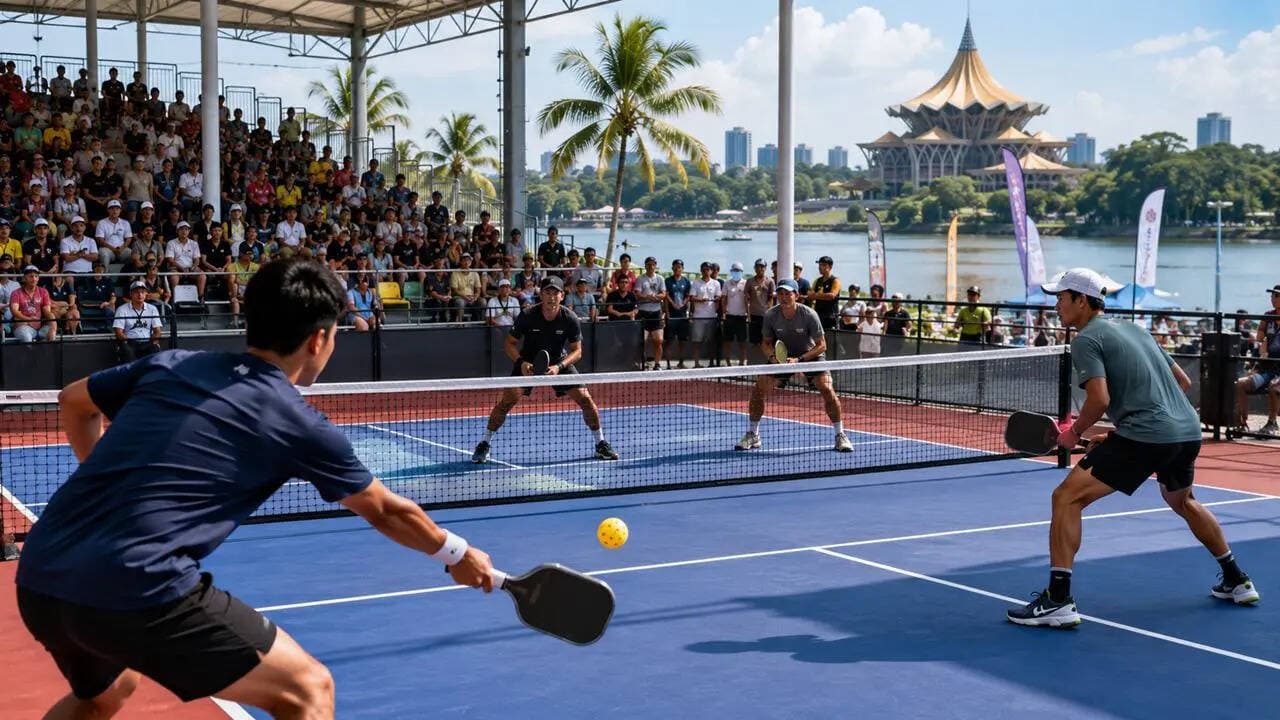
Courts, youth programs and new leagues are multiplying across Asia, and the ripple effects are already changing how pickleball is played, taught and monetized. A structural analysis of the region identifies infrastructure and multi-sport conversion as a key growth driver, while community organizers and advocates point to neighborhood courts, malls, schools and workplace programs as the everyday engines of expansion.
Empower Pickleball Team frames the phenomenon as community-first and women-led. "Most of us discovered pickleball because a friend, sister, coworker, or neighbor invited us to play. That’s the heart of this sport, connection," the group writes, and it highlights that "Pickleball in places like Manila, Bangkok, and Mumbai is social first, competitive second." Those social roots are translating into organized activity: youth programs in schools, weekend leagues at converted multi-sport venues, and women’s social clubs that feed local tournaments and coaching pipelines.
The practical consequences are already visible in club operations and the sports business. Brands and club operators are linking equipment sales, court buildouts and coaching packages to travel and leisure offerings as demand for courts inside malls and community centers rises. Empower Pickleball Team calls out "Pickleball Travel is the Next Big Trend" and argues that regional growth will produce "more women coaches", "more social clubs", "more cross-cultural friendships" and "more spotlight on everyday women building the sport from the ground up." That combination of grassroots energy and commercial interest is prompting clubs to formalize leagues and offer youth pathways to retain players as they age into competitive play.
Policy and elite sport implications follow the market shift. Empower Pickleball Team warns that Asia’s scale and federated growth could accelerate the sport’s Olympic conversation. While the mechanics of international recognition are complex, the team notes that Olympic recognition would mean "more youth programs", "more funding", "more local courts", "more visibility for female athletes" and "more legitimacy for the sport we love." For federations, equipment suppliers and tournament promoters, that prospect reframes investment decisions: court construction, coaching certification and youth outreach become longer-term bets rather than short-term promotions.
Culturally, the region’s social-first model is reshaping norms about who plays and why. The emphasis on invitation and friendship, combined with workplace wellness and school programs, is broadening participation beyond traditional racquet-sports demographics and creating new commercial audiences for apparel, paddles and gear. As clubs in Manila, Bangkok and Mumbai convert space and organize leagues, the business models being tested will inform how brands and organizers scale across Asia.
For players and organizers in Asia and beyond, the immediate takeaway is clear: investment in courts and grassroots coaching is unlocking participation and new revenue lines, and women-led community growth is steering the sport’s social character. What comes next will be shaped by whether federations and investors respond with sustained funding, formal leagues and cross-border travel products that turn social play into a durable sporting ecosystem.
This article was produced by Prism’s automated news system from verified source data, official records, and press releases, then run through automated quality and moderation checks before publishing. The system is built and supervised by the people who set the standards it runs under. Read our full AI policy.
Did this article answer your question?