ATP Ang Pow Cup 2026 Set for One-Day Pickleball Clash in Johor
Pickleball fans will learn the what, where and how of the ATP Ang Pow Cup 2026, a one-day, regional pick‑up of high-tempo pickleball action in Johor and what it means for the sport in Asia.

1. Event snapshot
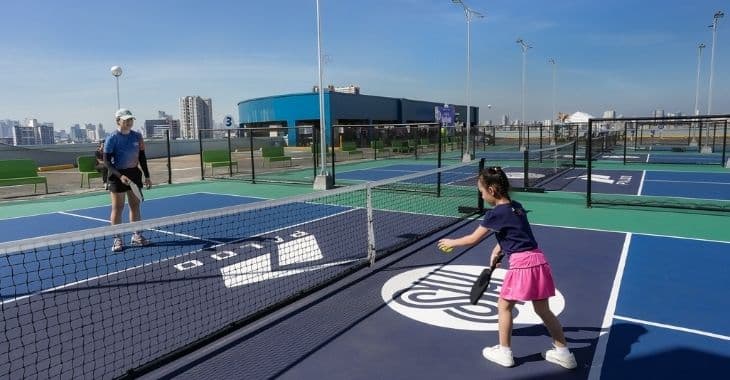
The ATP Ang Pow Cup 2026 is a one-day pickleball tournament scheduled for 1 February 2026 at ATP Club – Pickleball Johor Bahru in Masai, Johor Darul Ta'zim, Malaysia. Published on Pickle361 on 16 January 2026, the event is built as a compact competitive opportunity that slots into the busy early-season Asian calendar. Because it’s a single-day format, expect a condensed schedule with multiple matches per team or player and a festival-like atmosphere.
2. Venue and local significance
ATP Club – Pickleball Johor Bahru is positioned as the host venue, and its selection signals growing investment in dedicated pickleball infrastructure in Malaysia. Holding the Ang Pow Cup at a club facility emphasizes court quality and player services, which in turn raises the bar for regional event standards. For Johor, the tournament is another piece of the state’s push to be a recreational and competitive sports hub in southern Malaysia.
3. Registration essentials and logistics
Organisers list categories, entry fees, and a detailed schedule on the tournament registration page, and registration typically opens in the weeks before the event. If you plan to compete, register early: one-day events fill quickly because players seek guaranteed action without lengthy travel commitments. Pay attention to the organiser’s schedule for match windows and warm-up allocations; one-day draws require tight logistical planning from both players and tournament staff.
4. Who the field will look like
The tournament is marketed to regional players and will likely attract a mix of regional pros, high-level club players, and ambitious local talent looking to test their game early in the season. One-day events favor players with tournament fitness and the ability to recover quickly between matches, so expect to see competitors who specialize in tournament circuits and quick-turnaround formats. This creates intense intra-regional matchups that are a good barometer of form heading into larger events.
5. Competition format and match dynamics to expect
Although organisers have posted specific categories on the registration page, one-day tournaments typically lean on shorter draws, potentially smaller brackets, and sometimes modified scoring to ensure completion in a single day. That compresses play into rapid strategy adjustments: players will dink more aggressively early to seize momentum and shorten points where possible. For doubles especially, pair chemistry and rotation discipline will be decisive, teams that can manage kitchen control and quick poach timing will thrive in this setting.
6. Performance analysis: what to watch
With no results published yet, performance analysis focuses on indicators that predict success in a one-day event: serve consistency under fatigue, transition game speed, and the ability to shift pace mid-match. Watch for players who mix soft touch dinks with sudden drive strings and those who communicate clearly in doubles to prevent kitchen clashes. Match stamina and the capacity to read opponents quickly, adapting strategy between 10–15-minute breaks, will separate winners from runners-up.
7. Industry trends reflected by the event
The Ang Pow Cup exemplifies two big trends in Asian pickleball: rapid event proliferation and the rise of compact, marketable tournament formats that cater to busy regional calendars. One-day competitions lower the barrier for participation and fit neatly into travel windows, promoting higher entry numbers and spectator appeal. For clubs and organisers, these events are efficient revenue generators and scouting grounds for sponsorship and coaching opportunities.
8. Cultural context and branding
The tournament’s name, Ang Pow Cup, taps into a cultural motif widely recognized across Malaysia and the broader region, the red envelope tradition, which gives the event a festive, community-oriented branding hook. That cultural resonance helps tournaments feel local rather than imported, attracting families and social players as well as competitors. Leveraging cultural signifiers also helps organisers market to nontraditional sports audiences, broadening pickleball’s reach beyond club regulars.
9. Broader social and economic implications
Short-format regional events like this drive grassroots growth by creating meaningful competitive touchpoints close to home, which helps retain players and build local rivalries. Economically, they feed the ecosystem, coaching demand rises, local vendors see revenue spikes, and clubs justify investment in court upgrades when usage increases. Socially, one-day tournaments are friendly entry ramps for mixed-age participation, reinforcing pickleball’s reputation as inclusive and community-driven.
10. Practical advice and takeaways for players and fans
If you’re playing, prioritize quick recovery strategies: hydrate well, practice short explosive drills, and plan for multiple matches by packing quick snacks and spare grips. If you’re coming as a fan, arrive early to catch warm-ups and the social vibe, one-day events are great for seeing many competitive matchups in a single afternoon. Finally, check Pickle361’s tournament section and the event’s registration link for the most up-to-date categories, entry fees, and schedule so you don’t miss your spot in Johor.
Closing practical wisdom: treat one-day tournaments like sprints, prepare for intensity, move smart between points, and use them as strategic tune-ups in your season plan; they’re fast, fun, and fertile ground for growth both on court and for the regional pickleball scene.
This article was produced by Prism’s automated news system from verified source data, official records, and press releases, then run through automated quality and moderation checks before publishing. The system is built and supervised by the people who set the standards it runs under. Read our full AI policy.
Did this article answer your question?