DPPC meets Sabah Deputy Chief Minister to boost youth pickleball development
Dinkers Point Pickleball Club met Sabah Deputy Chief Minister Joachim Gunsalam to introduce the club and outline plans to grow pickleball among Sabah youth, a boost for local grassroots sport.
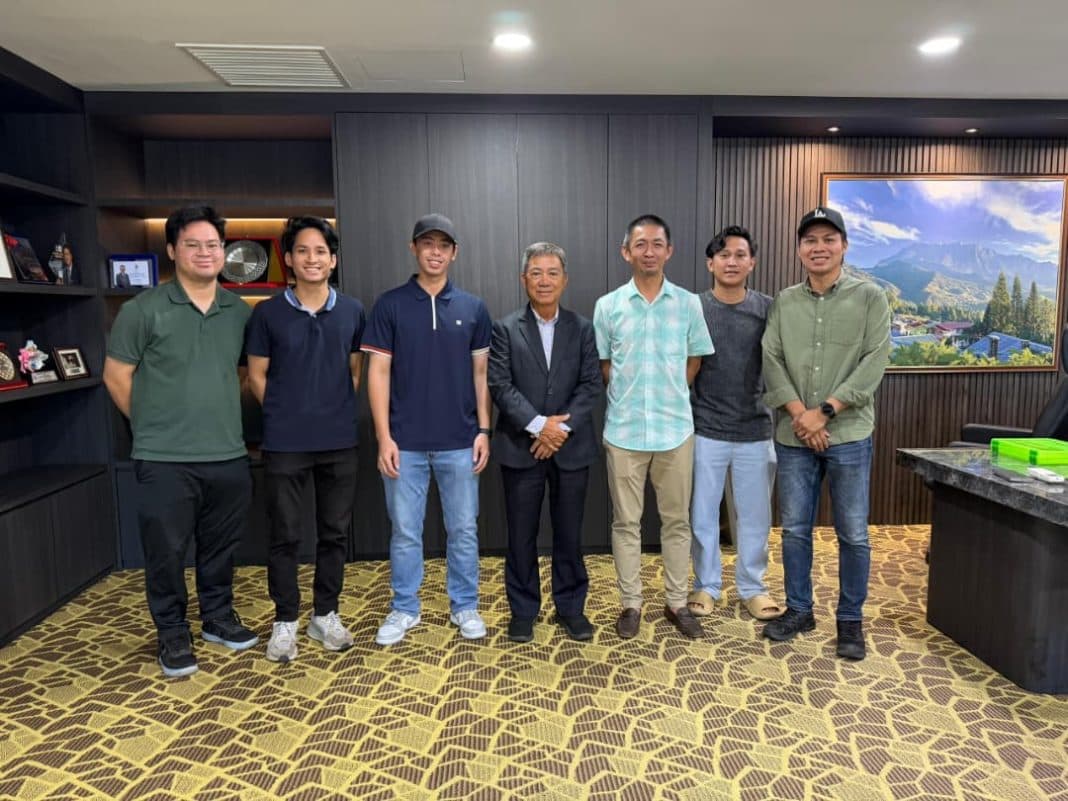
Dinkers Point Pickleball Club (DPPC), led by president Mohd Noh Adzlie, paid a courtesy visit to Sabah Deputy Chief Minister Datuk Seri Dr. Joachim Gunsalam to formally introduce the club and outline plans to develop pickleball among Sabah youth. The meeting took place on February 5, 2026, and was framed by the club as an early step in building a youth pathway for the fast-growing paddle sport in the state.
DPPC’s own social post uses the honorific styling YB Datuk Seri Panglima Dr. Joachim Gunsalam and describes the visit as part of a formal effort to engage key stakeholders, though the club’s published excerpt is incomplete. Local coverage provides the core detail: the purpose was to introduce the newly organized club and present its intentions to expand youth participation in Sabah. No direct quotes, program budgets, or specific commitments from the deputy chief minister’s office were provided in available reports.
From a performance and development standpoint, the meeting signals an organizational shift from informal play toward structured youth programming. Under Mohd Noh Adzlie’s leadership, DPPC appears intent on translating grassroots enthusiasm, weekend social dinks and neighborhood court sessions, into coaching sessions, junior clinics, and competitive opportunities. For players and coaches, that means a focus on fundamentals such as serve consistency, third-shot drop technique, and kitchen control as the club scales training for younger age groups.
Industry trends in Asia make the timing strategic. Pickleball’s rapid uptake across the region has created demand for purpose-built courts, certified coaches, and youth tournaments. For Sabah, that translates into potential business opportunities for equipment suppliers, local sports facilities, and hospitality partners if the state becomes a regional event stop. Local clubs that can demonstrate a pipeline from school programs to competitive play are best placed to attract sponsorship and public support.
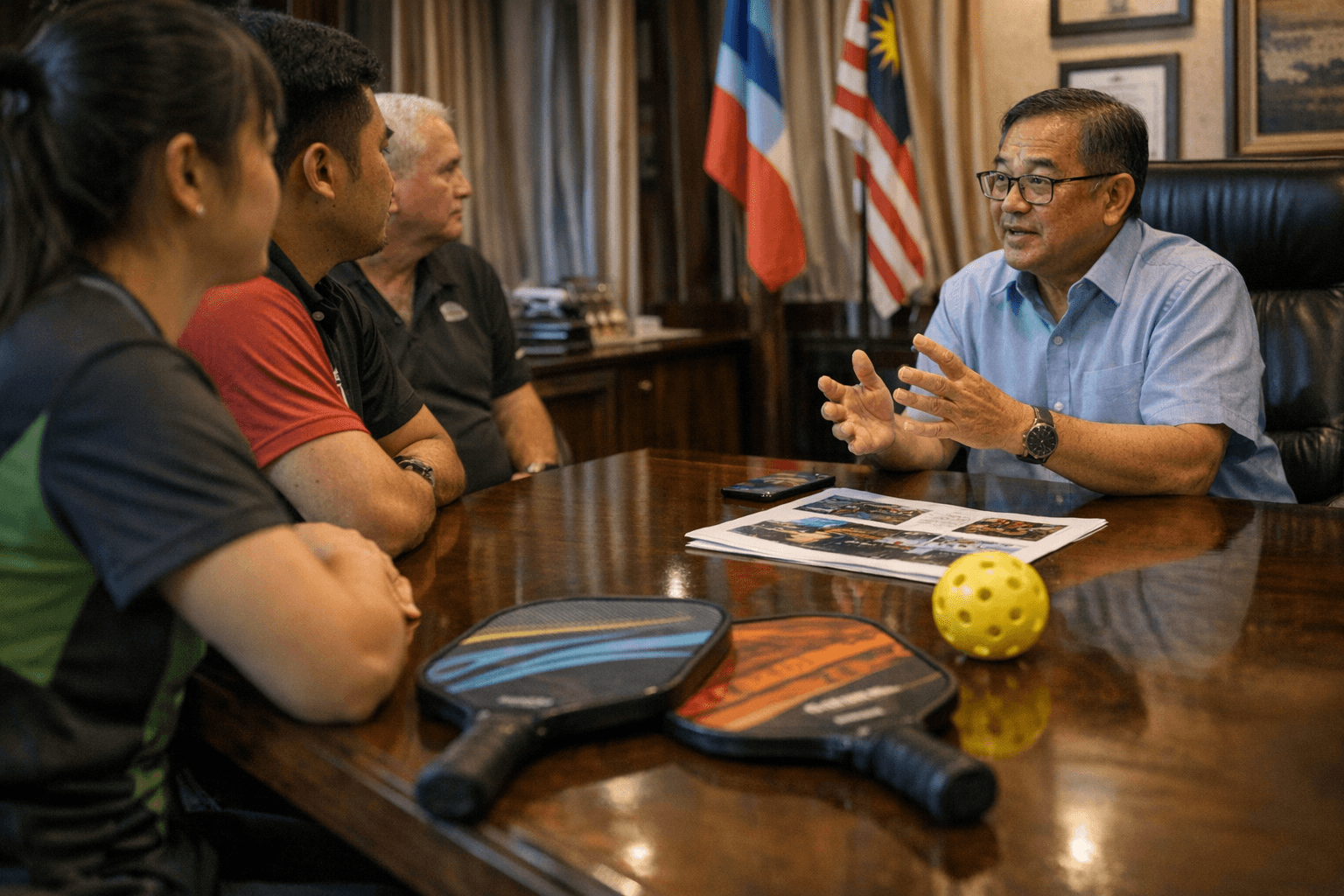
Culturally, the push to engage Sabah youth through pickleball fits broader efforts to diversify sporting options beyond traditional favorites. The sport’s low barrier to entry and social appeal can widen participation across ages and backgrounds, offering inclusive pathways for indigenous and urban communities alike. Socially, structured youth programs provide routine physical activity, mentorship through coaching, and new communal spaces centered on healthy competition.
What remains to be seen are the concrete follow-ups: a detailed program outline, facility plans, and any formal commitments from the state. For players, parents, and local coaches, the DPPC visit is a promising first serve in a longer rally toward organized youth development. If translated into sustained programming and partnerships, Sabah could soon add a new chapter to Asia’s pickleball story.
This article was produced by Prism’s automated news system from verified source data, official records, and press releases, then run through automated quality and moderation checks before publishing. The system is built and supervised by the people who set the standards it runs under. Read our full AI policy.
Did this article answer your question?