DUPR Sandbagging Patterns in Malaysia Spotlighted, MPA Urged to Ban Offenders
Investigation finds DUPR sandbagging patterns in Malaysia, urging MPA to ban offenders to protect fair competition and tournament integrity.
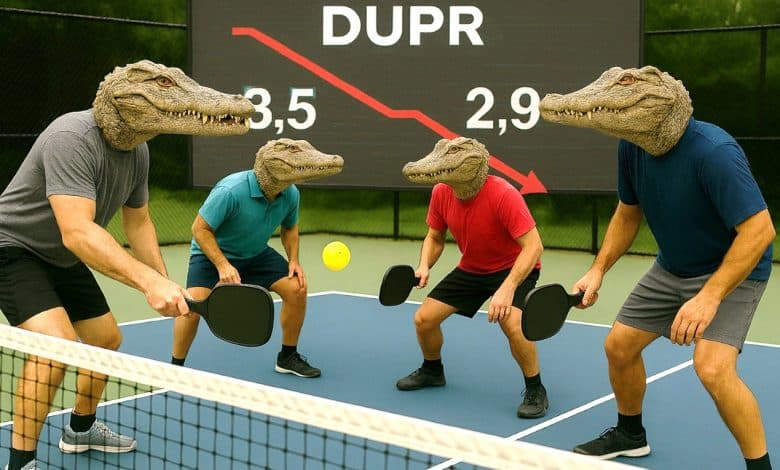
An investigative analysis into DUPR activity in Malaysia has uncovered recurring rating patterns that raise questions about sandbagging and the integrity of local tournaments. Analysts identified clusters of rapid social-game losses that follow spikes in a player’s DUPR rating, a behavior locally labeled as buaya, and have urged the Malaysia Pickleball Association to consider sanctions to restore trust.
The probe compared tournament results, DUPR activity logs, and tournament podium frequency to illustrate how gaming of ratings can distort competitive categories. A specific example involves an unnamed female player whose DUPR repeatedly rose above the 3.5 threshold, was followed immediately by clusters of social-game losses that brought her DUPR back under 3.5, and then saw her return to compete in under 3.5 official tournaments. The pattern “has occurred more than once,” and the report cautions that “This is NOT proof of intentional cheating, but in our view it certainly warrants deeper investigation and we understand why this may be fueling community speculation.”
Those findings have prompted calls for coordinated action. The analysis argued that “making improvements to DUPR is beyond the reach of tournament organisers and pickleball groups everywhere. This is why, in the here and now, it is imperative that they work together with players and other pickleball stakeholders to figure out ways to keep buayas from undermining a growing community that thrives on togetherness even in competition.” It also suggested a specific enforcement model, noting, “In our view this is an are that the Malaysia Pickleball Association could help to control, we are not sure of the real reach and boundaries of what MPA is able to do, but investigating ‘buaya’s’ and potentially banning them from MPA approved tournaments for a period of time, with a 2 or 3 strikes leading to permanent ban seems to be something they could look into.”
The stakes go beyond a single player. Malaysia’s pickleball scene is expanding, with plans for new facilities and growing commercial interest from apparel partners, and any erosion of competitive integrity threatens participation, sponsorship and grassroots growth. Tournament directors face difficult trade-offs: preserving open entry and social play while preventing manipulation of ratings used to seed official events.

Practical next steps include MPA clarifying its jurisdiction and enforcement powers, DUPR providing technical clarification about how social games are logged and whether patterns can be programmatically flagged, and tournament organizers tightening verification around category eligibility. Community vigilance will be essential, but so will due process; the analysis repeatedly underscores that observed patterns are not conclusive evidence of intent.
For Malaysian players and fans, the investigation is a reminder that safeguarding fair play matters as the sport professionalizes. Expect renewed calls for transparency from DUPR, formal guidance from MPA, and closer scrutiny of match logs as the community seeks to weed out buayas while keeping the sport accessible and competitive.
This article was produced by Prism’s automated news system from verified source data, official records, and press releases, then run through automated quality and moderation checks before publishing. The system is built and supervised by the people who set the standards it runs under. Read our full AI policy.
Did this article answer your question?