Foshan hosts APBA pickleball Grand Finals at first-time venue
Foshan’s first-time host drew more than 1,300 athletes from 11 countries and regions, with a record 2.29 million yuan purse and a new pickleball hub on display.
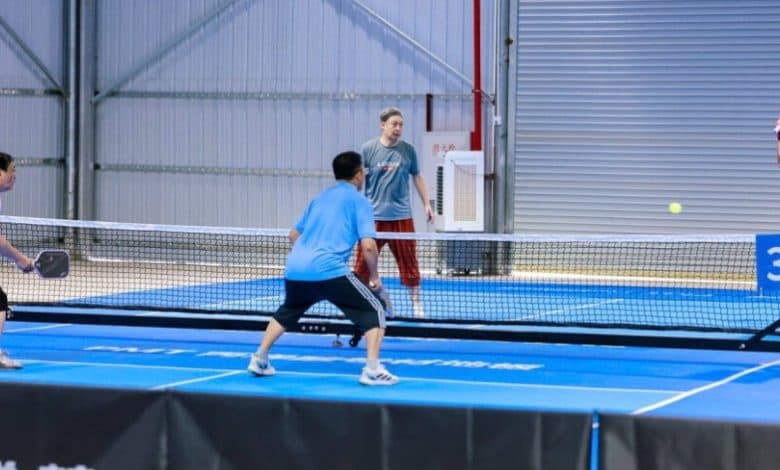
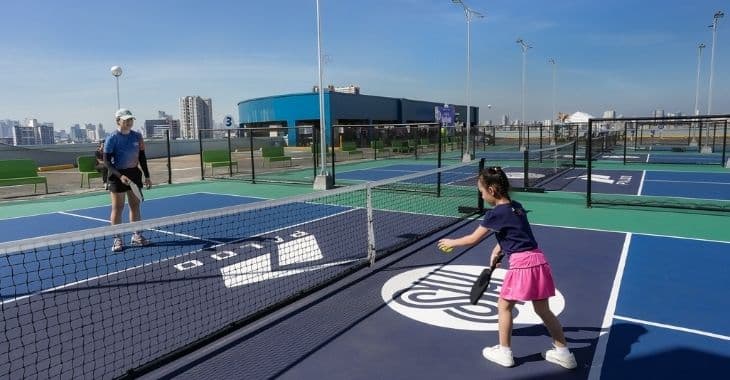
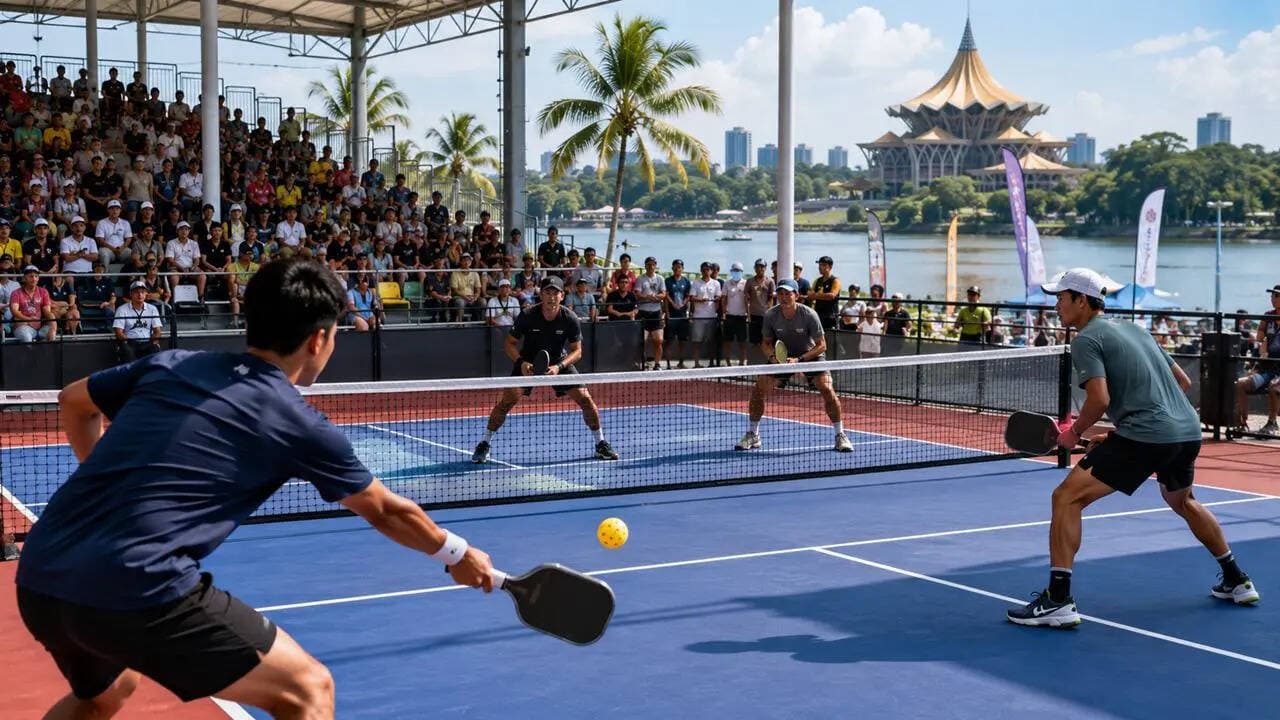
Foshan has turned a first-time venue into a regional statement. More than 1,300 athletes from 11 countries and regions converged on the FJAKA HOMELAND·Ruiling Pickleball International Center in Lishui Town for the APBA Pickleball Open Grand Finals, a five-day event that has become one of Asia’s biggest pickleball showcases.
The finals officially kicked off on June 10, and the size of the field has made the tournament feel bigger than a local stop on the calendar. The total prize pool reached 2.29 million yuan, which Foshan officials described as a record for Asian pickleball events. The club event purse alone was 640,000 yuan, while the club finals and U-series finals in Lishui accounted for 840,000 yuan combined.

The competition is spread across four age divisions and 20 individual events, giving the Grand Finals both depth and range. APBA also introduced what it described as its first-ever “micro pickle” project, a new format designed to widen the sport’s reach and make it more accessible across age groups. In a region where pickleball is still building its competitive identity, that matters as much as the trophy race itself.
APBA president Liao Wang called the gathering of top players in Lishui a “historic moment” for Asian pickleball. He also praised the venue’s facilities and local sports culture, underscoring how much the setting matters to the sport’s next phase. A dedicated international center in Foshan is a different signal than a borrowed court in a multipurpose hall: it shows the city is prepared to host pickleball as a serious, repeatable event rather than a one-off exhibition.
That broader significance is why Foshan’s officials are tying the tournament to tourism and consumer spending. More than 50 catering, leisure and lodging businesses are linked to the event through ticket-economy measures and visitor-engagement plans, with themed travel routes designed to keep fans in the city longer. For a sport still fighting for permanent space on Asia’s sporting map, the business model around the tournament may prove just as important as the matches inside it.

Foshan’s Grand Finals arrive amid a wider Asia-Pacific push to professionalize pickleball, and that makes Lishui look less like an isolated host than an early blueprint. If the city can keep drawing international fields, filling a specialized venue and converting event traffic into broader economic activity, China’s pickleball rise will no longer be a forecast. It will be infrastructure.
This article was produced by Prism’s automated news system from verified source data, official records, and press releases, then run through automated quality and moderation checks before publishing. The system is built and supervised by the people who set the standards it runs under. Read our full AI policy.
Did this article answer your question?