Hebi's pickleball boom draws millions, hosts national championships
Hebi turned pickleball into citywide infrastructure, with over one million participants, more than 1,500 courts and a national championship that generated over 15 million yuan in tourism.
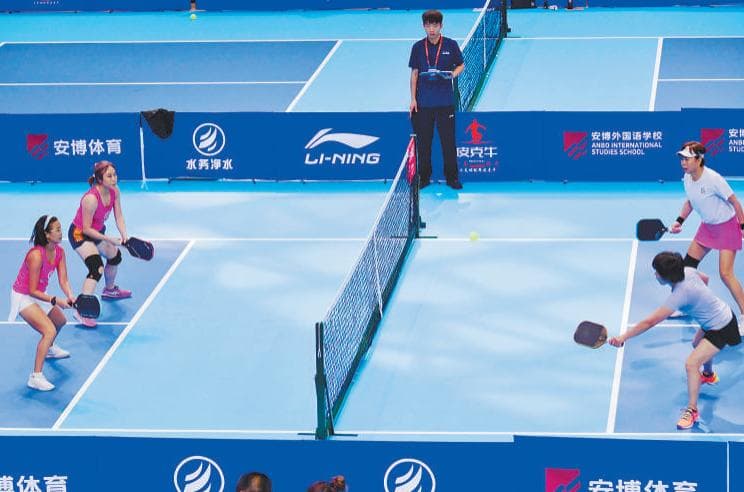
Hebi has become a blueprint, not a curiosity. In an ancient city in central China’s Henan province, pickleball has moved from obscurity to a citywide system of courts, school programs and grassroots tournaments, with more than one million participants drawn in since 2023. The scale is what makes the story matter: Hebi is showing how a smaller Chinese city can build mass participation faster than many larger, more established markets.
A citywide buildout, not a boutique trend
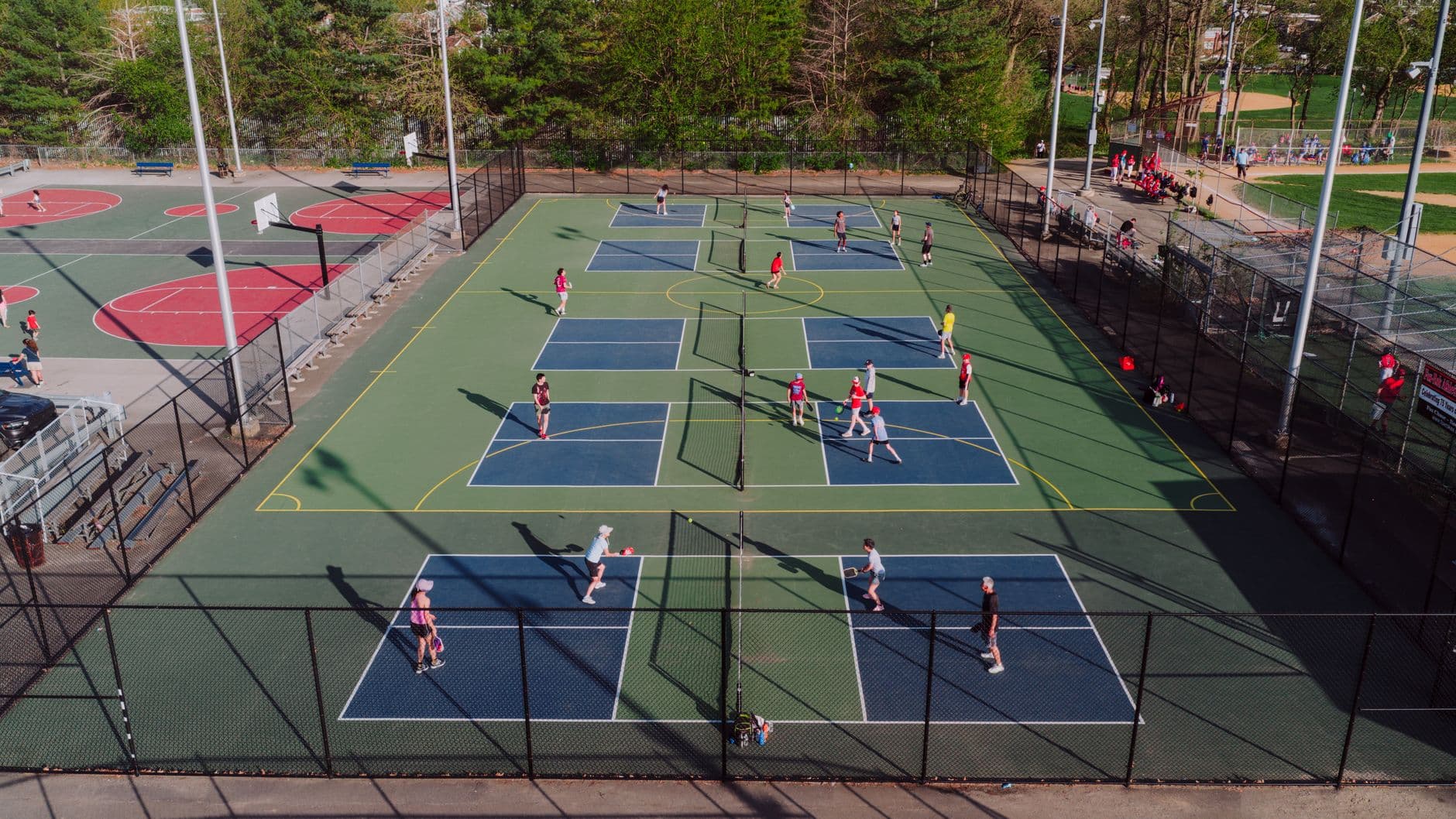
The defining change in Hebi is infrastructure. The city says it has built more than 1,500 pickleball courts, while another account says the total topped 800 in just two years, a pace that speaks to how aggressively the sport has been rolled out. Hebi has also said it wants residents to be within 15 minutes of a place to play, a goal that turns pickleball from an occasional activity into something embedded in daily life.
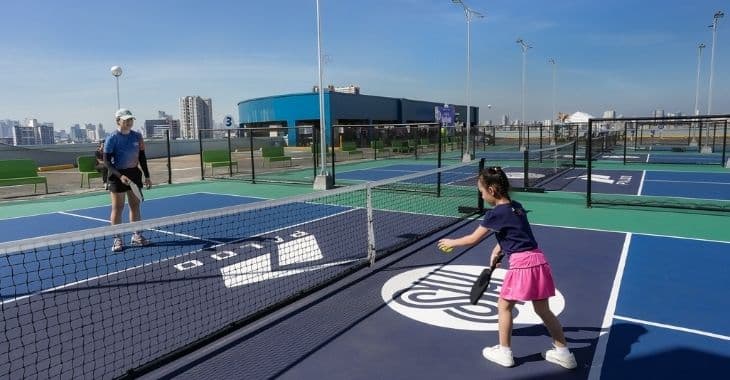
That reach matters because the sport has not been confined to one type of venue or one kind of participant. Since being introduced in 2023, Hebi has pushed pickleball into schools, communities, villages, offices, commercial areas, scenic spots and government agencies. In other words, the game has been treated less like a specialized pastime and more like civic infrastructure, woven into the places where people already spend their days.
Training has grown alongside the courts. Hebi has trained more than 380 coaches and referees, with another account placing the figure above 260 professional coaches and referees. The city also says it has developed more than 280 key players, creating a competitive base that helps keep the sport active after the first wave of curiosity fades. The lesson is clear: courts alone do not build a sports ecosystem. Coaching, officiating and a core group of committed players are what make the system durable.
How pickleball changed daily life in Hebi
The sport’s spread has altered the rhythm of ordinary life. Schoolchildren now play alongside older residents, and that intergenerational mix is part of pickleball’s appeal in Hebi. The game’s low barrier to entry helps explain why it has taken hold so quickly: it is easy to learn, quick to organize and accessible across age groups.
That accessibility has turned into habit. A retired teacher in local coverage described daily play as something she now feels she is missing if she does not get on court. Liu Miao, a physical education teacher from Beijing, began playing in 2023 and now sees so many tournaments that he nearly has a match every week. Those two details capture the sport’s shift from novelty to routine. Pickleball is no longer only something people try once. In Hebi, it is becoming part of the weekly calendar.
Officials have leaned into that transformation by building a ladder of competition. Community events, county-level championships, municipal open tournaments and other grassroots contests have created repeated chances for residents to test themselves. That structure matters because a sport becomes culturally visible when people can not only watch it, but also enter it, improve in it and measure themselves against neighbors, colleagues and rivals from other districts.
The national championship put Hebi on the map
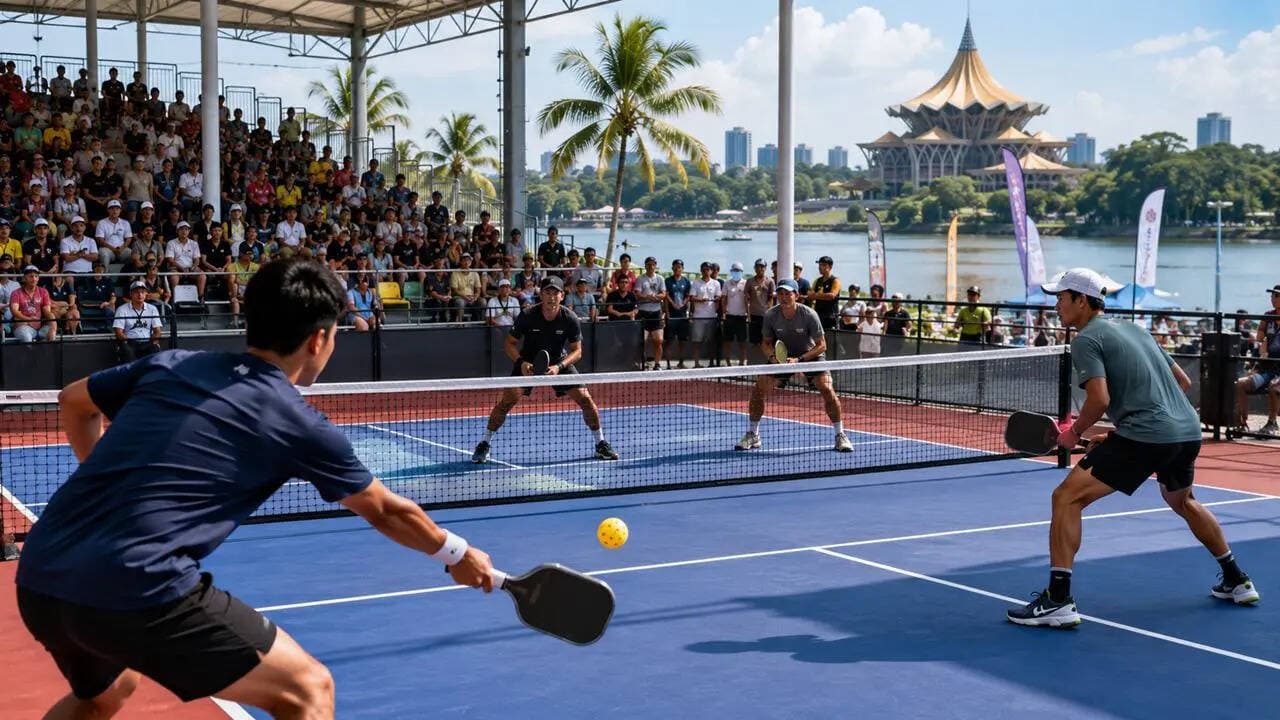
Hebi’s biggest stage came with the 2025 National Pickleball Championships, held September 24-28, 2025. The event drew 25 teams and 311 athletes, while a local preview put the field at nearly 400 athletes. Team and individual events were both on the program, giving the competition enough variety to showcase the sport’s range rather than just a single winner’s podium.
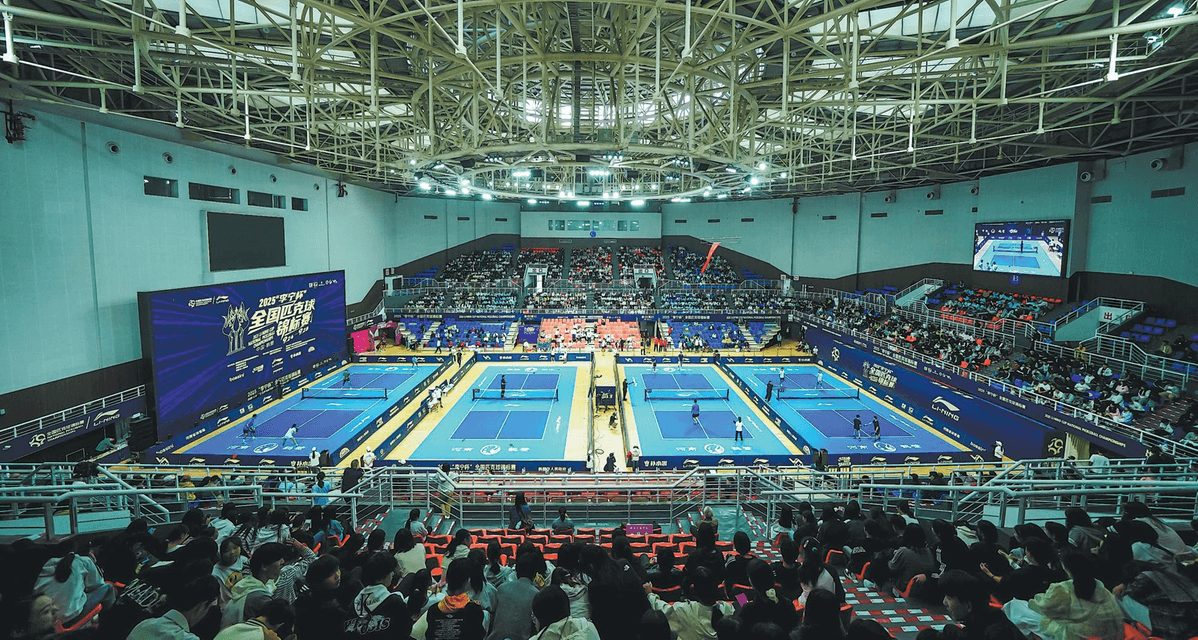
The championship also demonstrated that pickleball can already drive tourism in the right setting. Hebi said the event generated more than 15 million yuan in tourism revenue by pulling visitors into historic landmarks, shopping districts and scenic attractions. That is a significant number for a sport still building its identity in China, and it reinforces why Hebi’s officials have framed pickleball as more than fitness. It is also city branding, visitor traffic and economic activity.
The choice of Hebi as host was no accident. Local and provincial officials have portrayed the city as a pioneer and model for pickleball in Henan province, and the championship gave that claim a national platform. With nationwide live-broadcast attention, Hebi was not just hosting games. It was advertising a new urban sports identity.
From public courts to a full industry chain
Hebi’s rise is also becoming an industrial story. The city has used its strength in advanced materials to attract and develop pickleball equipment manufacturers, building a chain that stretches from raw materials and research and development to manufacturing and global distribution. That is a crucial next step for any sport looking to scale, because equipment production can lock in local jobs even as participation grows.
Henan Geili Sports is one example of that shift. The company produces pickleballs and paddles that are exported to the United States and Canada, showing that Hebi is not only consuming the sport but also selling into it. A local development center has also been established to support training and competitions, reinforcing the idea that the city sees pickleball as a standing sector rather than a one-off campaign.
International attention has followed. In February 2026, a U.S. youth pickleball cultural exchange trip stopped in Hebi and visited Xunxian Ancient City in Xunxian county, adding a cross-cultural layer to the city’s sports rise. That visit matters because it links pickleball’s American origins to its Chinese growth story, with Hebi acting as a meeting point rather than a copycat market.
Why Hebi may be Asia’s most replicable model
Pickleball originated in the United States in the 1960s, but its growth in Asia will not depend only on importing the sport. It will depend on whether cities can build the same kind of everyday ecosystem Hebi has assembled: dense court access, school participation, community competitions, trained officials, local manufacturing and a clear public narrative about health and city pride.
China’s national pickleball competition system was officially launched by the Chinese Tennis Association in 2024, and Hebi’s national championships arrived just one year later. That timing shows how quickly the city moved once the sport received formal structure. For Asia’s second-tier cities, that is the real takeaway. Hebi did not wait for pickleball to become big before building for it. It built, organized and branded first, and the sport followed.
This article was produced by Prism’s automated news system from verified source data, official records, and press releases, then run through automated quality and moderation checks before publishing. The system is built and supervised by the people who set the standards it runs under. Read our full AI policy.
Did this article answer your question?