How to Run a DUPR-Rated Pickleball Tournament in Asia
Sports fans will learn practical steps to plan, run and report a DUPR-rated pickleball tournament across Asia, covering rules, logistics, communications and commercial tips.
1. Venue & court setup
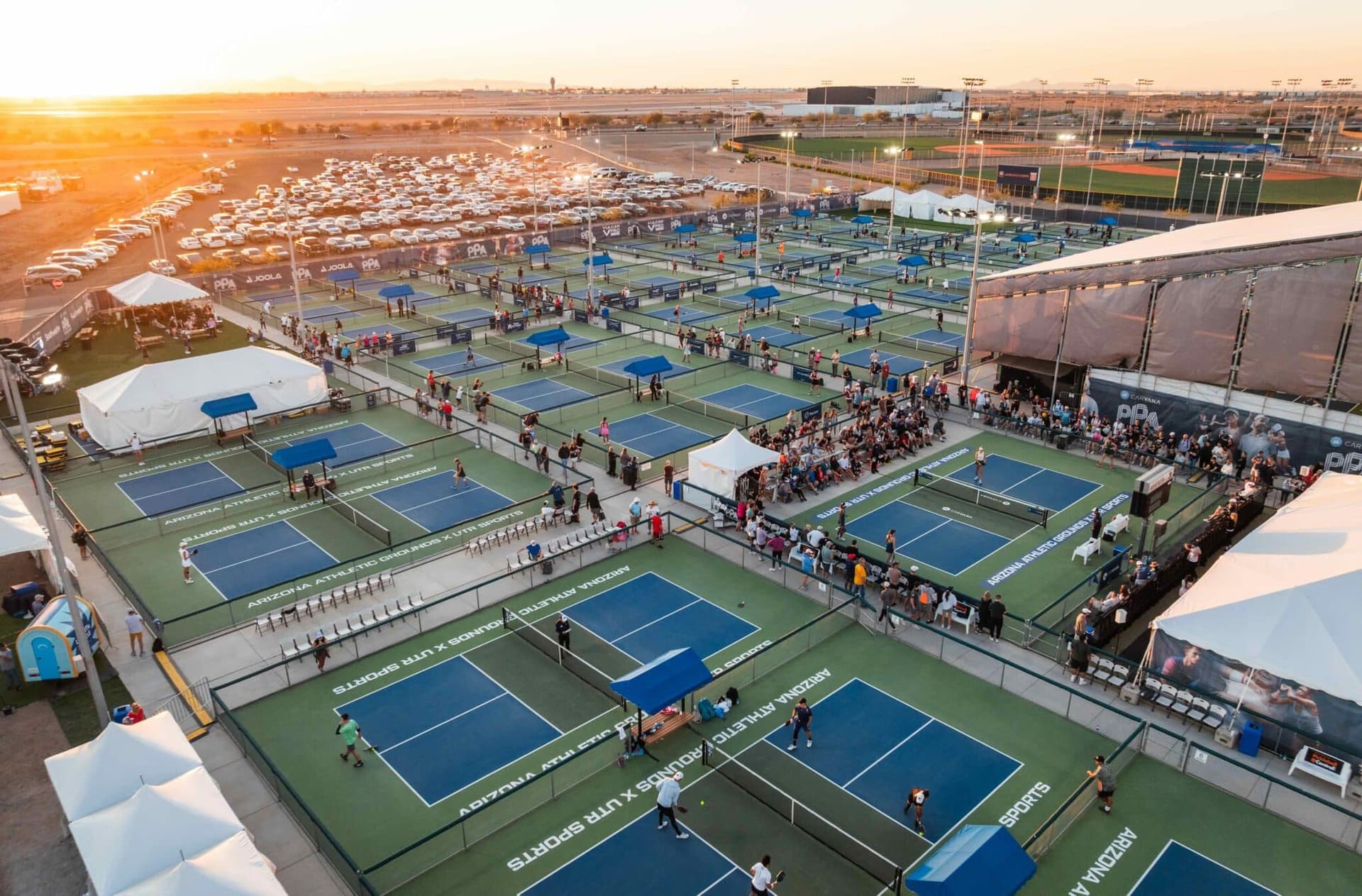
Measure courts to standard pickleball dimensions and mark lines precisely; a regulation court (20x44 feet for doubles) with proper net tension is non-negotiable for DUPR validation. Ensure consistent lighting, shade or ventilation for tropical climates, and design spectator flow so warm-up space and the check-in desk remain clear and accessible. Plan a dedicated warm-up area and a visible check-in table with clear signage to cut late-start chaos and manage match timing.
2. Sanctioning & rating
Decide early whether you will submit results to DUPR, it is recommended for standardized player ratings across Asia and helps draw competitive fields. Obtain any required sanctioning before registrations open and publish your DUPR/NR handling policy: state whether NR (non-rated) entrants will be seeded provisionally or placed in separate novice brackets. Communicate how rating disputes and provisional seeds will be resolved to prevent confusion on event day.
3. Categories & eligibility
Choose divisions that reflect local player demographics, Novice, Intermediate, Advanced and Open, and set clear DUPR cut-offs so players know where they belong. Offer age categories like U18 and Masters (50+, 60+) if there’s demand, and publish entry limits and combined-rating caps for doubles or team divisions to preserve fair competition. Clear eligibility rules reduce matchmaking friction and help balance courts so game outcomes reflect skill, not mismatched pairings.
4. Format & scoring
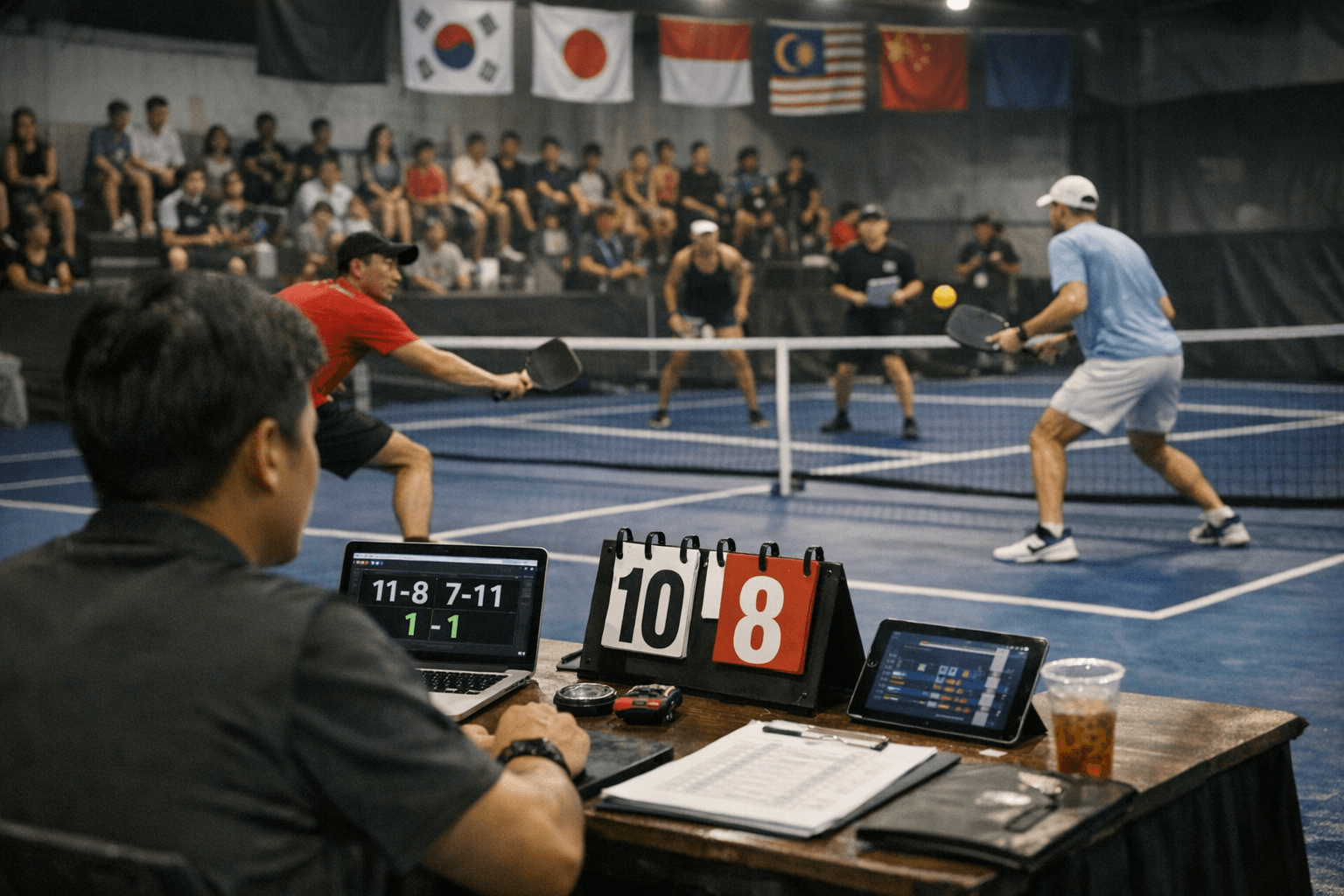
State the format for each round up front: Asia commonly uses group-stage to knockout, with group play to 15 rally-score and knockouts to 21 or best-of-three to 11 for semis/finals. Publish tie-break procedures, point differential, head-to-head results, then sudden-death if needed, and spell out forfeiture and late-check-in policies (for example, lock-in 30 minutes before scheduled start). Use consistent scoring to let player performances trend predictably; match length and intensity affect fatigue and team dynamics, so schedule rest between matches.
5. Scheduling & draws
Publish a tentative schedule early and lock draw times with a published check-in window, 30 minutes before match start is a common standard to maintain flow. Use automated draw software where possible to seed from DUPR and reduce disputes, and publish draws and estimated match durations so courts and volunteers can be allocated efficiently. Promptly post results to the draw sheet and to DUPR to keep brackets current, and structure the schedule to allow recovery windows that reflect tournament format and local climate.
6. Officials & rules
Appoint referees or umpires for Open divisions and key knockout matches; trained officials keep disputes crisp and uphold consistent line calls and time violations. Publish a tournament handbook covering equipment rules, approved balls, paddle restrictions, conduct and anti-doping/behavior code so players know the playing field before they arrive. Solid officiating improves match quality and makes game outcomes a clearer reflection of skill and team dynamics rather than rule confusion.
7. Player communications
Set clear refund and withdrawal deadlines and display them prominently during registration; ambiguity fuels social media headaches. Provide multiple contact channels, WhatsApp groups, phone, and email, and push live-result links plus a daily schedule so players and fans can follow matches in real time. Give estimated match durations, court assignments, and a captain’s meeting time to streamline logistics and reduce on-site tension.
8. Safety & medical
Have an on-site first-aid plan, basic medical supplies, and a heat/hydration guidance plan tailored to local weather; Asian climates can demand extra cooling and break planning. Assign emergency contacts and a rapid-evacuation route with transport options to the nearest hospital. Preventable medical withdrawals are bad for competition integrity; proactive safety practices keep player performances at their best.
9. Sponsorships & prize structure
Be transparent about prize money, vouchers and in-kind prizes, and publish a detailed prize breakdown so entrants understand value and incentives. Clarify how medals and trophies will be allocated across divisions and any tax implications for prize payouts. Align sponsors with grassroots goals, local brands often prefer community visibility and player engagement over raw broadcast impressions.
10. Broadcast & media
If streaming or working with a media partner, set camera zones and match selection criteria for live coverage; prioritize semifinals/finals and high-DUPR matchups for broader appeal. Publish social media handles and a content schedule for highlights, interviews and match clips to amplify the event and attract sponsors. Clear camera rules protect player focus and preserve the “kitchen” etiquette vital to the sport’s culture.
11. Operational tips tuned for Asia
Accept local payment methods (bank transfer, e-wallets) as well as global gateways to reduce drop-off at registration; list fees per pair/bracket and any taxes explicitly. If courts are near residential areas, consider quieter practice balls (foam/silent balls) for warm-ups and publish court hours to minimize neighbor complaints. • Plan for multi-language signage if your field is regional • Use cashless vendors and QR codes for merchandising • Recruit local volunteers familiar with community norms to smooth operations.
12. DUPR reporting
Submit match results the same day or within 24 hours to keep player ratings accurate and avoid confusion across the regional ladder. Prompt reporting protects the integrity of future seedings and encourages players to enter your events because they trust the outcomes will reflect on their DUPR. Keep a designated results officer and a simple workflow for score confirmation, dispute windows, and bulk uploads to DUPR.
13. Sample timeline (12 weeks before event)
Start 8–12 weeks out by confirming venue, sanctioning, prize budget and your main sponsor to lock the commercial base of the event. At 6–8 weeks, open registration and publish the handbook and a schedule template so players can plan travel; at 2–3 weeks, lock draws, confirm volunteers, order medals and publish a detailed schedule. During event week run final check-in, hold a captains’ meeting, install on-court signage and test streaming; these last checks keep the tournament running like a well-tempered paddle.
Closing paragraph: Treat every DUPR-rated event as both a community builder and a product: clear rules, timely reporting and respectful scheduling turn one-off tournaments into recurring fixtures that grow player confidence and commercial viability. Apply these steps, tailor them to local conditions, and you’ll serve up events where game outcomes reflect true performance, teams gel under pressure, and Asia’s pickleball scene continues to flourish.
This article was produced by Prism’s automated news system from verified source data, official records, and press releases, then run through automated quality and moderation checks before publishing. The system is built and supervised by the people who set the standards it runs under. Read our full AI policy.
Did this article answer your question?