India's pickleball boom turns fashion and brands into the game
India’s pickleball boom is becoming a branding test, with fashion, sponsorship and lifestyle signals racing ahead of the league economy.

The court is no longer the whole story
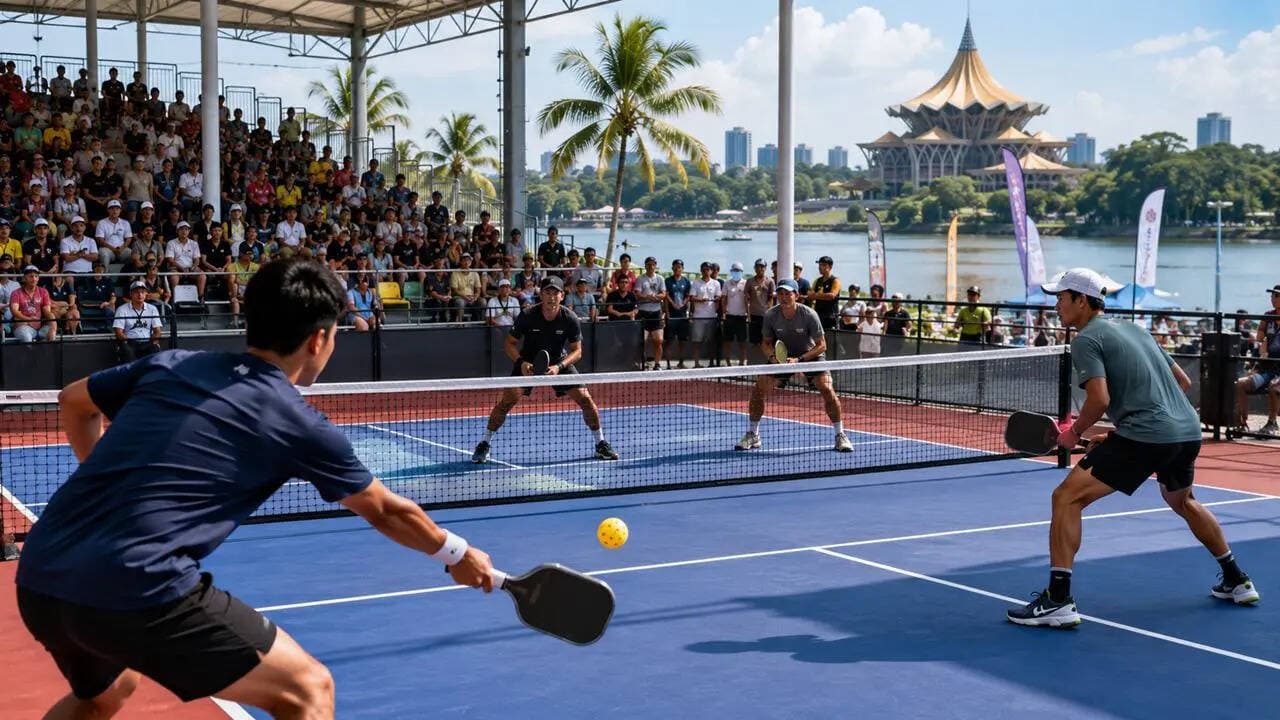
India’s pickleball boom is now being judged by more than winners and scorelines. The sharper question is whether the sport is building a real competitive base, or whether branding, clothing and influencer energy are moving faster than the infrastructure that makes a pro league sustainable.
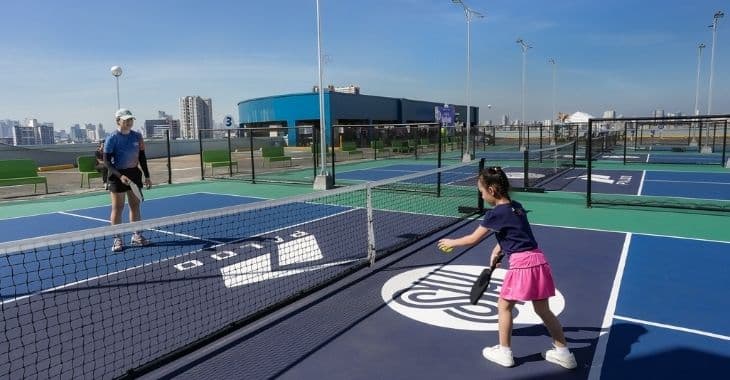
That tension sits at the center of the current moment. Courts in Gurgaon, Mumbai and Bengaluru are being described less like sterile sports venues and more like social spaces where people stay after matches, outfits matter, and the game feels tied to identity as much as athletic performance. That is exactly why this phase matters: lifestyle appeal can pull new players in quickly, but only a durable competitive structure can turn a trend into an industry.
Shashank Khaitan and the fashion-first argument
Filmmaker and pickleball player Shashank Khaitan has become one of the clearest voices in this conversation. His idea that a pickleball fashion week could help define the sport’s image before a major professional league fully takes over is more than a novelty pitch. It reflects a real commercial instinct: if the sport is going to become a consumer category, the look, feel and social code around it may matter almost as much as the point system.
Khaitan’s view is backed by a striking market signal. He says he has recently taken calls from both an apparel company and an equipment company, and estimates that at least 50 brands could be exploring the space. That matters because it suggests Indian pickleball is no longer being treated as a niche pastime. Brands are already trying to position themselves inside the ecosystem, and they are doing it before the league infrastructure is fully mature.
The upside is obvious. Fashion, gear and community culture can create a sticky identity that helps a sport travel faster through urban India. The risk is just as clear: if image becomes the headline story too early, the business may outgrow the sporting base that should support it.
Why the institutional layer matters now
The commercial push is happening alongside a rapid formalization of the sport. The Indian Pickleball Association says it is recognized by India’s Ministry of Youth Affairs and Sports and serves as the national governing body for pickleball in India. That kind of recognition gives the sport legitimacy, but it also raises the bar. Once governance exists, the sport is expected to produce rankings, events and standards that match the hype.
The All India Pickleball Association has also been active on the sponsorship front. In May 2024, it announced a five-year kit sponsorship with Skechers for the Indian national pickleball team. That deal is important because it shows a major sportswear brand seeing value in the category before pickleball has fully entered the mainstream sports economy.
There is also a stronger league structure arriving. The Indian Pickleball League says on its official site that it is India’s first professional pickleball league, launched by The Times Group and sanctioned by the IPA. That combination of media backing and federation approval is precisely why the fashion-first conversation feels so urgent. If the league era is coming, the question is whether India is building a sport, or simply branding a scene.
The numbers show why brands are circling
The audience potential is not theoretical. A 2024 UPA Asia and YouGov release said about 1.9 billion people across 12 Asian territories have heard of pickleball, 812 million have played at least once, and 282 million play monthly. Those numbers explain why sponsors are looking at the sport as a regional consumer opportunity rather than a local curiosity.
India’s own participation figures point in the same direction. Finshots reported in 2024 that the country’s active pickleball player base was around 60,000 by the end of 2024, with casual participation above 100,000. The All India Pickleball Association says more than 10,000 players are actively playing across India, while also noting that it has conducted national tournaments, federation cups, Indian Open tournaments, ranking tournaments, league championships and club tournaments over the past 15 years.
Taken together, those figures tell a clear story: the sport is still young in commercial terms, but it is already large enough to attract institutional attention and early brand money. That is often the most volatile stage in a sport’s growth. The upside is expansion; the danger is overpromising before the competition system fully settles.
India’s place inside a growing Asian circuit
India is not developing in isolation. The Asia Federation of Pickleball says it promotes the sport across Asia and follows the USA Pickleball rulebook and code of conduct, a sign that the region is moving toward more standardized play. That is crucial for any future pro ecosystem because commercial growth depends on rules, comparability and credible competition.
The federation also hosted the inaugural Asia Pickleball University Championship in Da Nang, Vietnam, from July 17 to 20, 2025, with players from eight countries. That event matters beyond the college level because it shows the sport spreading through institutional pathways, not just private clubs and social play. A university championship creates pipeline, visibility and regional identity, which are all ingredients a league will eventually need.
For India, this broader Asian context changes the stakes. The country is not just trying to popularize pickleball at home. It is trying to establish itself in a regional ecosystem where tournaments, rankings, rulebooks and cross-border competition already exist. If India can match its brand energy with competitive structure, it could become one of Asia’s most important pickleball markets.
Who benefits from the imbalance
Right now, the fastest beneficiaries are easy to identify. Apparel brands get a fresh category. Equipment companies get a growth market. Event organizers and media platforms get a story that travels well. Influential players and public-facing personalities, especially those like Khaitan who can connect sport with style, gain outsized visibility.
The harder question is whether players benefit at the same pace. If the sport’s public face becomes too fashion-led, everyday competitors may still be waiting on stronger facilities, better pathways and more reliable event structures. That gap is the real commercialization test. A sport becomes durable when the look of it is matched by the logic of it.
India’s pickleball boom is proving that culture can arrive before scale, and brands can arrive before certainty. The next phase will show whether that sequence becomes a strength, or whether the sport must still catch up to the image it is selling.
This article was produced by Prism’s automated news system from verified source data, official records, and press releases, then run through automated quality and moderation checks before publishing. The system is built and supervised by the people who set the standards it runs under. Read our full AI policy.
Did this article answer your question?