Indonesian Provincial Bodies Demand Extraordinary Congress Over Pickleball Federation Failures
Pickleball was shut out of PON 2028 while padel got in, and Indonesia's provincial bodies are now demanding a full governance overhaul of the national federation.
The omission of pickleball from PON 2028's official sports list, while padel secured a confirmed slot, has ignited a governance crisis inside Indonesia's national pickleball federation that threatens to undo five years of hard-won competitive momentum.
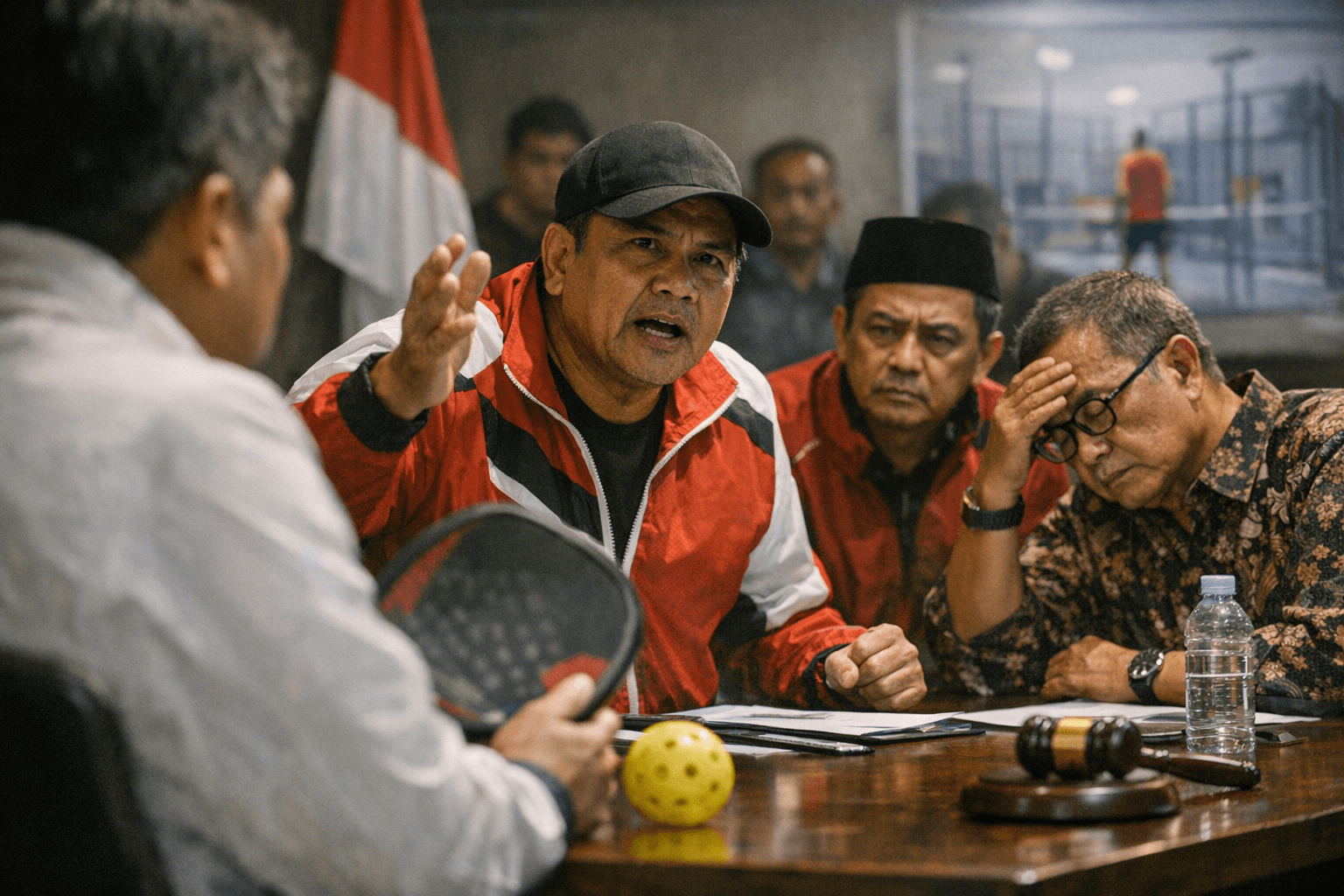
Multiple pengprov across Indonesia declared last week that the Ikatan Pickleball Indonesia (IPF) has "lost its way," formally demanding a Musyawarah Nasional Luar Biasa, or Munaslub: an extraordinary national congress triggered when provincial bodies judge a federation to have failed its mandate. The calls intensified after pickleball did not appear on the confirmed sports roster for PON 2028, the national multi-sport games co-hosted by Nusa Tenggara Barat and Nusa Tenggara Timur, while padel, a fellow niche racket sport, was accepted.
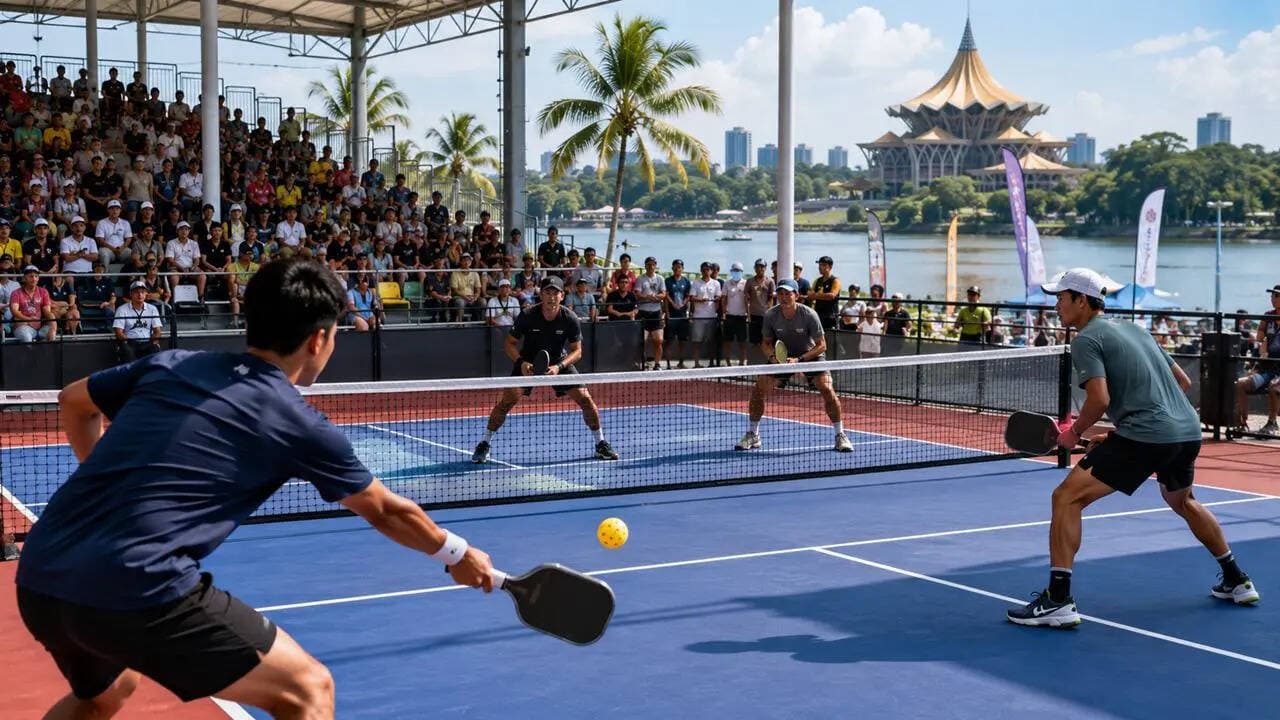
Provincial leaders argue the omission does not reflect pickleball's popularity or competitive standing. Since 2021, Indonesia's pickleball community has grown rapidly through provincial federation activity, earning an exhibition slot at PON Aceh-Sumut 2024 and producing continental-level results on the Asian circuit. That trajectory makes the PON 2028 exclusion harder to absorb; pengprov officials told local media they attribute the setback directly to IPF leadership and strategic planning failures, not to any deficit in the sport's development base.
The procedural trigger for a Munaslub requires a sufficient number of provincial bodies to formally petition the national federation, compelling it to either convene an extraordinary congress or present a credible remediation plan. If mobilising pengprov reach that threshold, IPF leadership faces a stark choice: convene the meeting and submit to a potential overhaul, or negotiate a settlement that includes transparent selection criteria for multi-sport events and a concrete development roadmap.
Three scenarios are now in play, each carrying distinct consequences for athletes over the next six to twelve months.
In the most optimistic outcome, the IPF convenes a Munaslub, installs new leadership with a reform mandate, and tables a national development framework that gives provincial bodies clarity on funding and selection timelines. Athletes regain certainty over national team pathways, and sponsors who have been watching the federation's instability from the sideline have reason to re-engage.
A second path involves the IPF resisting a full Munaslub while offering partial concessions: publishing selection criteria, appointing a technical committee, and opening dialogue with PON 2028 organisers about a late inclusion bid. That approach buys time but creates an accountability gap; without structural reform, the planning failures that produced the PON 2028 omission could repeat ahead of future multi-sport cycles.
The most damaging scenario sees the petition stall through procedural delays or insufficient provincial mobilisation, leaving Indonesia's pickleball programme fragmented. Provincial associations with independent resources would pursue bilateral arrangements with regional bodies and sponsors, effectively fracturing the national programme and chilling the facility investment that sustained Indonesia's regional rise.
Three indicators will signal which path prevails: whether Kemenpora publicly intervenes, whether IPF national leadership issues a formal response to the pengprov demands, and whether provincial associations coalesce around a concrete Munaslub date and agenda. Indonesia's pickleball programme built its Asian credibility through provincial energy; losing that coordination now would mean governance failure overtaking athletic potential.
This article was produced by Prism’s automated news system from verified source data, official records, and press releases, then run through automated quality and moderation checks before publishing. The system is built and supervised by the people who set the standards it runs under. Read our full AI policy.
Did this article answer your question?