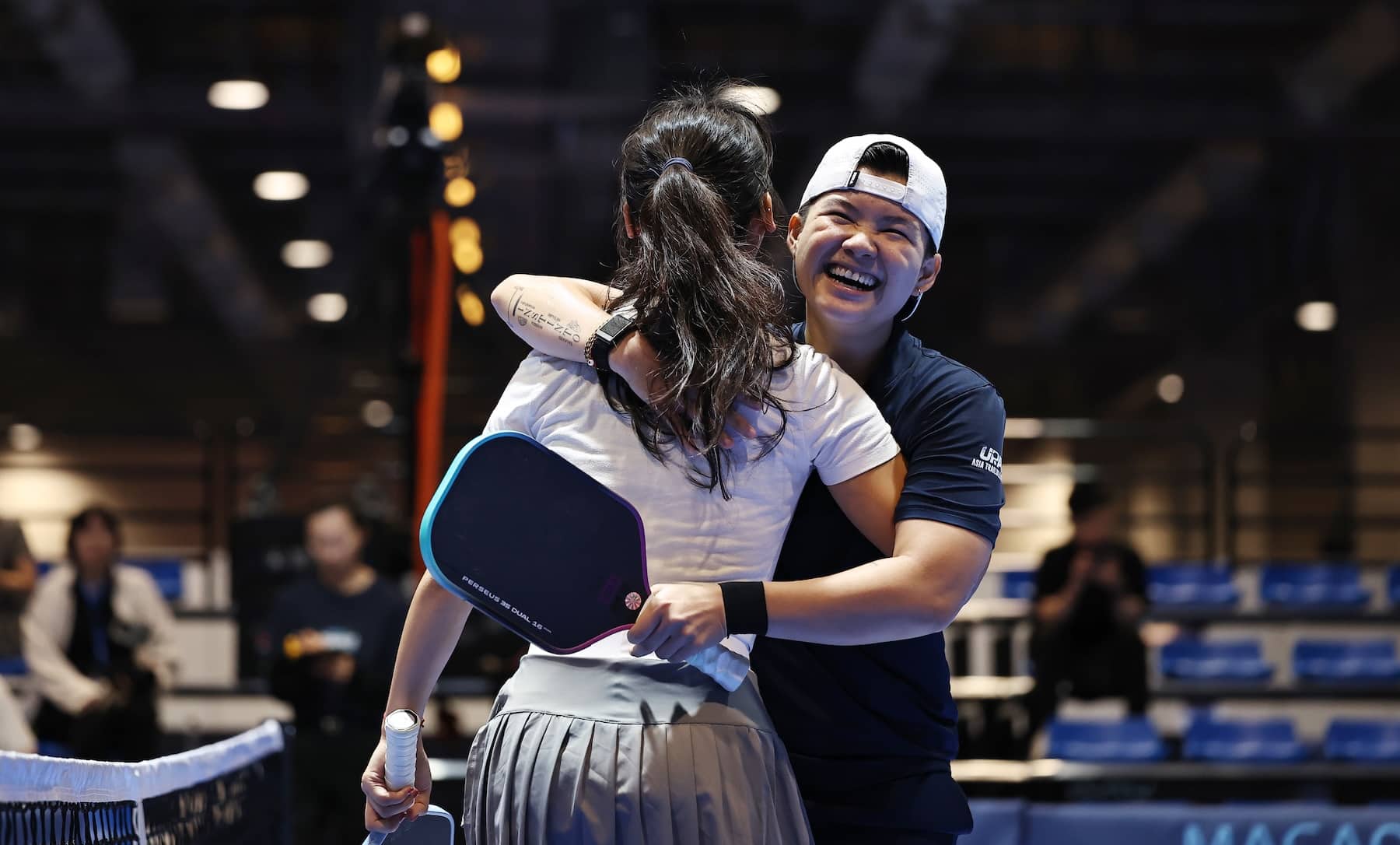
Luc Pham outlasts Eunggwon Kim in three-game Macao Open thriller
Luc Pham turned an 11-1 opener into a 42-minute grind, then edged Eunggwon Kim 11-9 to show how thin the margin is at the Macao Open.
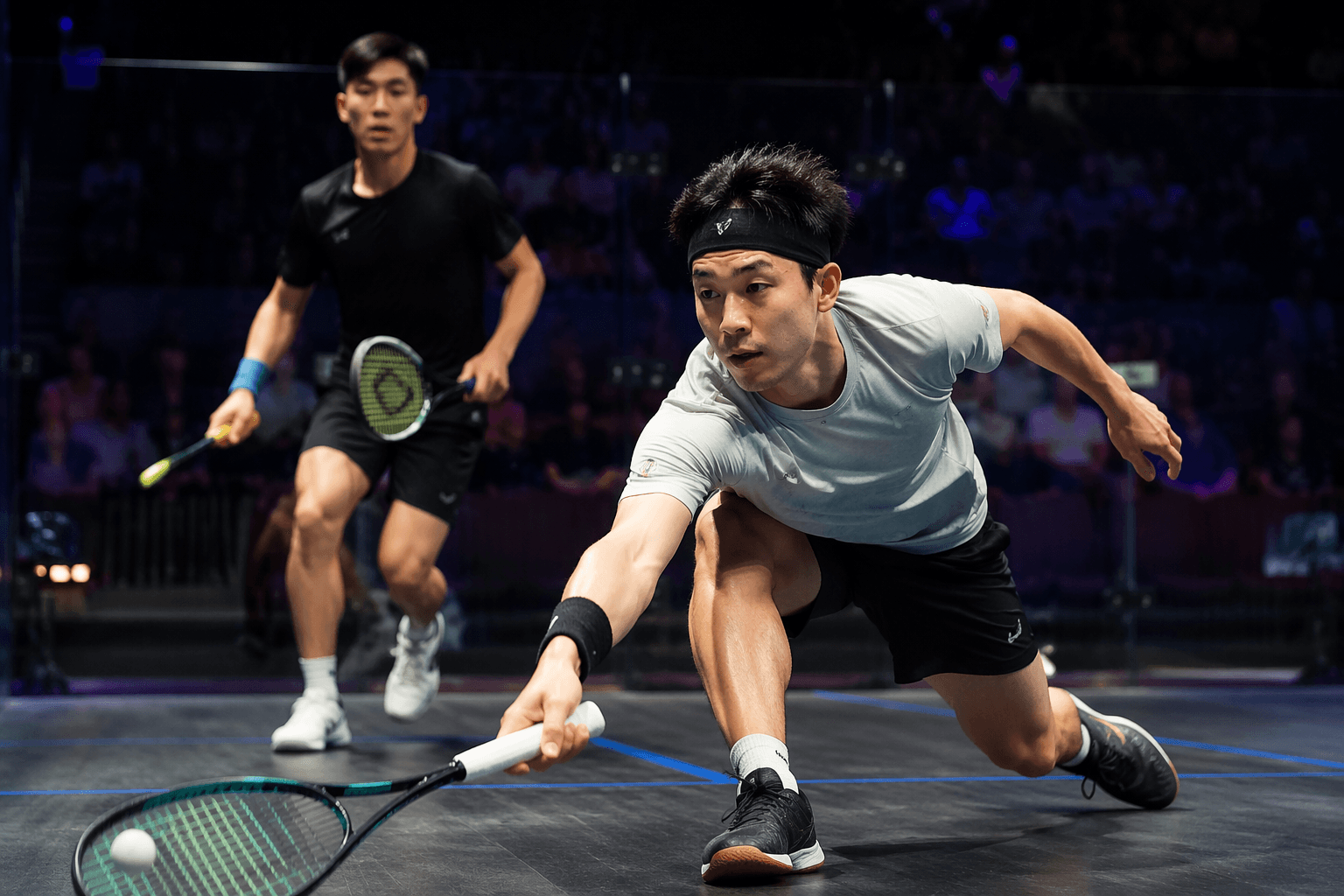
Luc Pham did not just win a round-of-16 match in Macao. He showed how unforgiving Asia’s men’s singles race has become.
Pham beat Eunggwon Kim 11-1, 4-11, 11-9 in the PPA Asia 500 Macao Open on May 29, finishing a 42-minute, 31-second battle that swung from dominance to survival. Pham raced through the first game, Kim answered with a sharp reset in the second, and the decider turned into a pressure test that Pham solved point by point. That is the story of this draw: no one is cruising for long, and even a lopsided opener can disappear fast.
The result matters because Macao is not a routine stop. The tournament is the first-ever PPA Tour event in the Macao Special Administrative Region, and it has drawn more than 600 players to The Venetian Macao and Cotai Expo in Taipa. With US$70,000 in pro prize money and 500 ranking points on offer, every tight three-game match becomes part of a larger rankings scramble, not just a single bracket line.
That is where Pham starts to look like more than a one-match name. The 22-year-old, a U.S.-based tour pro from Los Angeles who turned pro in 2025, handled the opening burst, absorbed Kim’s response, and still closed it out late. In a field this crowded, that is the sort of win that can lift a player’s profile fast, especially on a tour trying to separate the top regional contenders from the pack behind them.
The broader picture is even more revealing. PPA Tour Asia listed Macao as its third announced stop of the 2026 season, and its May 22 bracket release put Hong Kit Wong atop the men’s singles draw while Lingwei Kong entered as the No. 1 seed in two events. Add a debut stop in Macao, support from the local sports bureau, and a draw packed with regional names and international visitors, and the message is clear: Asia’s elite bracket is getting deeper, not flatter.
Pham’s win over Kim fits that shift perfectly. The first game showed what happens when a player is locked in. The second showed how quickly the balance can flip. The third showed what the new Asian rankings race demands: nerve, adjustments and the ability to finish when the gap is measured in a couple of points, not a couple of levels.
This article was produced by Prism’s automated news system from verified source data, official records, and press releases, then run through automated quality and moderation checks before publishing. The system is built and supervised by the people who set the standards it runs under. Read our full AI policy.
Know something we missed? Have a correction or additional information?
Submit a Tip