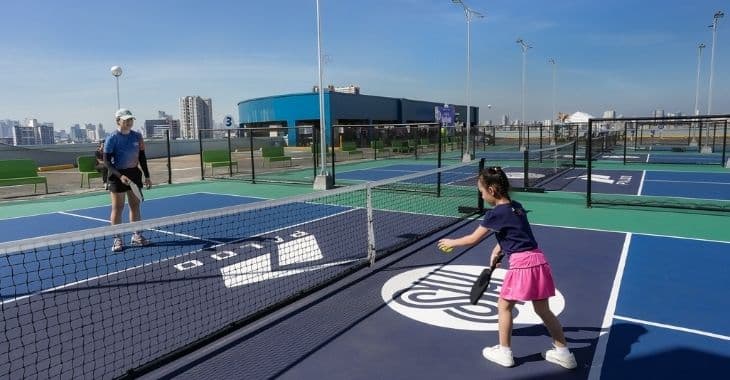
Malaysian pickleball noise dispute turns into viral late-night clash
A late-night court booking in Petaling Jaya turned into a viral clash over pickleball’s pek pok noise, widening a regional fight over court hours and quiet rules.
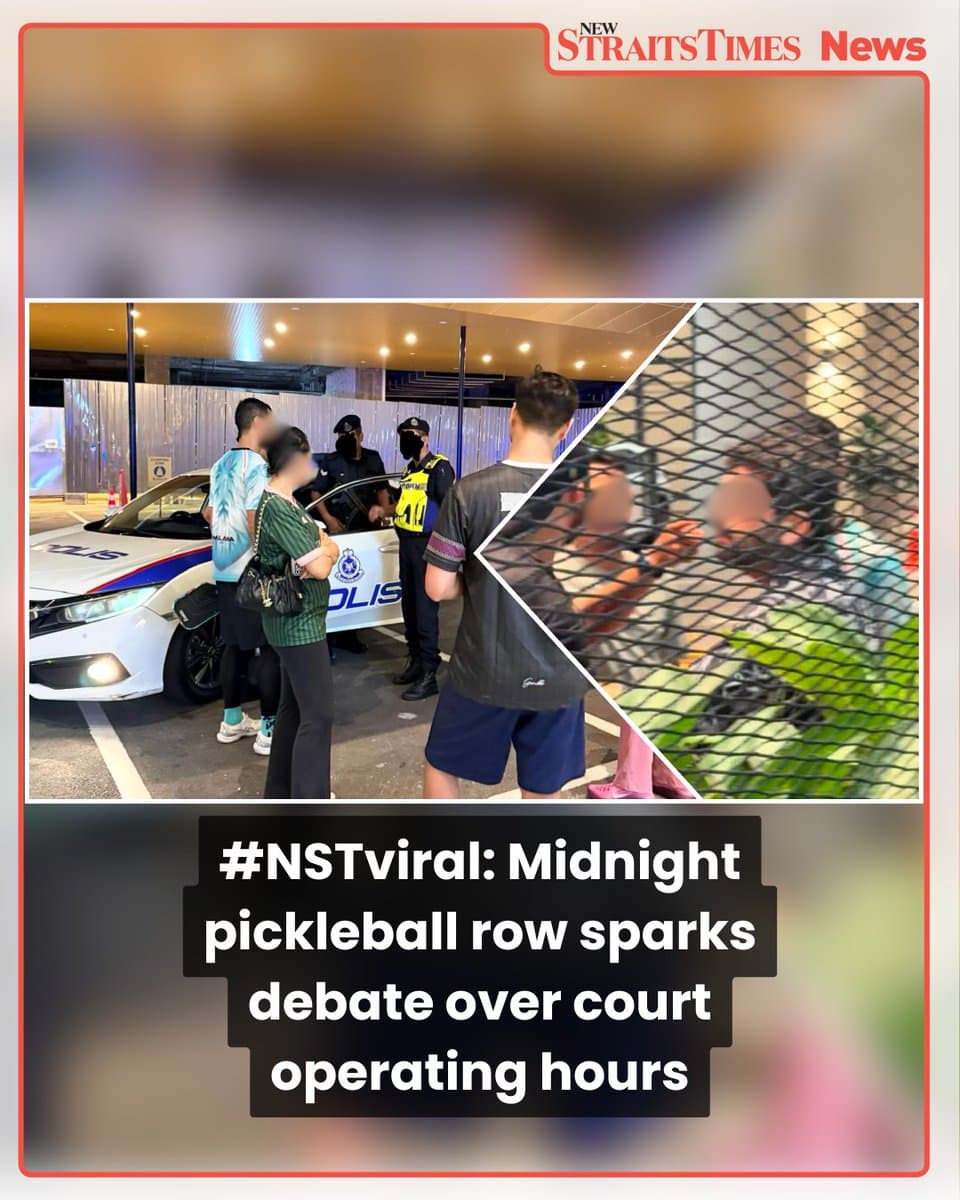
A midnight pickleball booking in Petaling Jaya has become a viral flashpoint for how Asia’s fastest-growing racket sport fits into dense housing. What started as a noisy session near a Malaysian condominium ended in a shouting match, an alleged physical confrontation, and a police call after a resident said he could not sleep.
The dispute began after Threads user zatizainl said she and her friends had booked a court from 10pm to midnight. According to her account, a resident confronted the group shortly before the session ended, shouting about the noise from pickleball’s sharp, repetitive “pek pok” sound. She said the argument turned physical, and police were later called, although the man had left before officers arrived.
The episode quickly widened into a larger argument over whether pickleball courts near residential areas should be allowed to operate until midnight. That question matters in places like Petaling Jaya, where apartment living, late hours and shared facilities leave little buffer between play and rest. The sport’s distinctive pop has become part of its appeal on court, but in high-density housing it is increasingly the source of complaints.
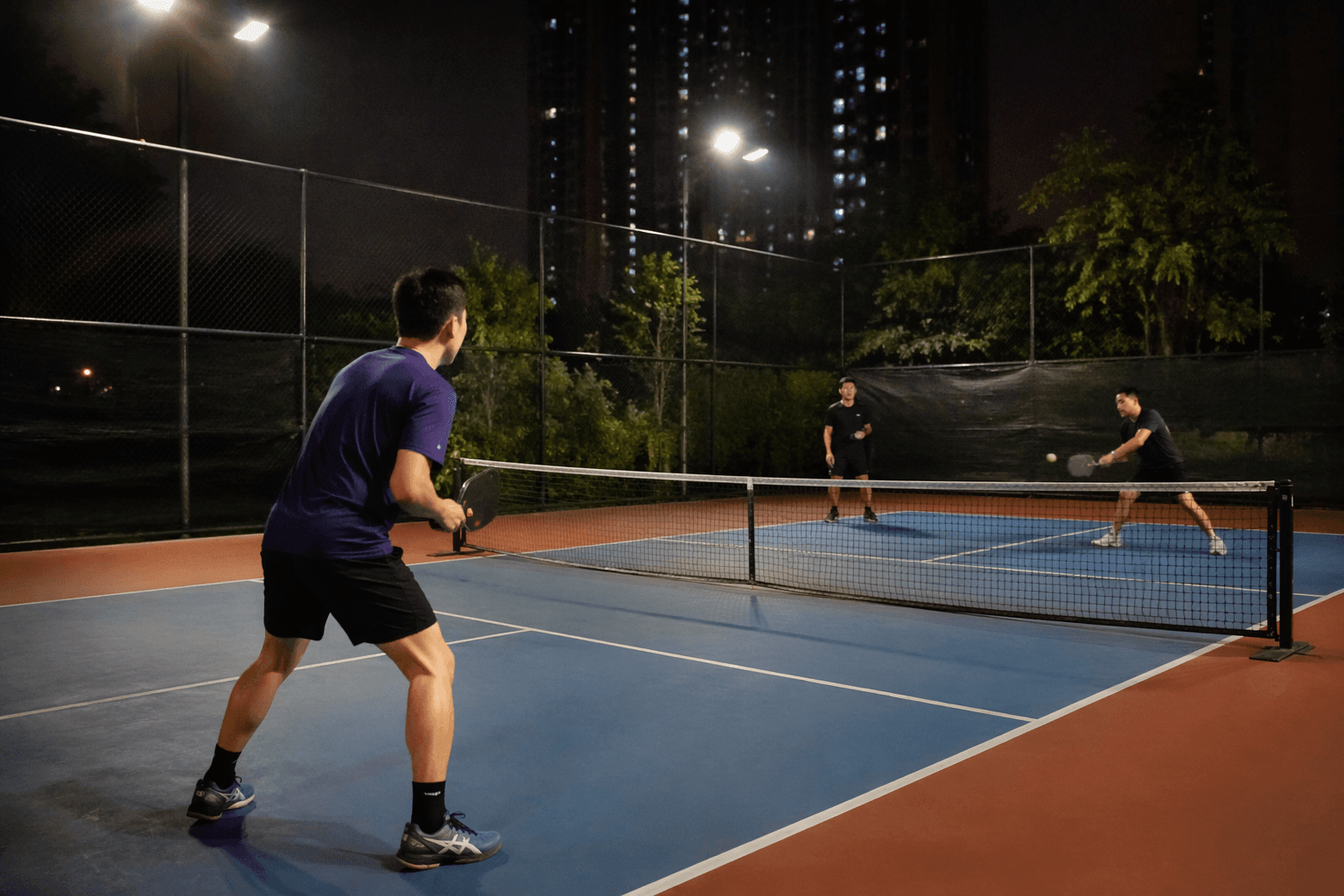
Malaysia is not dealing with the issue alone. In Singapore, Minister for National Development Chee Hong Tat said the Municipal Services Office received 701 complaints about pickleball noise in HDB estates between January 2024 and August 2025. He said town councils had responded with advisories, mediation and restricted court hours, while residents were also being reminded to follow quiet hours between 10:30pm and 7am under existing community noise guidelines.
Local compromises are already emerging. In Mountbatten, MP Gho Sze Kee introduced foam-ball-only pickleball sessions as a way to reduce the sharp sound generated when plastic balls strike hard paddles. Gho also said repeat inconsiderate behavior could lead to bans from booking community courts, a sign that noise control is starting to carry real access consequences.
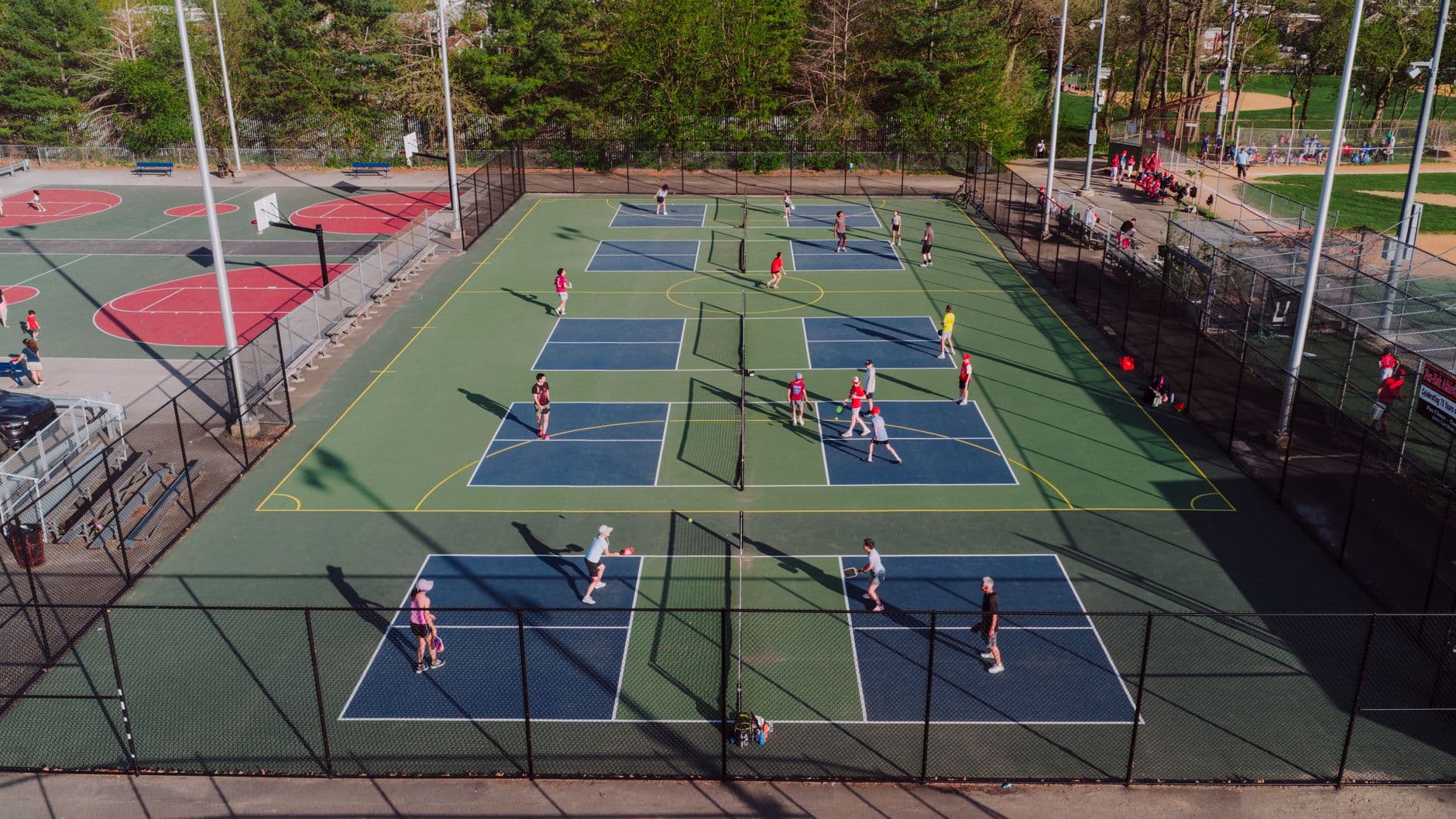
The pressure has reached the courts in Malaysia too. On May 15, 2026, the Ipoh High Court recorded a consent judgment in a noise case involving the Ipoh Swimming Club and homeowner Cheang Phoy Ken. The club agreed that no open-air pickleball games would be allowed next to Cheang’s house and said it would propose and pursue an indoor facility, subject to approvals. Cheang had alleged the outdoor court created a continuous nuisance, while the club was said to have used the space daily from 7am to 10pm.
What happened in Petaling Jaya was more than a neighborhood confrontation. It showed that as pickleball spreads across Asia, building managers, residents and local authorities are being pushed to redraw the rules for when, where and how the sport can be played.
This article was produced by Prism’s automated news system from verified source data, official records, and press releases, then run through automated quality and moderation checks before publishing. The system is built and supervised by the people who set the standards it runs under. Read our full AI policy.
Did this article answer your question?