Mall and Civic Partnerships Fuel Rapid Pickleball Growth in Asia
Mall and civic partnerships have driven a rapid rollout of pickleball courts across the Philippines and other Asian markets, creating a repeatable venue model.
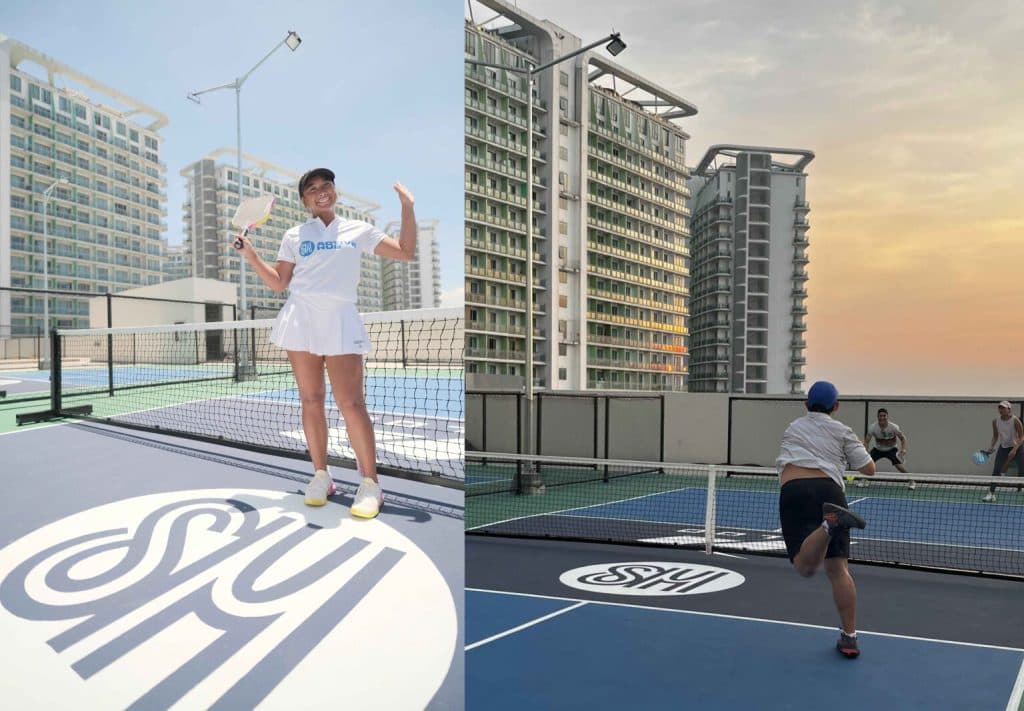
Mall-based and community-linked courts have emerged as one of the most reliable, rapid-expansion models for pickleball in the Philippines and several other Asian markets, a pattern that has accelerated through 2025 into 2026. The model pairs existing retail real estate and civic land with modest capital outlays to install courts, turning underused plazas and parking zones into playable surfaces that open daily to players of all ages.
The mechanics are straightforward: malls provide high-footfall locations and operating hours that extend into evenings, while local governments and civic bodies supply sites or streamline permitting, allowing operators to program lessons, free play and short-form events. That combination, repeated across multiple cities in the Philippines and replicated in several other Asian markets, has produced faster rollouts than standalone club builds and created visible, low-friction access points for newcomers to the sport.
Operators deploying the mall/civic partnership model report quicker community adoption because courts sit in places people already visit for shopping and dining, not tucked away behind membership barriers. The approach also lowers the break-even horizon for facility owners: construction and surfacing costs are amortized across retail traffic and civic-use windows, and operators can schedule pay-for-play hours alongside free community hours to balance revenue and outreach. These financial mechanics have made the model especially attractive to regional developers and precinct managers seeking predictable returns on adaptable space.

The ripple effects are practical for competition and player development across the Philippines and neighboring markets. Publicly accessible courts in mall corridors and civic plazas create staging grounds for age-group clinics, beginner leagues and short-format tournaments, expanding the base of players without the need for full-time private clubs. That scalable event pipeline is critical for markets that want to move from casual play to organized competitions while keeping participation rates high.
As of March 8, 2026, the mall-and-civic formula stands as a repeatable blueprint across multiple Asian cities, offering a clear pathway for municipalities and property owners to accelerate court availability. For stakeholders planning the next phase of growth, the model's mix of retail visibility and municipal cooperation provides a measurable route to broaden participation and build the sport’s infrastructure quickly.
This article was produced by Prism’s automated news system from verified source data, official records, and press releases, then run through automated quality and moderation checks before publishing. The system is built and supervised by the people who set the standards it runs under. Read our full AI policy.
Did this article answer your question?