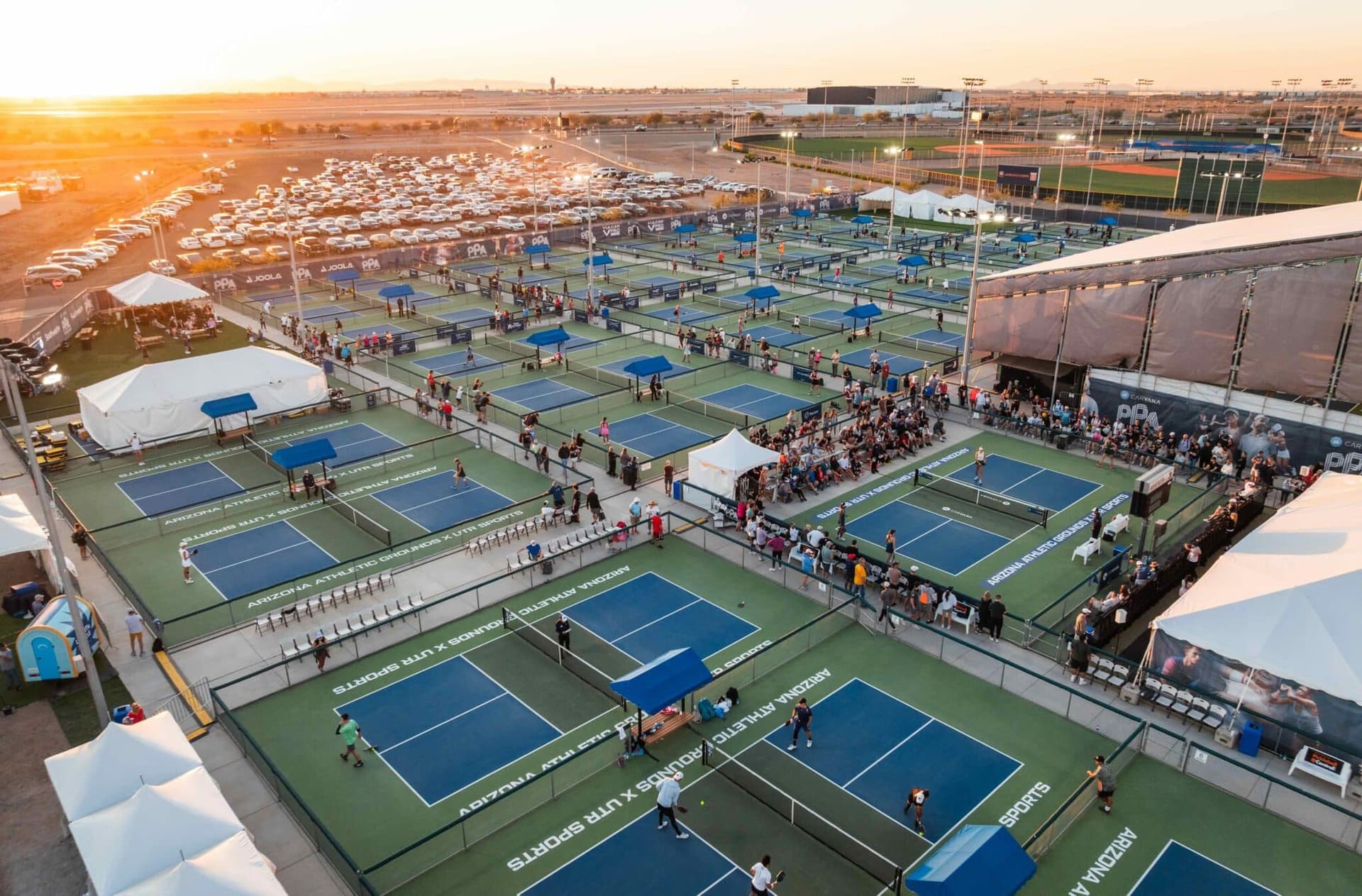
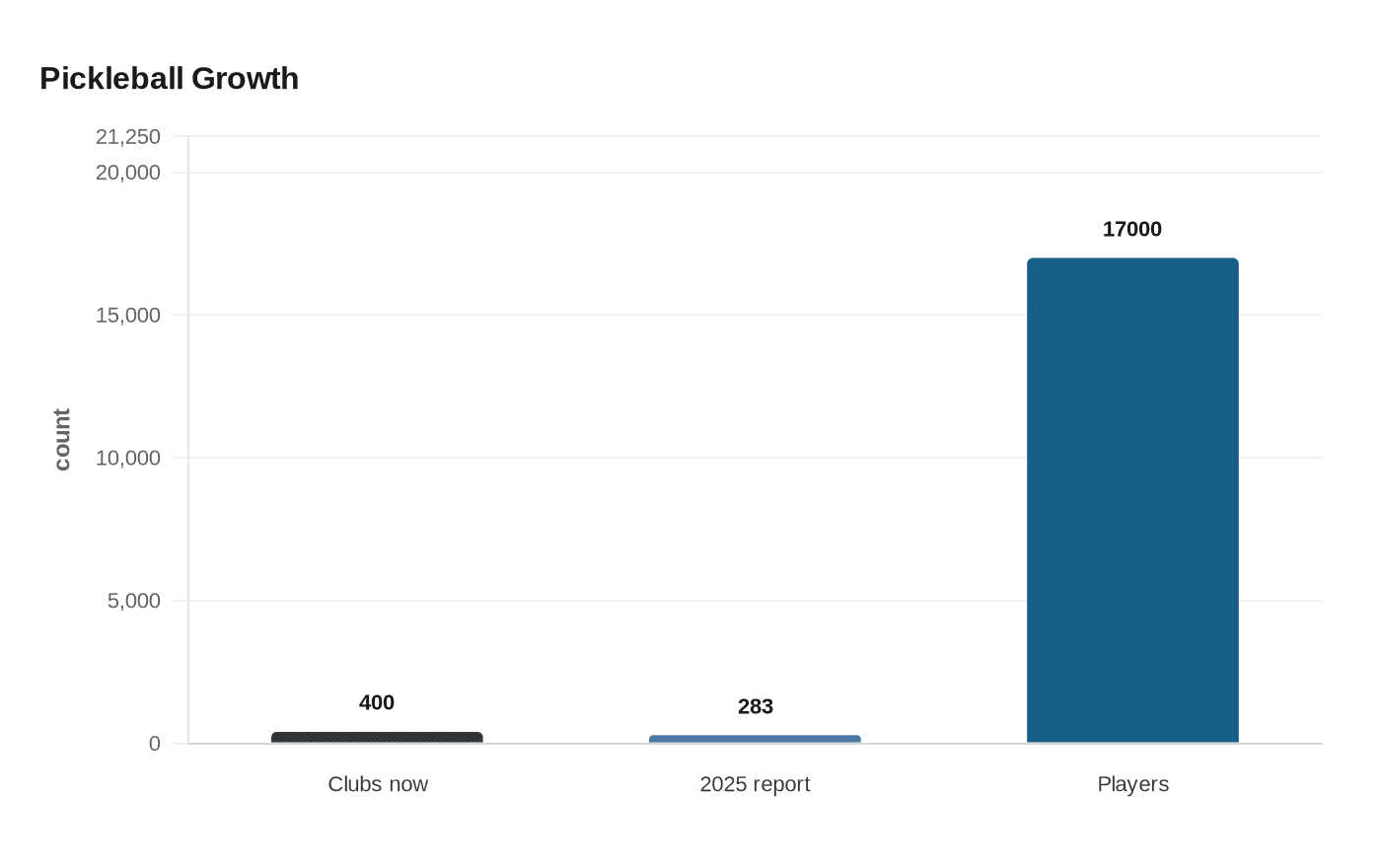
Philippine Pickleball Federation cracks down as clubs surge past 400
Pickleball in the Philippines has exploded past 400 clubs, and the federation is now using cease-and-desist orders to rein in unauthorized events, branding and equipment.
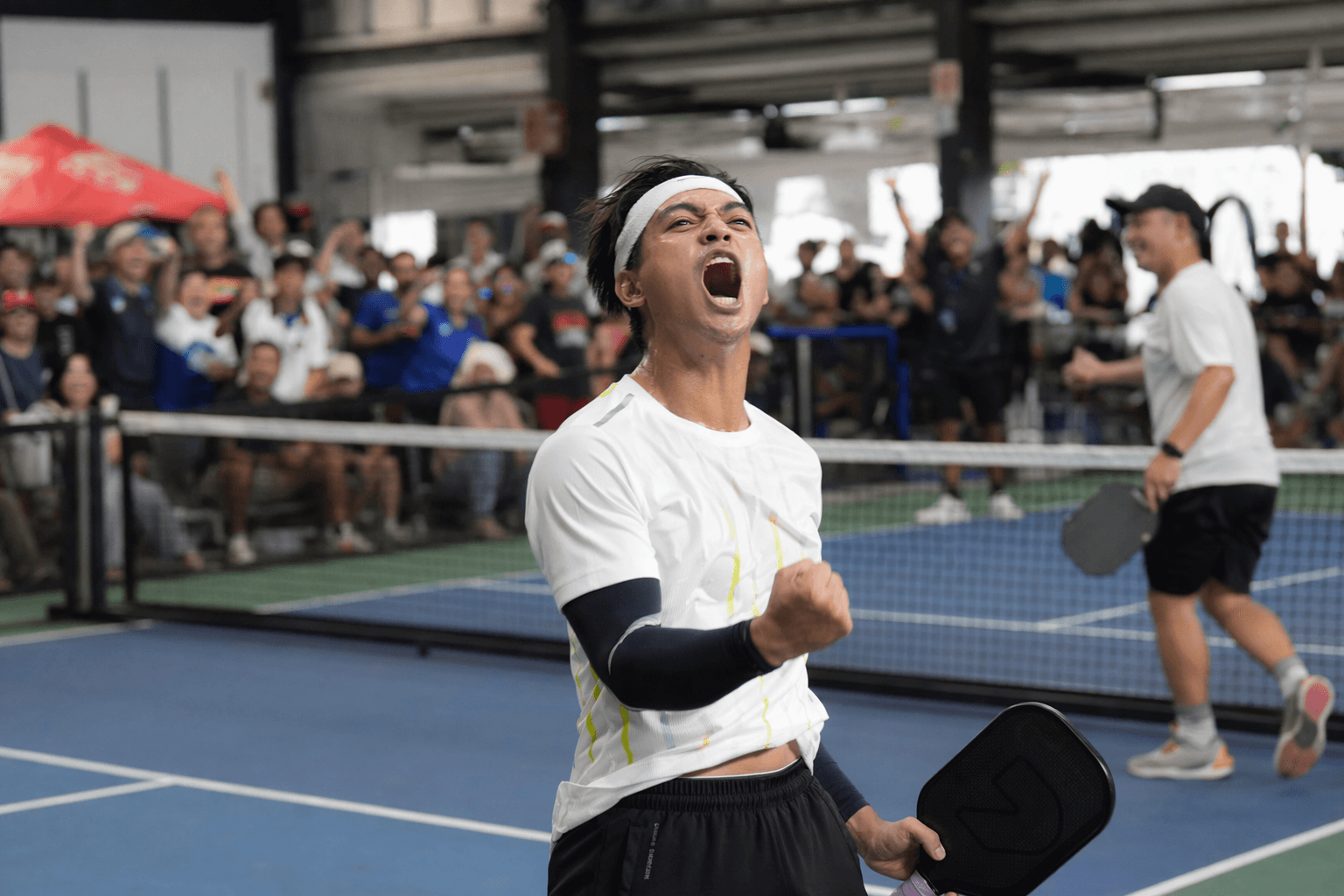
The Philippines’ pickleball boom has outgrown the rulebook that was supposed to contain it. With clubs now past 400, the Philippine Pickleball Federation has begun issuing cease-and-desist orders against unauthorized events and branding, a sharp sign that the sport’s biggest problem is no longer participation, but control.
That tension is the central story of the game’s rise in the country. The first pickleball clinic was held in Cebu in 2016, the first club followed in 2017, and the sport moved from a few scattered groups to more than 250 member clubs and 17,000 registered players nationwide. One 2025 report put the federation at 283 member clubs, underscoring how quickly the network kept expanding before governance started to lag behind it.
The federation, which traces its roots to the Philippine Pickleball Sports Association founded on April 15, 2019, has tried to tighten the system this year with a unified national framework and player registry. Its setup includes sanctioned tournaments, a 12-month rolling rankings dashboard and a 2026 calendar meant to keep organizers from colliding on dates. That matters in a sport where every extra weekend of competition can mean another club, another bracket and another claim to authority.
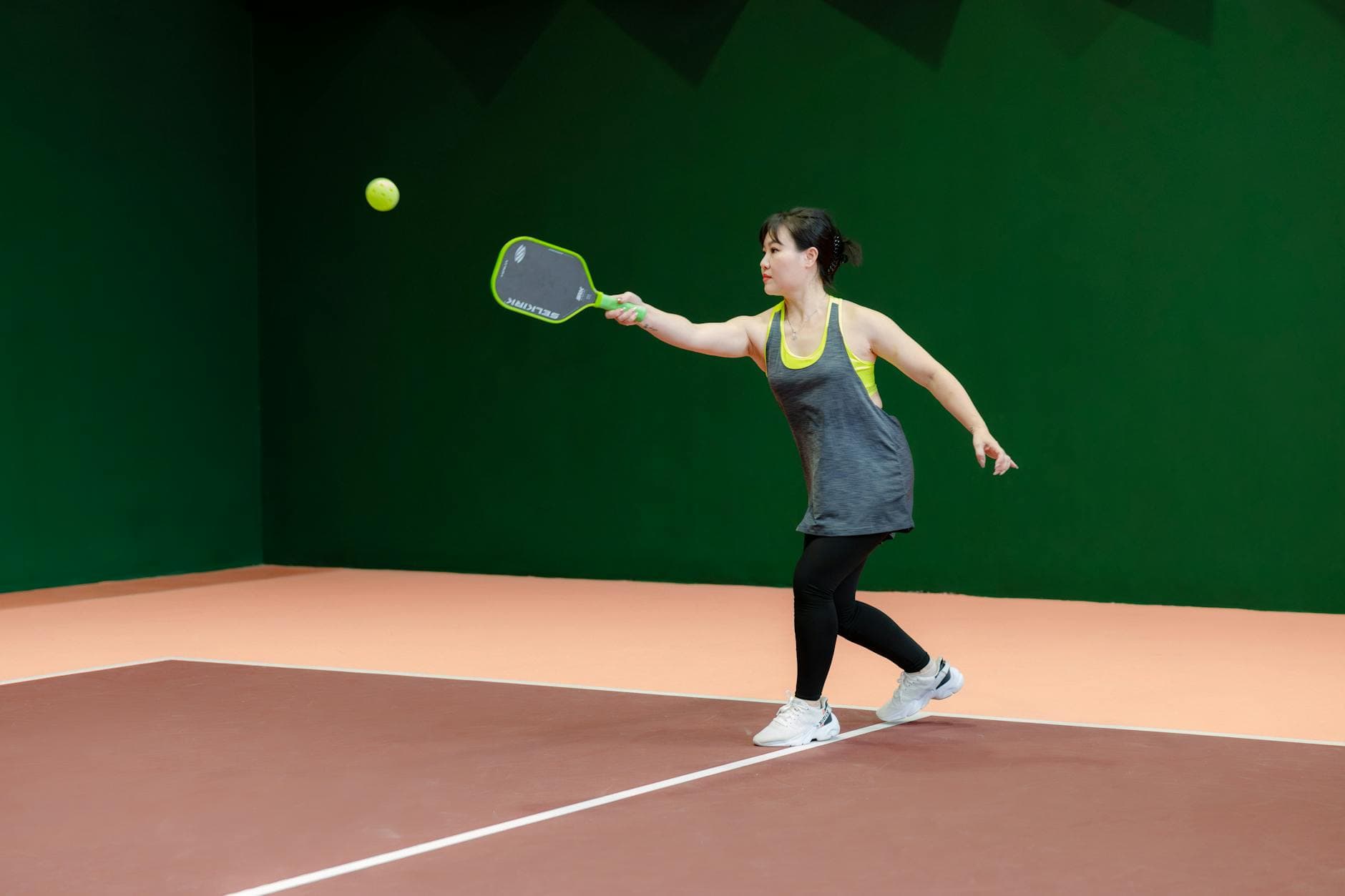
The stakes go far beyond housekeeping. The Philippine Olympic Committee formally welcomed the federation as the country’s National Sports Association for pickleball on April 14, 2024, and the group says it was recognized by the International Federation of Pickleball as the national sports association for the Philippines. ABS-CBN reported in February 2026 that the federation is recognized by both the Philippine Sports Commission and the Philippine Olympic Committee, giving its crackdown real institutional weight.
The Intellectual Property Office of the Philippines has also pushed the issue into sharper focus. It warned that counterfeit equipment can flood the market and undermine fair play, and it tied pickleball’s fragmented global landscape to a bigger Olympic problem: recognition depends on a single governing body and standardized rules. That is why the federation’s adoption of the 2026 USA Pickleball Rulebook for some events, along with rally scoring in those tournaments, reads like more than a technical update. It is a bid to look legitimate enough for the next level.
The pathway already runs through international competition. Winners from the 1st Philippine Pickleball Amateur Nationals in Las Piñas from March 28 to 30, 2026 were set to represent the country at the EPIC World Amateur Championships in Singapore from April 30 to May 3. And with IPOPHL framing the Olympic horizon around Brisbane 2032, the message is clear: if Philippine pickleball cannot police its own brands, events and rules now, it will struggle to convert this grassroots surge into something credible on the Asian and Olympic stage.
This article was produced by Prism’s automated news system from verified source data, official records, and press releases, then run through automated quality and moderation checks before publishing. The system is built and supervised by the people who set the standards it runs under. Read our full AI policy.
Did this article answer your question?