Philippines pickleball boom opens new investment opportunities in Cebu
Cebu is emerging as the proof-of-concept for Asia’s pickleball economy, where court demand, mall investment, and federation growth are turning a fast-rising sport into a real market.
Cebu is no longer just the place where Philippine pickleball took root. It is becoming the clearest sign that the sport has moved beyond novelty and into an investable growth market, one that now pulls in venue operators, mall developers, and the tech and services that make repeat play possible.
What makes the Cebu case persuasive is not only the number of courts, but the business logic around them. Pickleball is proving it can fill repurposed spaces, bring players back week after week, and support a mix of coaching, socialising, food and beverage spending, and event activity that looks more like an experience economy than a one-off sports booking.
Cebu as the sport’s commercial test case
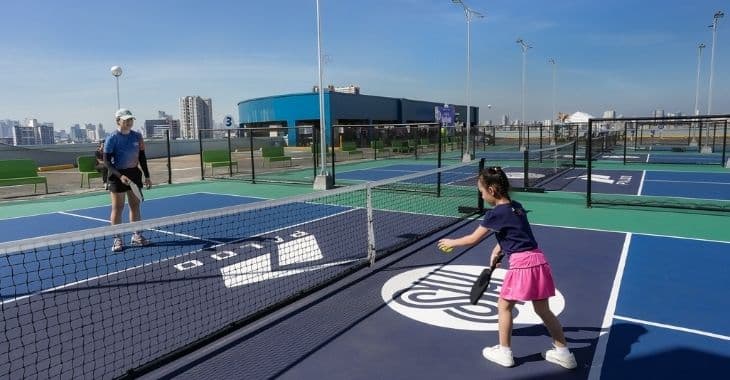
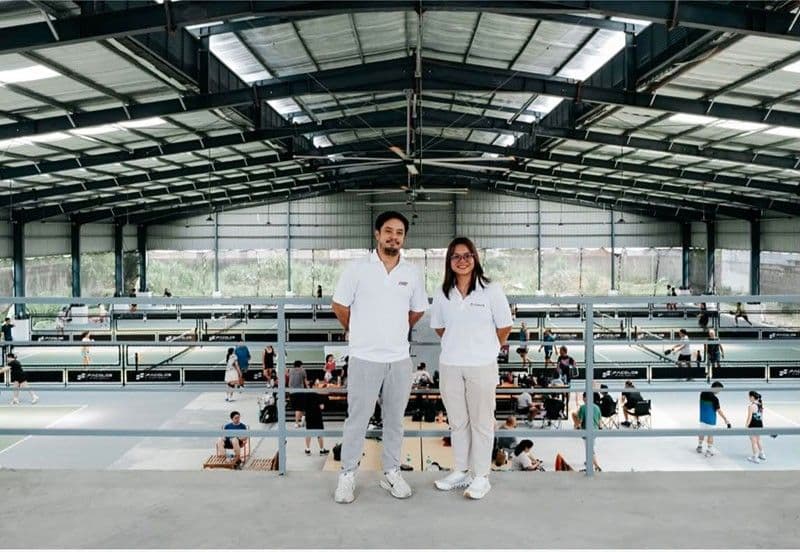
The Courts of Cebu captures the shift neatly. The venue in Cebu City has 8 indoor US-standard pickleball courts, operates daily from 10AM to 10PM, and starts court rentals at 550 per hour, with parking and rentals available. That combination points to a format investors understand: a steady flow of users, a predictable booking rhythm, and a place that can function as a social club as much as a play site.
That is the wider story inside the Philippines. The rapid rise of pickleball and other fitness-oriented recreational activities is opening a new avenue for investment, driving demand not only for sports facilities but also for the technology platforms and lifestyle businesses that support them. Booking systems, community platforms, event operations, and digital services all become more valuable once casual players turn into repeat customers.
From grassroots curiosity to organised infrastructure
The Philippine Pickleball Federation’s history shows how quickly the sport has matured. It says pickleball first arrived in the Philippines in 2016 through Cebu clinics led by Filipino-American player Sara Ash. The first dedicated venue followed in June 2017 at the LDS Church in Makati, then street pickleball took hold in Ortigas Center, Pasig, beginning in April 2018 and becoming an early hub for regular Saturday evening play.

That early momentum did more than create enthusiasm. The federation says it built the first Philippine club directory and ambassador directory to help coordinate clubs and visitors, a sign that the sport was already generating the kind of administrative load that usually comes with scale. By April 2019, the federation had hosted a second clinic and its first inter-club tournament at The Upper Deck Sports Club in Pasig, another marker that play was becoming structured, competitive, and easier to grow nationally.
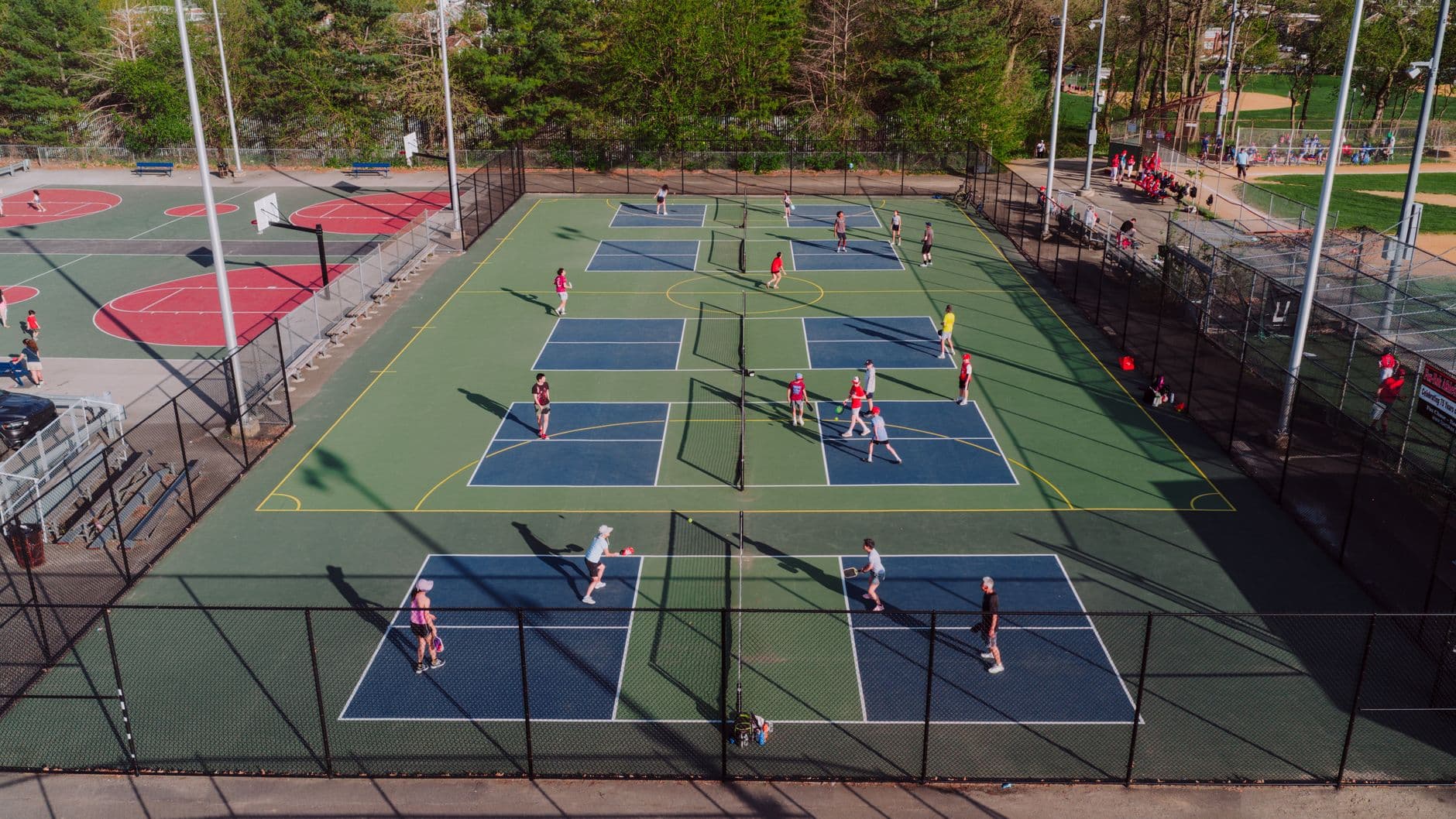
The current footprint is much larger. The Philippine Pickleball Federation’s website lists 444 clubs and 1,114 courts nationwide, while recent third-party coverage places the recognized base at more than 330 clubs and over 900 courts. Even with the difference in reporting, the direction is unmistakable: pickleball is no longer a fringe pastime. It is building a real nationwide network.
Why malls are paying attention
The clearest institutional bet has come from mall-based expansion. SM Active Hub said in late May 2026 that it had reached 86 pickleball courts across 29 malls nationwide, calling it the country’s largest mall-based pickleball network. That scale matters because malls do not usually chase trends unless they see repeat traffic, dwell time, and the possibility of converting play into broader spending.
Pickleball fits that model unusually well. It is accessible to beginners, compact enough to fit into existing or repurposed footprints, and social enough to keep people around after a match ends. For a mall developer, the sport is not just about renting court time, it is about activating underused space, creating a reason to visit more often, and turning a game into a lifestyle habit.
That is why Cebu matters beyond Cebu. If the sport can support an indoor club model there, and if mall operators can scale it across 29 malls nationwide, the Philippines begins to look like a regional template for how pickleball can grow in Asia. The story is not only about more courts. It is about the infrastructure around the courts.
Competition is now part of the commercial story
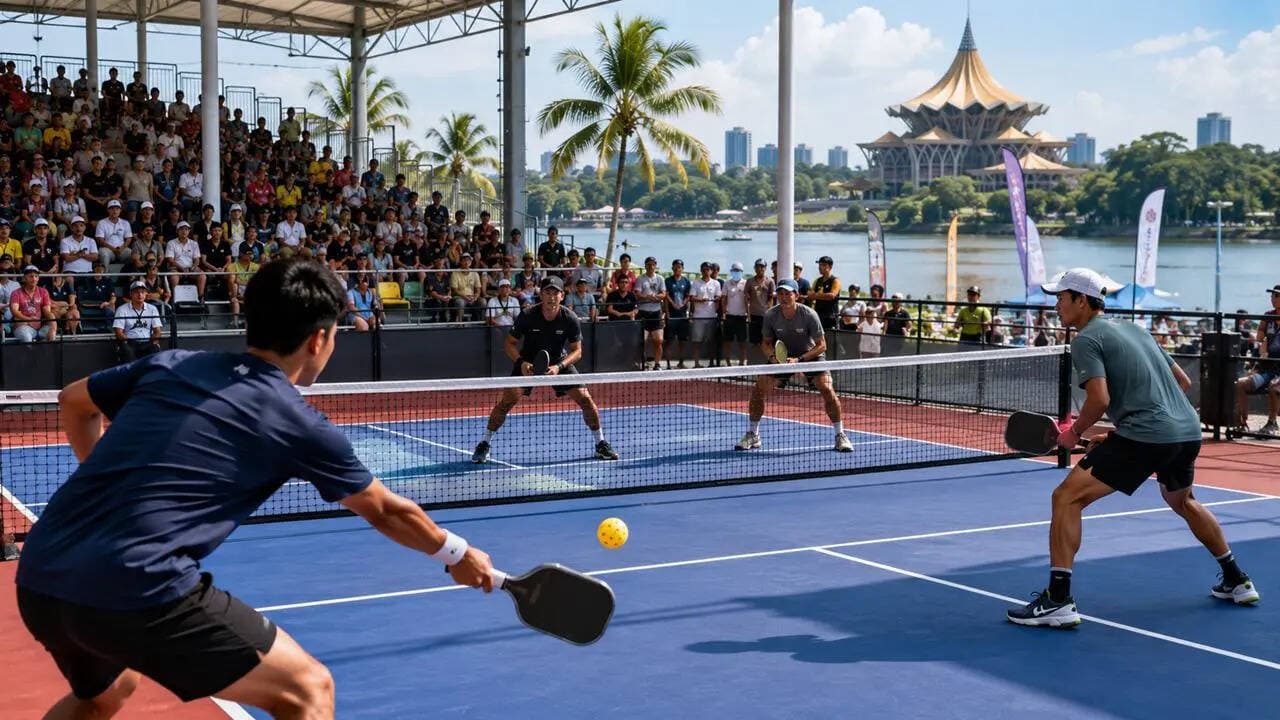
The next phase is no longer purely recreational. The Philippine Pickleball Federation is calling on the country’s top elite players to qualify for the 2026 Pickleball World Cup in Da Nang, Vietnam, scheduled for August 30 to September 5, 2026. That international pathway changes the economics of the sport, because it gives federations, clubs, and venues a reason to invest in higher-level training, organized events, and better player development.
When a sport moves from pickup play to national selection, the market around it usually widens. Coaching becomes more valuable. Tournament operations become more important. Facilities need better scheduling, stronger event management tools, and clearer membership systems. Even equipment adoption becomes part of the story, because a growing player base needs more courts, more inventory, and more consistent service.
A regional template in the making
The Philippines now offers a useful model for the rest of Asia. Cebu shows how a local scene can become a national commercial signal. Makati and Ortigas Center show how the sport moved from the street to organised venues. SM Active Hub shows how large developers see pickleball as traffic, not just recreation. And the federation’s World Cup push shows that the sport is gaining the institutional structure needed to keep growing.
That is why this boom feels different from a passing fad. The strongest evidence is not hype, but repetition: more clubs, more courts, more mall locations, more structured events, and more reasons for players to return. In the Philippines, pickleball is starting to look less like a trend and more like an ecosystem, and Cebu is where that future is easiest to see.
This article was produced by Prism’s automated news system from verified source data, official records, and press releases, then run through automated quality and moderation checks before publishing. The system is built and supervised by the people who set the standards it runs under. Read our full AI policy.
Did this article answer your question?