Pickleball Boom in Kathmandu: From Two Nets to Over 30 Courts
Pickleball has surged in Kathmandu from two portable nets to more than 30 courts, signaling rapid urban growth that matters for planning, coaching and equipment supply across Asia.
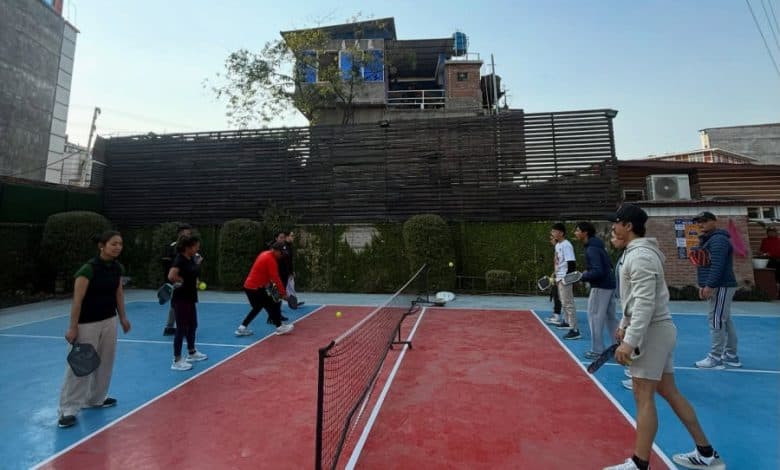
What began as informal rallies with two portable nets and a handful of paddles has become a visible urban movement in Kathmandu. In a matter of years the city has grown to more than 30 courts, driven by travelling enthusiasts who introduced the game and by local organisers who turned casual play into structured training and regular participation across age groups.
Pickleball Association Nepal has been central to that transition, formalising sessions and helping players of different generations take to the smaller court. Organisers report the sport moved from friendly weekend matches to scheduled coaching blocks and more consistent attendance, with juniors, working adults and older players all finding space in the rotation. That shift from ad hoc play to organised programming is a milestone for a sport still establishing its footprint in Asia.
The boom exposes both opportunity and constraint. Infrastructure limits in Kathmandu - compact neighborhoods and scarce sports real estate - were flagged as a primary challenge. Organisers also identify a need for more structured programmes, broader access to paddles and balls, and sustainable models for court use in tightly packed urban areas. Those practical hurdles highlight where public and private investment will be required if growth is to continue beyond grassroots enthusiasm.
The pattern in Kathmandu matters to other Asian cities with similar density and limited recreational land. Pickleball’s small court dimensions and low barrier to entry make it well suited to urban retrofit, but scaling requires coaching pipelines, reliable equipment supply chains and management of shared spaces. For businesses, this translates into market opportunities for local equipment suppliers, coach education providers and facility operators. For city planners and sports authorities, it means rethinking multi-use scheduling and modest capital investment in lines and nets rather than full-court construction.

There are also cultural and social implications. The sport’s cross-generational appeal is already reshaping local recreation habits, creating new social circuits and weekend economies tied to lessons, casual play and small tournaments. That breadth of participation can feed talent pathways if organisers prioritise youth coaching and competition structures.
Kathmandu’s rapid expansion from two nets to over 30 courts is a practical case study in how pickleball can spread through urban Asia: fast, adaptive and contingent on logistics beyond enthusiasm. The next phase will test whether organisers can convert momentum into durable programmes - more trained coaches, better equipment access and sensible use of scarce court space - so that the city’s pickleball culture moves from boom to sustainable sport.
This article was produced by Prism’s automated news system from verified source data, official records, and press releases, then run through automated quality and moderation checks before publishing. The system is built and supervised by the people who set the standards it runs under. Read our full AI policy.
Did this article answer your question?