Pickleball drives call for Malaysia to invest in sports, health facilities
Ling Tian Soon used a media pickleball mini-tournament in Ampang to urge immediate investment in sports and health facilities to tackle ageing and high NCD rates.

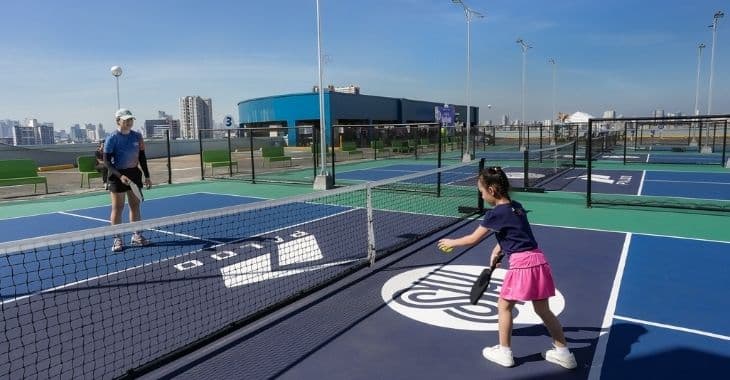
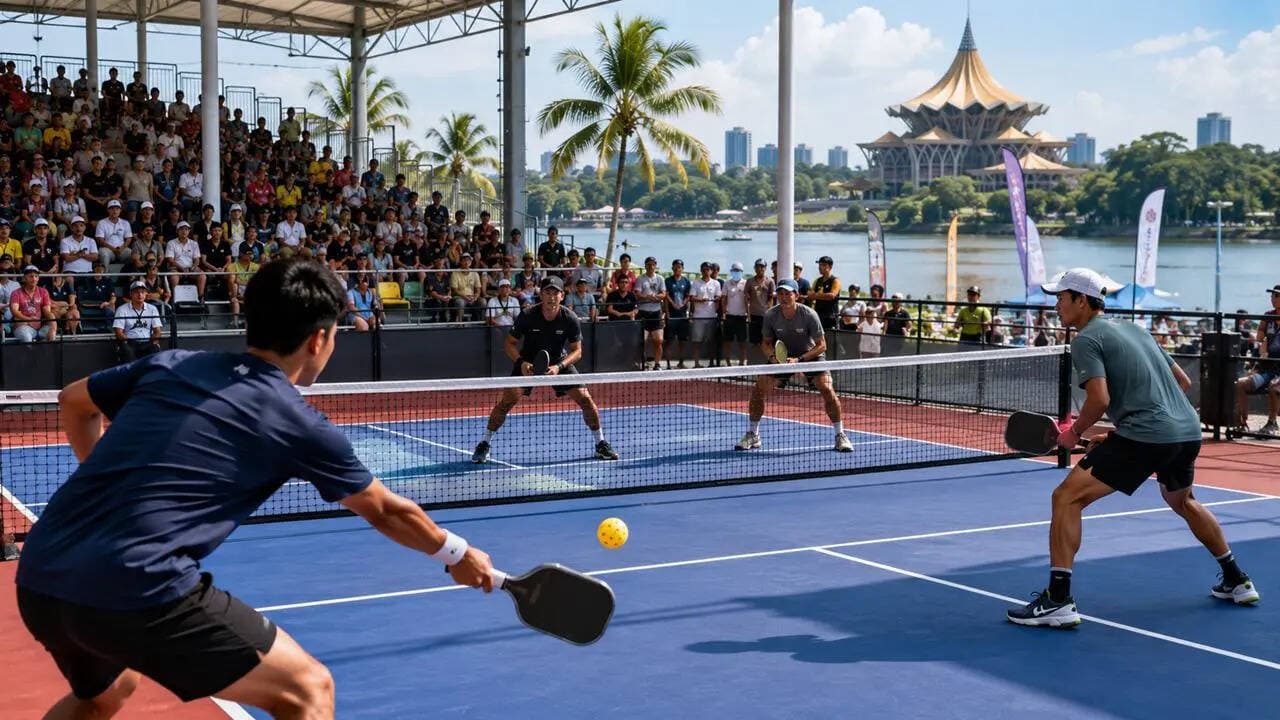
“We need to start planning and building more sports and healthcare facilities before the crisis becomes too serious,” Ling Tian Soon, MCA Youth chief, told reporters during a media pickleball mini‑tournament in Ampang. The event, organised by MCA Youth and held on Wednesday, Feb 11, drew over 10 pairs of teams from various media agencies to play at the Ampang venue identified in coverage and pictured at the Grand Pickleball Arena. The winner took home a small prize and certificate, but Ling used the friendly competition to press a larger point about public health and infrastructure.
Ling argued that early investment will yield long‑term gains: “By doing this, we can prepare our youth to be healthier by the time they start to get older.” He tied sport promotion directly to national health priorities, warning that targeted activity could help “tackle our high rate of non‑communicable diseases (NCDs), which is one of the highest in the region.” Ling urged authorities to nurture markets for trending sports and to “consider hosting more public tournaments on trending sports that everyone can join, as well as promoting the sports to more members of the public.”
Those calls sit alongside recent government moves to institutionalise pickleball and broaden participation. YB Hannah Yeoh, Minister of Youth and Sports, has pointed to domestic policy steps: “One of the first things we did in 2023 was to gazette pickleball as a sport,” a change that took Malaysia’s list of officially gazetted sports from 51 to 103. The minister has described fiscal nudges as consequential, calling the new measures a “game changer” after the government introduced a RM1,000 tax deduction for sports in 2024 and expanded the scheme in 2025 to include sports training for parents of taxpayers.
Industry indicators underscore rapid uptake. Pickleball sector coverage cited Courtsite reporting 35,000+ monthly court bookings in April, a metric YB Hannah used to urge players, coaches, and organisers to keep tracking growth so data can back future policy and investment decisions. The minister also urged organisers to keep the Asia Pickleball Summit in Kuala Lumpur, saying, “Malaysia should remain the heart of pickleball in Asia,” while warning that governance infighting could hamper long‑term sustainability; cooperation and clarity, she noted, will be essential as the sport gains visibility and money.

For sports entrepreneurs and facility operators, pickleball’s cross‑generational appeal is a market signal. Economically viable court pipelines and community programming could unlock private investment and justify public capital in multiuse sports and health centres, while tax incentives make family‑level investment in fitness more attractive. Culturally, pickleball’s low barrier to entry and social nature - from dinks in the kitchen to aggressive third‑shot drives - position it as a mobiliser for everyday movement across age groups.
What comes next is clear: more data, more courts, and clearer governance. Ling’s push for facilities and Hannah’s policy toolkit point toward a season in which pickleball could be the wedge that accelerates Malaysia’s broader investment in public health through play.
This article was produced by Prism’s automated news system from verified source data, official records, and press releases, then run through automated quality and moderation checks before publishing. The system is built and supervised by the people who set the standards it runs under. Read our full AI policy.
Did this article answer your question?