Pickleball Paddles, Balls and Gear for Asian Players: Tech, Brands, Climate
Pickleball's rise in Asia makes gear choices crucial as climate, shipping and local brands shape paddle, ball and accessory decisions for players of all levels.

Pickleball, one of the fastest-growing sports globally, has gained significant traction in Asia, where more recreational and competitive players are embracing the game. That surge is forcing players and retailers to think beyond logos: material science, weight, grip size and core technology now shape how players control spin, speed and endurance in heat and humidity.
Choosing the right paddle can significantly impact your pickleball performance, especially as the sport continues to grow in Asia. For players moving from casual recreational play to club-level competition, the basic decision set is simple but consequential. Pickleball paddles are primarily made from three materials: wood, composite, and graphite. Traditional and budget-friendly, wood paddles are common for beginners. They offer a solid, durable feel, but they can be heavier and less forgiving than modern materials. The tropical and humid conditions in much of Asia may also affect the durability of wooden paddles over time, as moisture can cause the wood to warp.
Beyond wood, composite and graphite faces and a range of core technologies determine how a paddle translates intention into result. Weight affects swing speed and court stamina, while grip size changes wrist control on dinks and fast exchanges at the kitchen line. Core technology - polymer, nomex or aluminum honeycomb in common industry parlance - alters pop and vibration; players seeking precision routinely trade some power for touch. As you move through different stages of your pickleball journey, consider the material, weight, grip size, and core technology that best suit your playing style and local climate conditions.
Brand dynamics in Asia are shifting. International names like Selkirk and Paddletek are readily cited as top-selling options, but several local Asian brands are also emerging to meet demand and reduce reliance on costly cross-border shipping. For tournament-minded players, equipment availability and shipping lead times can influence practice patterns and kit turnover; for recreational players, price and durability in humid conditions often trump marginal performance gains.
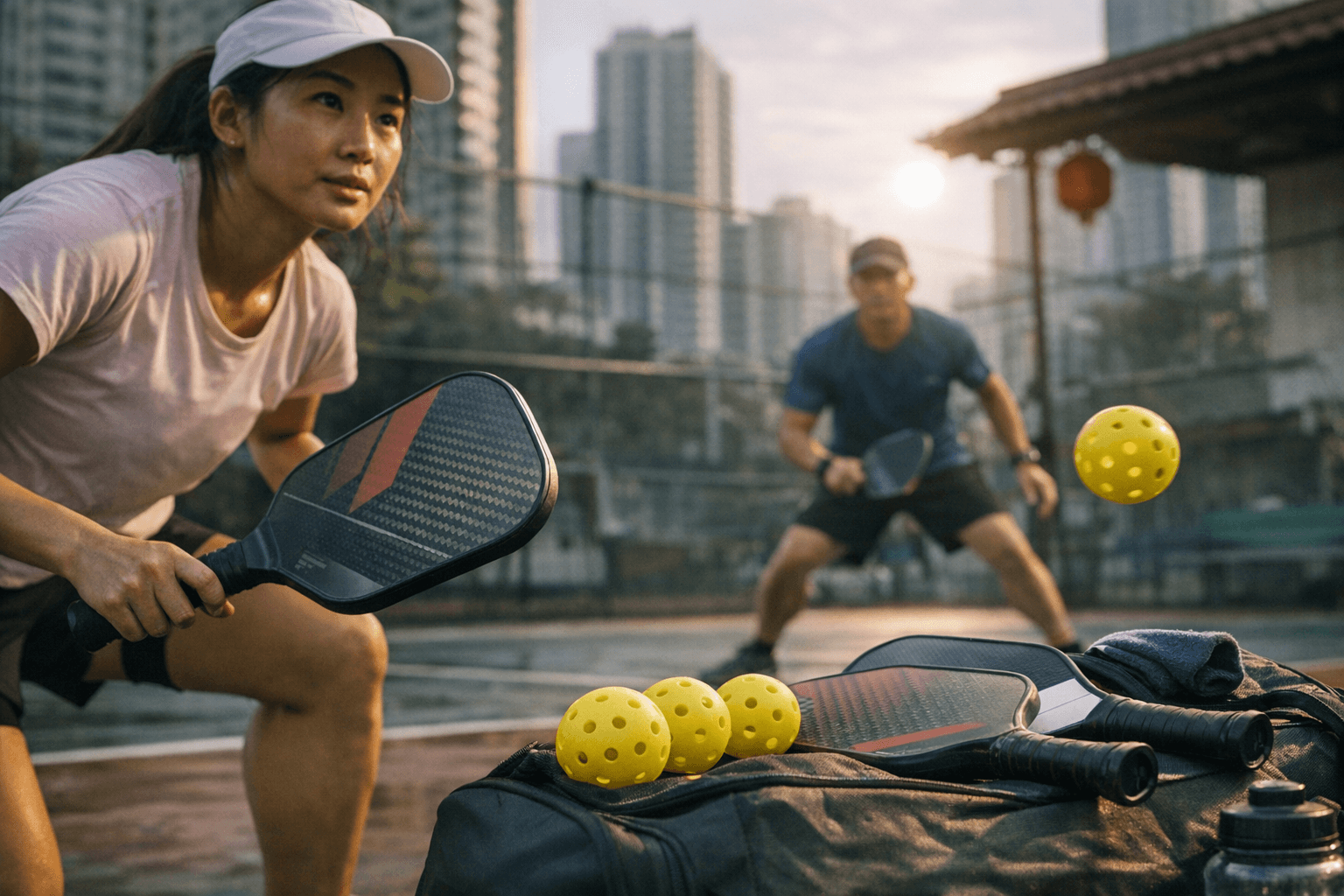
Balls, shoes and accessories complete the performance equation even though specific recommendations were not provided in the available material. Ball choice matters for outdoor courts in monsoon-prone regions versus air-conditioned indoor venues. Shoes optimized for lateral movement and durable overgrips help players preserve hands and paddles through heavy use in club leagues and social sessions.
This market evolution has broader cultural and business implications: local manufacturing can lower costs and support grassroots expansion, while gear innovation will follow playstyles favored in regional courts. For Asian players balancing budget, climate resilience and competitive edge, the practical path is clear: match paddle materials and core tech to your tempo, prioritize grip and weight for control, and weigh the economics of local versus imported brands. Happy playing!
This article was produced by Prism’s automated news system from verified source data, official records, and press releases, then run through automated quality and moderation checks before publishing. The system is built and supervised by the people who set the standards it runs under. Read our full AI policy.
Did this article answer your question?