Pickleball surges in Kerala as new venues fuel state growth
Kerala’s pickleball boom is moving beyond novelty, with permanent courts, school play and senior-friendly games building a real statewide market.
Kerala becomes pickleball’s everyday market
Permanent courts are changing the way Kerala plays. What began as a niche activity on badminton floors has spread into a state-wide ecosystem where children, working adults and seniors now share the same sport, the same venues and, increasingly, the same schedule. That mix is what makes Kerala stand out: this is no longer a pop-up craze built around a few weekend players, but a growing sports habit anchored by dedicated infrastructure.

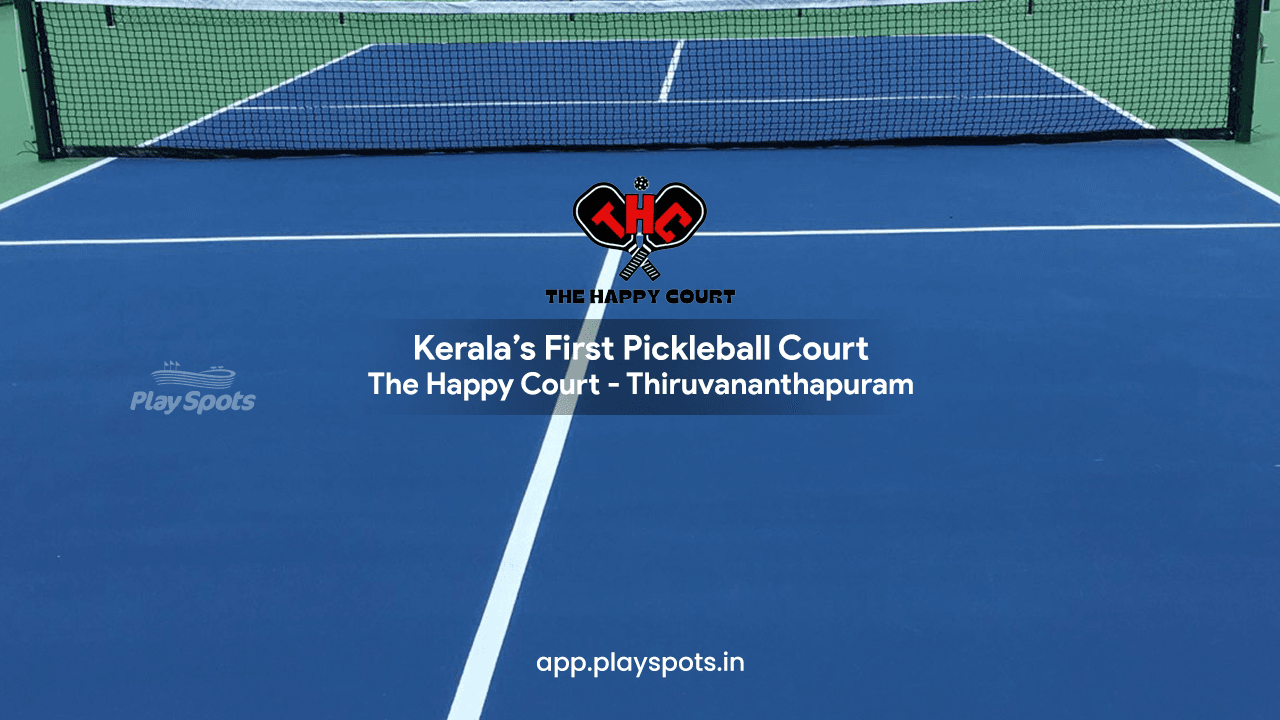
Thiruvananthapuram is the clearest sign of that shift. Entrepreneurs there moved after seeing pickleball take off in Bengaluru and Chennai, then brought the sport home with exclusive venues such as Spinz Pickleball, The Happy Court, Sportonix Pickleball and Zero Fitness Performance Studio. In a city where the game first found traction on badminton courts, those permanent spaces changed the equation: players could return regularly, beginners could learn properly and the sport began to feel like part of daily life rather than a one-off novelty.
From borrowed courts to a real ecosystem
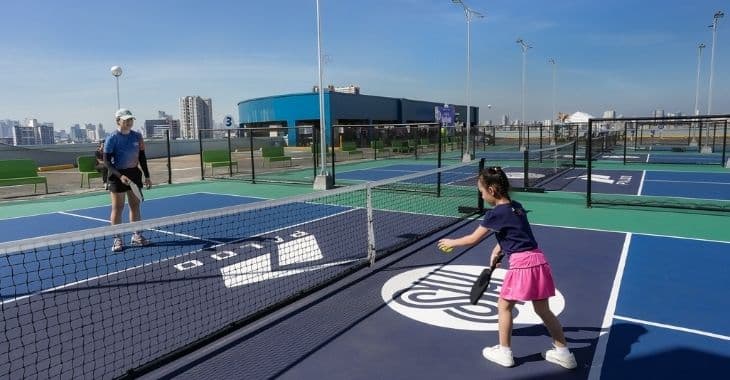
Pickleball’s rise in Kerala follows a pattern seen in many new sports markets: it starts informally, then grows once facilities are built for it instead of adapted for it. The sport, which originated in the United States in the 1960s, is played on a 44 ft by 20 ft court, with underarm or drop serves and a no-volley zone. Those dimensions make it compact enough to fit into urban spaces, which helps explain why the game has gained traction in Kerala’s dense city corridors.
The early challenge was awareness. The Happy Court’s co-founder said many of the first players had to be taught the game for free because most people simply did not know what it was. That is changing fast. As more courts opened and word spread through clubs and community play, demand began rising within months, and the game moved from curiosity to routine.
That routine matters. A sport becomes durable when it fits into everyday schedules, and pickleball does that better than many larger-field sports. It is quick to learn, easier on the body than many racket sports, and accessible enough for mixed-age participation. In Kerala, that has opened the door for families to play together instead of sorting themselves into age-based lanes.
The numbers behind the surge
The growth is not just anecdotal. One 2025 report said Kerala had at least 25 courts and expected that number to reach 40 the following year. A separate report in May 2026 put the state at around 30 to 40 active courts, showing that the infrastructure push is already well underway. Another 2025 report said Kerala had more than 100 active players, a small base by mainstream-sport standards but a meaningful sign of early-stage momentum.
The bigger Indian picture is even stronger. The Indian Pickleball Association says it now covers 27 states, has more than 50,000 players, 100-plus ranking tournaments and 500-plus professional players. Sportstar reported that registered players under the All India Pickleball Association rose from about 10,000 in 2021 to about 60,000 in 2024. For a sport still building public recognition, that kind of jump suggests the market is not just growing, it is organizing.
Kerala’s advantage is that its growth is happening in public view. Instead of one-off exhibition events, the state is building courts, clubs and competition pathways at the same time. That combination is what keeps a sports boom from burning out. Players need somewhere to go after the first month of enthusiasm, and Kerala is beginning to provide exactly that.
Competition is raising the ceiling
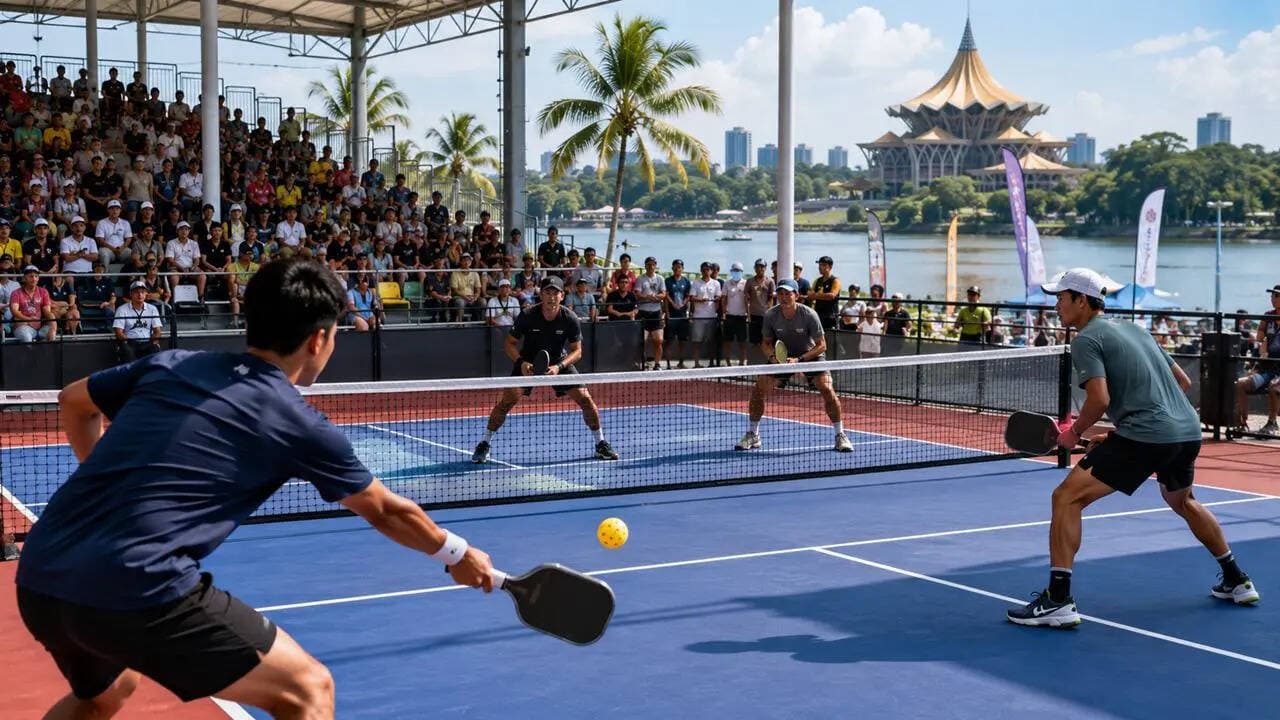
The level of play is rising alongside the number of venues. The Trivandrum Pickleball Open, a PWR 50 event, drew more than 100 players, 150 entries and a prize pool of 66,000. That kind of turnout matters because it gives the sport a competitive ladder, not just casual traffic. Once players can test themselves in ranked events, the ecosystem begins to resemble a real pathway rather than a social pastime.
That pathway now runs into the Kerala State Championship, which served as selection trials for the IPA Nationals 2025 in Bengaluru. The state is no longer operating in isolation; it is feeding into the national structure, and that raises both the stakes and the standards. Players are not only trying to win locally, they are trying to break into a broader Indian circuit where rankings, exposure and selection matter.
The announcement of the Kerala Premier Pickleball League, or KPPL, pushes that trend further. Billed as the state’s first pro pickleball league, it is designed to create a local route for talent identification, training and exposure. That is the sort of institutional step that separates an emerging scene from a sustainable one. Leagues create schedules, identities and rivalries, and those are the ingredients that keep players, sponsors and venues invested.
Why Kerala could become the model
Kerala looks important because it is building breadth, not just buzz. The sport is showing up in major city hubs like Thiruvananthapuram, but it is also being introduced into schools and public spaces, which is how participation becomes sticky. If children encounter pickleball early, and if seniors can play without needing specialized athleticism, then the game becomes intergenerational in a way many sports never do.
That breadth is exactly why Kerala may become a model for sustainable growth in India. A state with 30 to 40 active courts, more than 100 active players in one reported snapshot, a growing club network and a pro league announcement is not chasing a short-lived trend. It is assembling a sports economy with entry points for beginners, pathways for competitive players and enough facility depth to keep people coming back.
The wider Asian context strengthens that case. The Asian Pickleball Association was established in 2023, and India is positioning itself to compete at the Pickleball World Cup 2026 in Da Nang, Vietnam. Kerala’s progress fits into that larger move from local courts to regional relevance. If the state keeps pairing permanent venues with organized competition, it will not just ride the pickleball wave, it may help define how the sport settles in across India.
This article was produced by Prism’s automated news system from verified source data, official records, and press releases, then run through automated quality and moderation checks before publishing. The system is built and supervised by the people who set the standards it runs under. Read our full AI policy.
Did this article answer your question?