Playbook Helps Asian Universities Build Durable, Scalable Pickleball Programs
A practical playbook for athletic directors, student orgs, and campus rec teams to build durable, scalable pickleball programs on Asian campuses, based on observed best practices from schools that recently added courts.

Athletic directors, student organizations, and campus recreation managers across Asia are adding courts and turning short-term interest into repeatable campus programs. This playbook distills observed best practices from institutions that have recently added courts and shows how to move from one-off pop-ups to durable, scalable programs that survive leadership turnover and budget cycles.
1. Define leadership, ownership, and governance
Create a single accountable owner, typically the campus recreation director or a named athletic department lead, so court scheduling, budget decisions, and safety protocols don’t bounce between offices. Observed programs that last name a responsible unit and a student representative see fewer conflicts and clearer capital renewal plans. Make bylaws or an MOU that specify who approves court hours, who budgets for nets and paddles, and who handles incident reports.
2. Right-size court inventory and location
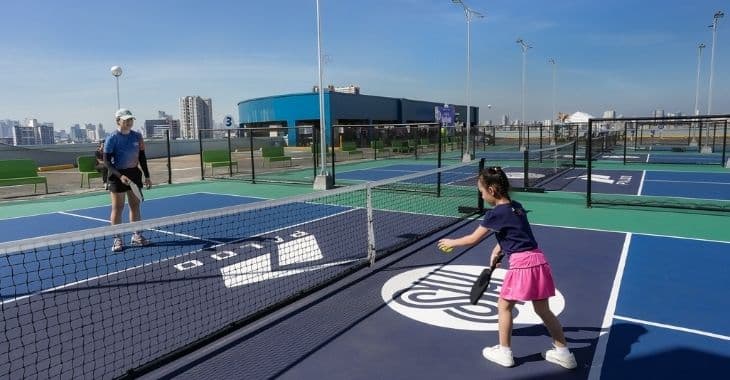
Start with the number of courts that matches demonstrated demand, then add modular capacity. Institutions that recently added courts learned that overbuilding creates dead time and underused maintenance costs; build enough for peak classes and a growth buffer. Locate courts where foot traffic and visibility help recruitment, near student unions, intramural centers, or recreation hubs, so casual players find the sport without a long commute.
3. Build to durability: surfaces, fencing, and maintenance plans
Choose surfaces and infrastructure designed for high-use campus settings so courts last a decade with routine care. Durable flooring, UV-stable windscreens, and lockable equipment storage reduce replacement cycles and recurring operational headaches. Include a maintenance schedule and an equipment-replacement line in the annual budget to avoid deferred repairs that end programs.
4. Create a phased financial model
Map capital, operating, and replacement costs across multi-year cycles so pickleball isn’t a surprise line item. Programs that recently added courts separated start-up capital from recurring costs, using a mix of central capital funds, student activity fees, and targeted sponsorships. Set clear fee policies (free open-play windows, modest court rental at peak hours) to cover cleaning, staff, and supplies without pricing out students.
5. Operationalize scheduling and staffing
Establish staffed open-play windows, coached sessions, and reserved windows for clubs and academics to keep courts busy and revenue predictable. Observed best practices show staffed peak hours improve safety and retention; train campus rec staff on basic officiating, first aid, and court rotation. Use a single online booking system operated by recreation so students and faculty don’t rely on informal messaging chains.
6. Grow student leadership and a club governance pipeline
Make student organizations a third leg of the program: clubs sign an agreement with campus rec to run intramurals, clinics, and tournaments. Programs that empower student leaders with budgets and governance responsibilities maintain continuity when staff change. Create a handbook for club officers that captures policies, vendor contacts, event templates, and risk-management procedures to shorten transition friction.
7. Layer programming: lessons, leagues, and community outreach
Offer a clear ladder: learn-to-play clinics, open-play hours, competitive intramural leagues, and intercollegiate teams. Schools observed adding courts paired the new courts with beginner clinics and faculty-student socials to close the churn gap, novices became committed players when they saw a clear next step. Use short-term clinics to populate courts early and convert casual attendees into league participants.
8. Align with academic and extracurricular calendars
Integrate pickleball programming with the academic calendar to avoid summer or exam-period drops in attendance. Successful campuses schedule coach-led introductory sessions in the first three weeks of term and reserve midterms/exam blackout windows. Partner with student services to include pickleball in wellness weeks and orientation to capture new students and staff.
9. Measure what matters: utilization, retention, and revenue per court
Track utilization (hours per court per week), player retention (repeat attendees after eight sessions), and revenue per court to make data-driven expansion decisions. Programs that recently added courts used simple metrics to justify additional courts or staffing and to report impact to finance offices. Regularly report these figures to university leadership to secure recurrent funding rather than one-off capital grants.
10. Protect continuity with supplier and vendor relationships
Lock in equipment suppliers and court contractors with multi-year service agreements to stabilize price and lead times. Institutions that negotiated recurring deliveries for nets, balls, and paddle maintenance avoided program interruptions. Keep a vendor contact list and warranty documentation in the program handbook for quick problem resolution.
11. Create a visible events calendar and alumni pathway
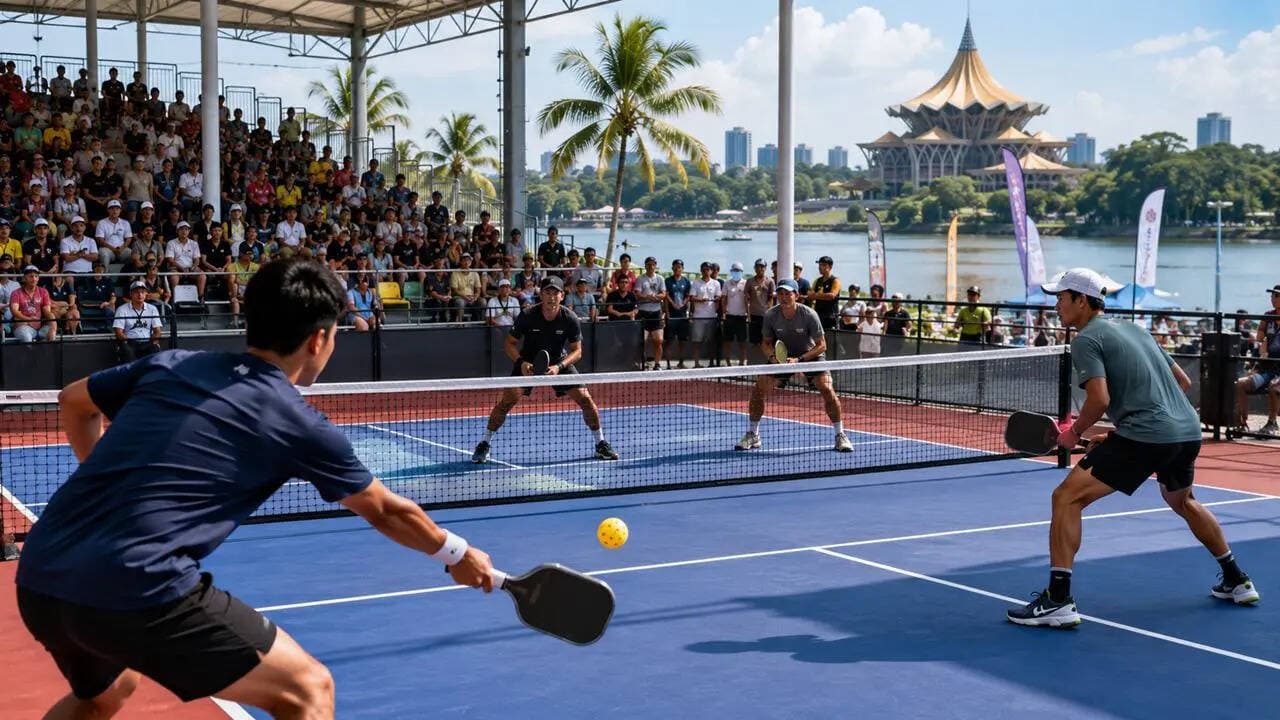
Schedule marquee intramural finals, faculty-student charity matches, and alumni socials so pickleball becomes part of campus culture. Visibility drives recruitment: courts near student centers with frequent events attract casual players who turn into club leaders. Use alumni events to raise funds for court upgrades and durable capital projects.
12. Plan for scale and capital renewal
When demand grows, move from adding temporary courts to a capital plan that includes drainage, lighting, and restroom access. Programs that plan for capital renewal from day one avoid the familiar boom-bust cycle where courts fall into disrepair after initial enthusiasm wanes. Have a documented five-year capital forecast and a defined replacement reserve.
- Start small, measure fast: piloting two courts with tracked metrics reduces risk and proves demand.
- Institutionalize paperwork: a short MOU between campus rec and the student club prevents turf battles.
- Keep safety visible: staffed sessions and posted rules reduce complaints and liability exposure.
Tips for on-the-ground success
Final point Pickleball on Asian campuses succeeds when technical choices, surfaces, bookings, staffing, are married to clear institutional ownership and measured growth. This playbook uses observed decisions from institutions that have recently added courts to convert short-term excitement into multi-year programs; follow these steps to make pickleball a durable, scalable part of campus life rather than a seasonal fad. 100% of readers currently view content without sharing, turning that passivity into advocacy starts with visible, well-run programs that campus communities will promote on their own.
This article was produced by Prism’s automated news system from verified source data, official records, and press releases, then run through automated quality and moderation checks before publishing. The system is built and supervised by the people who set the standards it runs under. Read our full AI policy.
Did this article answer your question?