Riyadh’s Filipino community drives Saudi Arabia’s pickleball rise
Riyadh’s pickleball surge is being built by Filipino expats, but the next test is turning a fast-growing club scene into lasting Saudi adoption.

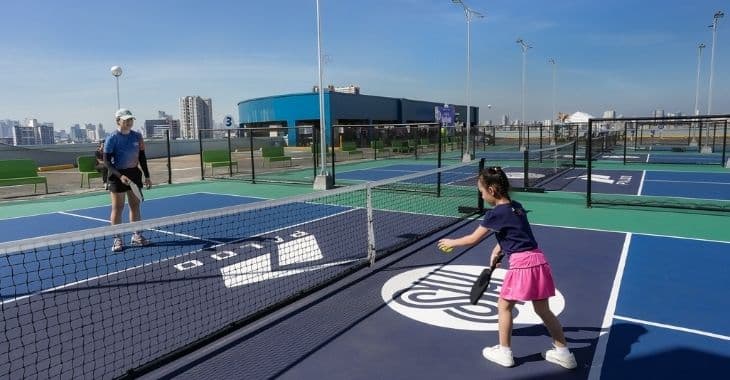
Kabayan Riyadh Pickleball is showing how a sport can take root in Saudi Arabia before the institutions catch up. Built inside Riyadh’s Filipino community, the club has jumped from about 10 players to around 200 members in just one year, a scale of growth that points to real demand rather than a passing fad.
A community first, a club second
The story begins with people, not policy. Kabayan Riyadh Pickleball was founded by Raul Palenzuela Jr and Wilson Loren, with Tournament Director Junar Gunita helping shape its development, and that origin matters because it reflects how pickleball often spreads in new markets: friends bring in friends, families bring in families, and a loose playing group gradually becomes an organized club.
That social engine has been especially important in Riyadh, where expatriate communities have helped seed activity before broader local systems fully formed. The club’s rise suggests that Saudi Arabia does not need to wait for a top-down sports plan to create interest. The interest is already there, building through everyday participation and the kind of repeat play that turns casual newcomers into a durable scene.
From 10 players to a tournament culture
The jump from roughly 10 players to around 200 members in one year is more than a feel-good number. It signals a club that has moved beyond introduction and into retention, enough to support organized competition and future expansion.

That next step arrived with Kabayan Riyadh Pickleball’s first-anniversary celebration on June 10, 2026, when the group staged a glow-in-the-dark tournament billed as the first ever held in Saudi Arabia. The event mattered because it gave the club a visible milestone, but it also showed how quickly a niche activity can become an event culture. Once a club can stage its own tournaments, it stops looking like a small recreational circle and starts looking like a local sporting institution.
The wider Riyadh ecosystem is already forming
Kabayan Riyadh is not operating in isolation. A separate Riyadh pickleball network says Saudi Pickleball has more than 500 male and female amateur and professional players of all ages and nationalities under the Saudi Sports for All Federation umbrella. That figure suggests the city is already developing a broader base, even if much of it is still centered on community-led play rather than mass-market visibility.
The court map is improving too. A Riyadh court directory lists 11 pickleball courts in the city, and all 11 are described as public and free to play. That kind of access matters because growing sports do not scale on enthusiasm alone. They need convenient places to play, enough court time to build habits, and a playing environment that lowers the barrier for first-timers.
For Saudi pickleball, that is the real shift underway. The question is no longer whether a small group can generate buzz. The question is whether Riyadh can keep converting that buzz into a stable ladder of access, coaching, competition, and community use.
What is still missing for broader Saudi adoption
Even with the momentum, the leap from compound clubs to a broader Saudi player base still depends on infrastructure and institutional support. Public courts are a start, but sustained growth usually requires more than availability alone. It needs scheduled programming, beginner outreach, youth entry points, and a clearer pathway from casual play to structured competition.
The Saudi Sports for All Federation sits at the center of that next phase because it is the national umbrella most likely to influence how community sport is supported across the Kingdom. If pickleball is going to move from expatriate clusters into a wider Saudi participation base, the sport will need more visible integration into community sport systems, more consistent court access, and more promotion that reaches beyond the circles that already know the game.
That is the challenge for any sport that begins in a tight-knit diaspora. The first wave arrives through familiarity. The second wave requires translation, from the club that people already trust to the institutions that can carry the sport into schools, neighborhoods, and public facilities.
Saudi Arabia fits a bigger Asian pattern
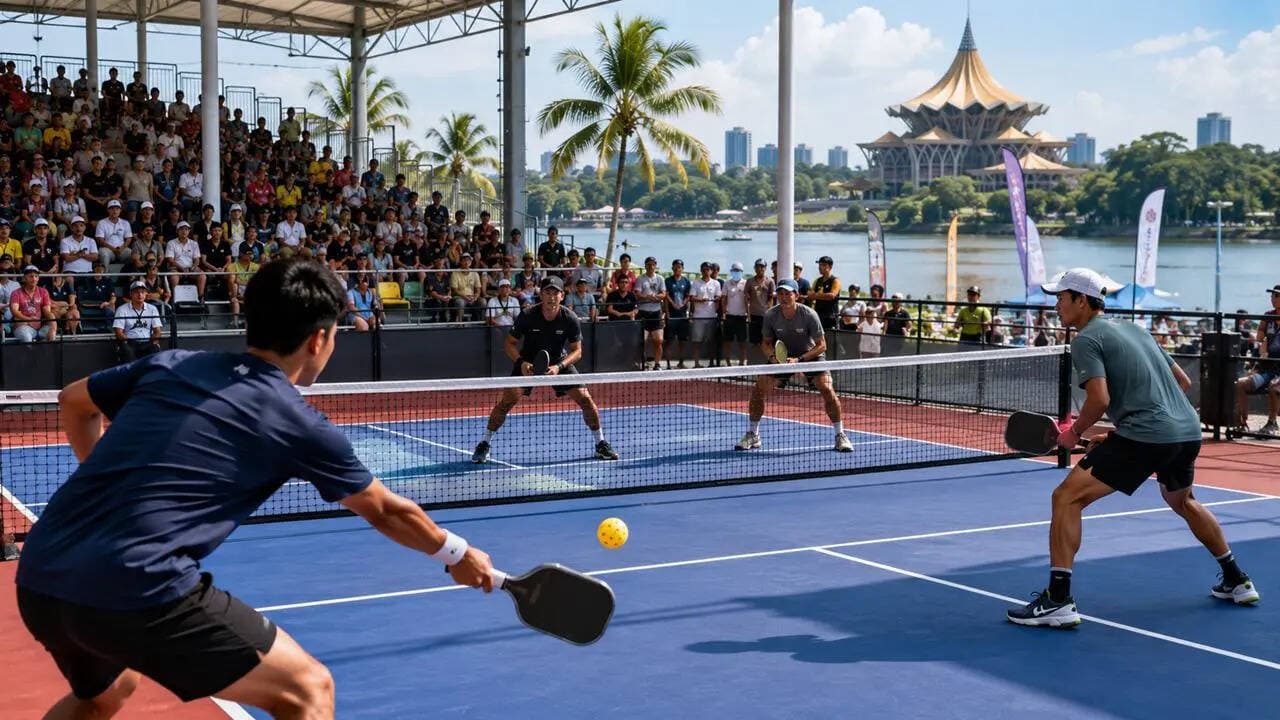
Riyadh’s story also belongs in a much larger Asia-Pacific surge. Recent regional research cited in coverage says 1.9 billion people across 12 Asian territories have heard of pickleball, 812 million have played at least once, and 282 million play at least monthly. Vietnam and Malaysia are among the fastest-growing markets, which helps place Saudi Arabia on the same regional growth curve, even if it is still earlier in its development.
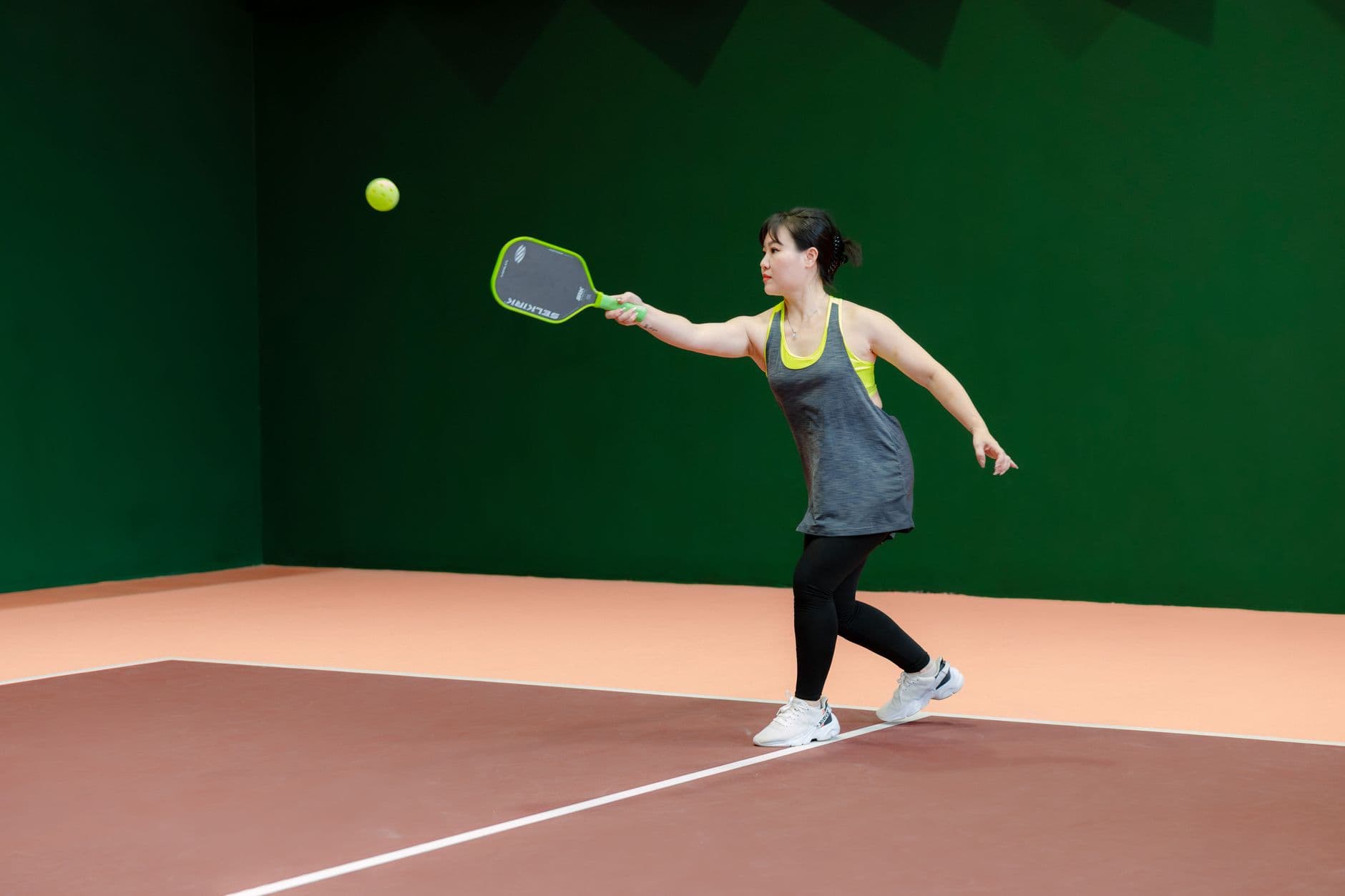
That comparison is useful because it shows how pickleball expands across Asia. The sport often starts with imported familiarity, then spreads through social networks, then earns the facilities and formal structures that make it durable. Riyadh is now somewhere in that middle stretch: past novelty, short of full mainstream adoption, and moving quickly enough to matter.
The Philippines, Malaysia, and Vietnam all show how rapidly pickleball can scale once the social base is deep enough. Saudi Arabia’s path may look different in details, but the mechanism is familiar. A community starts the game, a club organizes it, courts appear, tournaments follow, and only then does the broader sporting system begin to notice the size of the opportunity.
A sport that is beginning to outgrow its first home
Kabayan Riyadh Pickleball’s rise is valuable because it shows where Saudi pickleball is most alive right now: inside a community that already understands the sport and is willing to build around it. The club’s first year has produced membership growth, a landmark anniversary tournament, and enough momentum to imagine something larger.
The next phase will be defined by whether Riyadh can turn that momentum into something more permanent than a compound pastime. If more courts, broader outreach, and stronger federation support arrive together, Saudi pickleball could move from an expat-led spark to a national sporting habit.
This article was produced by Prism’s automated news system from verified source data, official records, and press releases, then run through automated quality and moderation checks before publishing. The system is built and supervised by the people who set the standards it runs under. Read our full AI policy.
Did this article answer your question?