Rotary Club of Gingoog launches pickleball clinic to grow local play
A Rotary-backed clinic in Gingoog showed how pickleball can take root beyond big-city hubs, with civic groups building the base for future players.
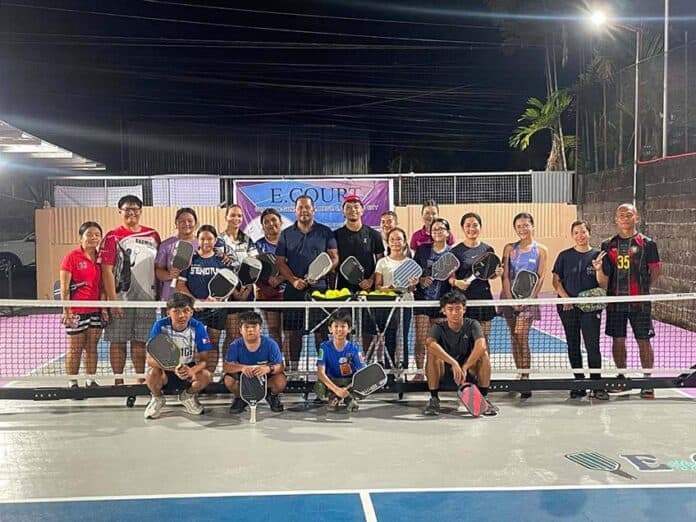
A two-day pickleball clinic in Gingoog City pointed to something bigger than a weekend lesson: it showed how the sport is spreading in Mindanao through people and institutions that plan to stay, not just pass through. The Rotary Club of Gingoog ran the training on May 27 and 28 at E-Court on Guanzon-Gundaya Street in Barangay 6, bringing Rotarians, community members and sports enthusiasts onto the same court.
That matters because pickleball grows fastest when the entry point is simple and local. Rotary International describes Rotary Fellowships as shared-interest groups open to anyone with a common passion, and its broader mission is to unite people and create lasting change in communities. In Gingoog, that philosophy lined up cleanly with a sport built on accessibility, quick learning and social play. The Rotary Club of Gingoog, which says it has served Gingoog City for 62 years, used that civic footprint to help normalize pickleball in a place where sustained access still depends on local initiative.
The bigger payoff is what comes after the clinic. A program like this can seed new players, create demand for school adoption and justify more community courts, which is how a sport moves from curiosity to habit. That pathway is especially important in Mindanao, where volunteer groups can do the early ecosystem-building that larger federations often cannot do alone. Once local players are introduced, the next steps become easier: more regular play, more organized sessions and a clearer route into competition.

The national structure around pickleball in the Philippines has also become more defined. The Philippine Pickleball Federation says the sport was formally organized as the Philippine Pickleball Sports Association on April 15, 2019, later recognized by the International Federation of Pickleball as the country’s national sports association. On April 14, 2024, the Philippine Olympic Committee formally welcomed it as the National Sports Association for pickleball, with the federation saying it had 89 member clubs and more than 4,300 players at the time.
That makes clinics like Gingoog’s more than local recreation. They plug into a growing network that already links players across clubs, tournaments and communities nationwide through the federation’s official registry. The pattern is not unique to Gingoog either. Rappler reported that a summer clinic helped turn Dumaguete City into a pickleball hotspot through grassroots training that began in 2024, a sign that small, club-driven efforts can reshape the sport’s map faster than top-down campaigns.
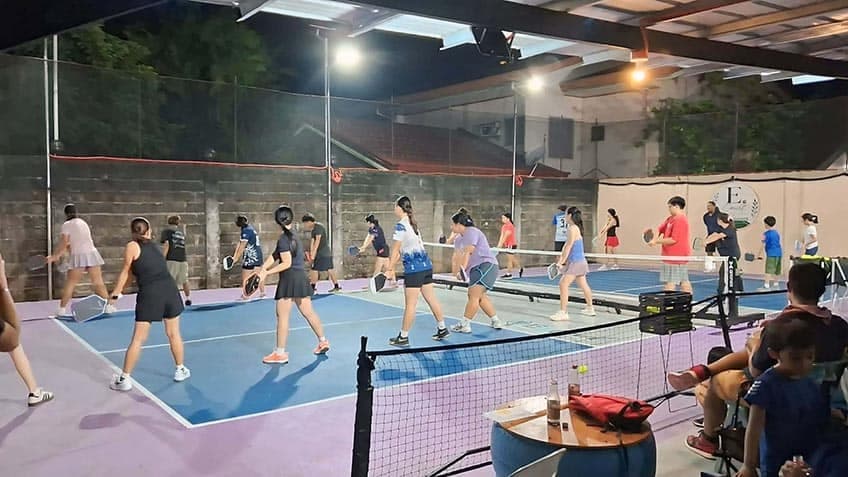
In that sense, Gingoog offered a useful case study for the region. Pickleball is not waiting for elite institutions to finish the job. It is being built court by court, by civic groups with staying power, and that is how a new Philippine talent pipeline starts.
This article was produced by Prism’s automated news system from verified source data, official records, and press releases, then run through automated quality and moderation checks before publishing. The system is built and supervised by the people who set the standards it runs under. Read our full AI policy.
Did this article answer your question?