Singapore offices add pickleball courts to win tenants, lift rents
Singapore landlords are turning pickleball courts into a tenant lure, with some buildings commanding rent premiums of up to 20 per cent.

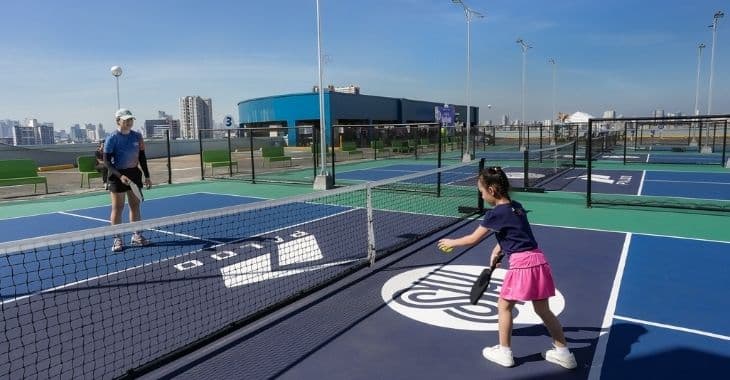
Pickleball has moved from recreation to real-estate leverage in Singapore. Office landlords are building courts into their developments, betting that a sport once associated with parks and community hard courts can now help fill offices and push rents higher in a competitive market.
The clearest sign is the premium. Analysts say buildings that turn plazas and atriums into placemaking spaces for wellness and social activity can command rental premiums of up to 20 per cent, and landlords are treating pickleball as part of that playbook. In Singapore’s CBD, Grade A office vacancy fell to 4.1 per cent in the first quarter of 2026 from 4.4 per cent in the fourth quarter of 2025, while rents rose 1.4 per cent quarter-on-quarter. Savills Singapore lifted its 2026 office rental growth forecast to 3 per cent to 5 per cent year-on-year in April, citing tight supply and sustained occupancy.
Frasers Property Singapore has emerged as one of the names most closely tied to the shift. The company says it owns, develops and operates residential, retail, office and business-space properties in Singapore, including six office and business-space properties. That scale matters: if workplace amenities become a deciding factor for tenants, Frasers has enough space under management to keep pushing the model beyond one-off experiments.
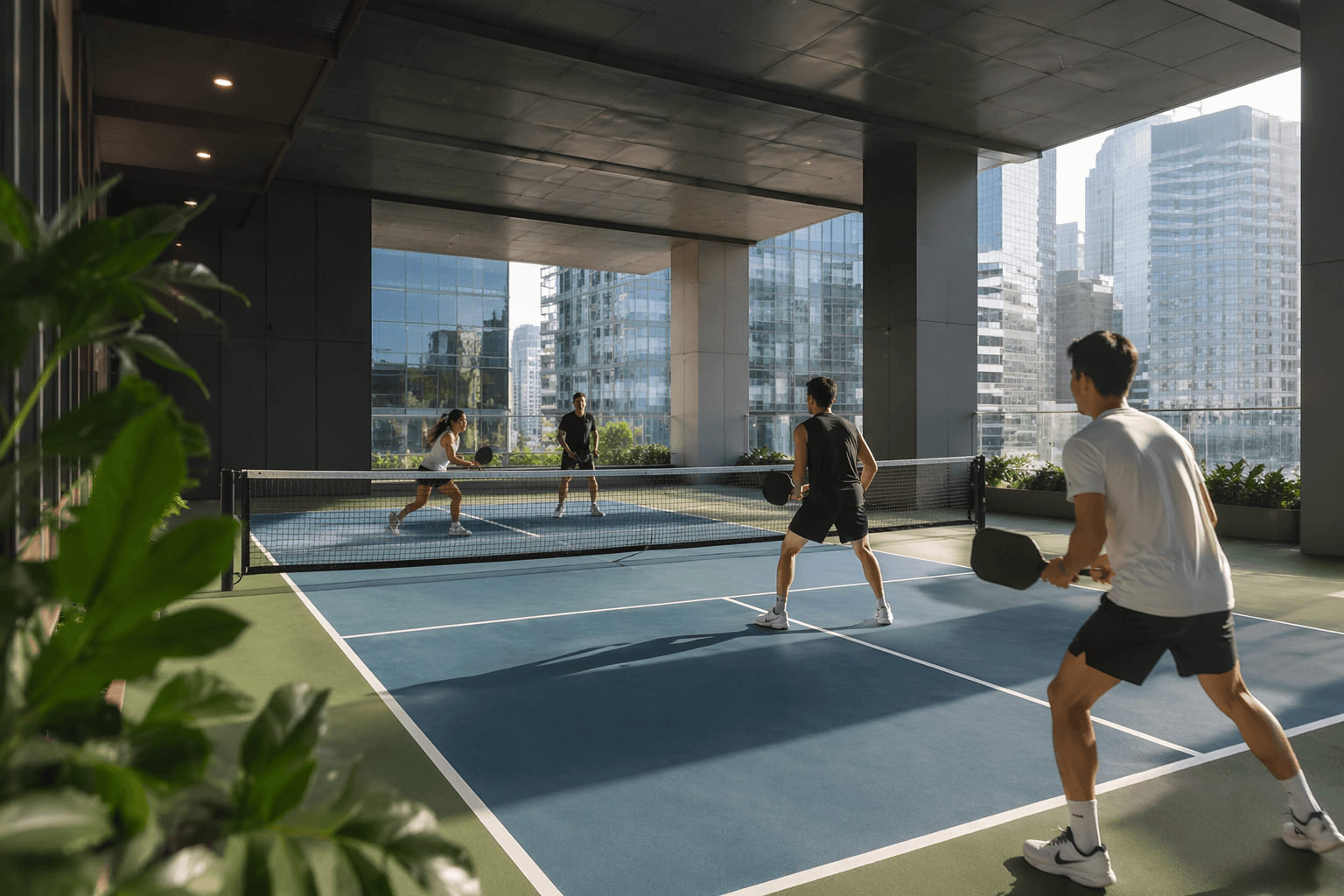
The strategy reflects a broader change in how landlords are marketing office buildings. Fitness classes and retail pop-ups are appearing alongside pickleball courts as buildings compete to become lifestyle hubs rather than simple places to work. The message to employers is straightforward: better amenities can help recruit, retain and impress workers, especially in a post-pandemic market where office space must justify itself in more ways than square footage alone.
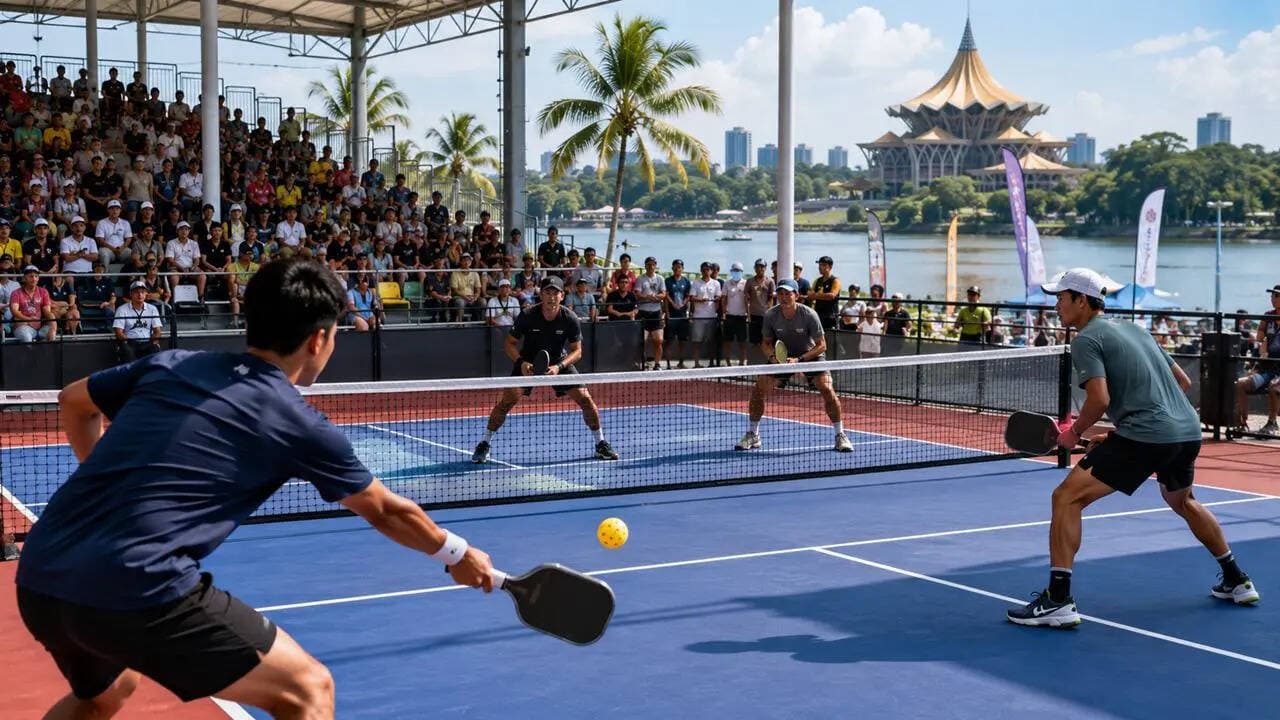
That shift would have looked unlikely a year ago, when the sport’s rapid growth was colliding with its own growing pains. In 2025, players were struggling to book courts and running into noise complaints, and at least four town councils began restricting pickleball on community hard courts. By March 2026, the government had responded with a plan to build 50 multipurpose courts for badminton and pickleball over the next five years, plus a S$10 million grant. Singapore also expects to host one of the region’s largest pickleball tournaments in 2026, with more than 2,000 players anticipated.
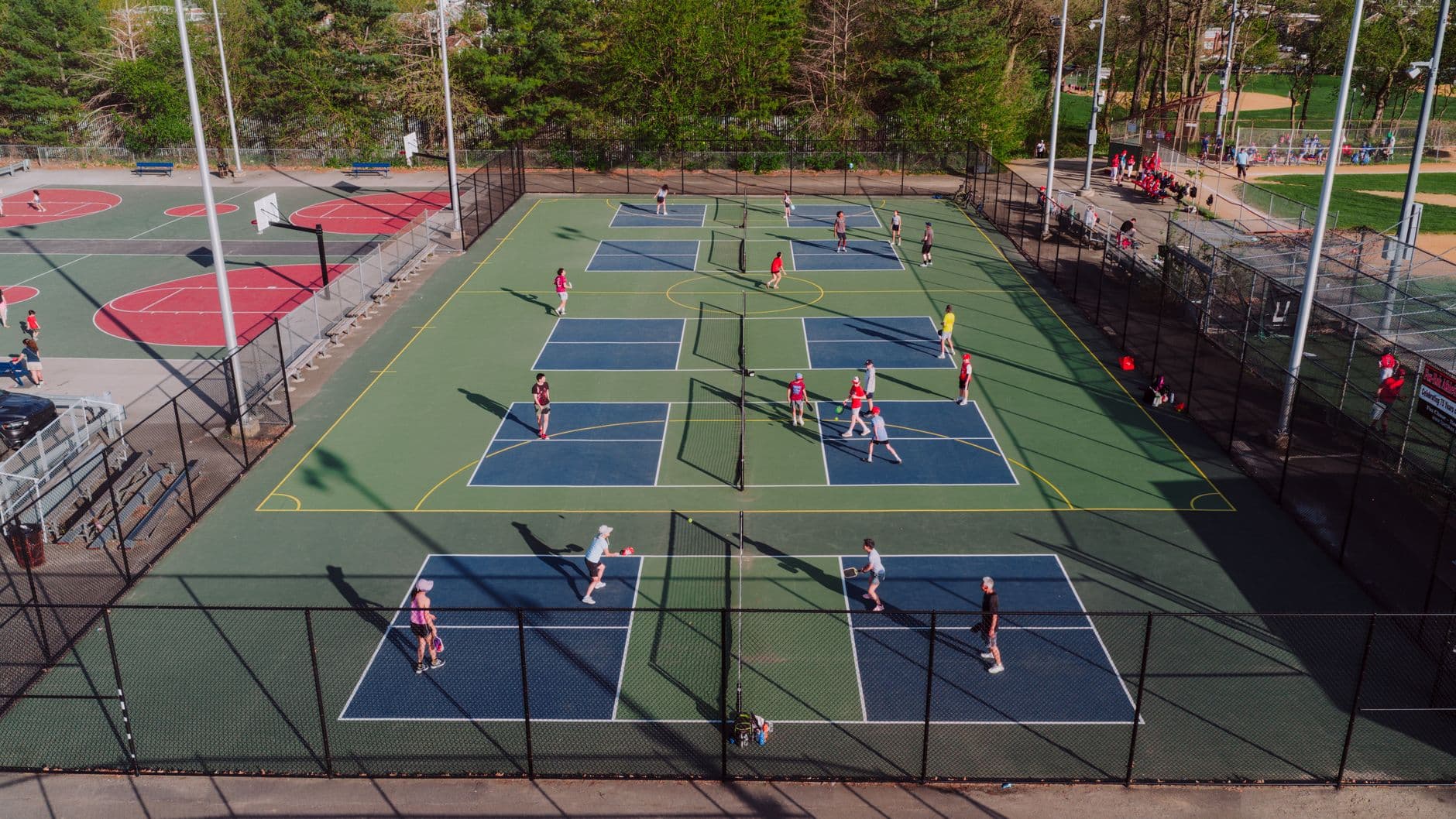
That is the larger point for Asia’s pickleball market. The sport is no longer being sold only to players. In Singapore, it is being packaged for tenants, landlords and corporate decision-makers, which makes it a tool of office strategy as much as a pastime.
This article was produced by Prism’s automated news system from verified source data, official records, and press releases, then run through automated quality and moderation checks before publishing. The system is built and supervised by the people who set the standards it runs under. Read our full AI policy.
Did this article answer your question?