Singapore pair Pini and Varsha win silver at US Nationals
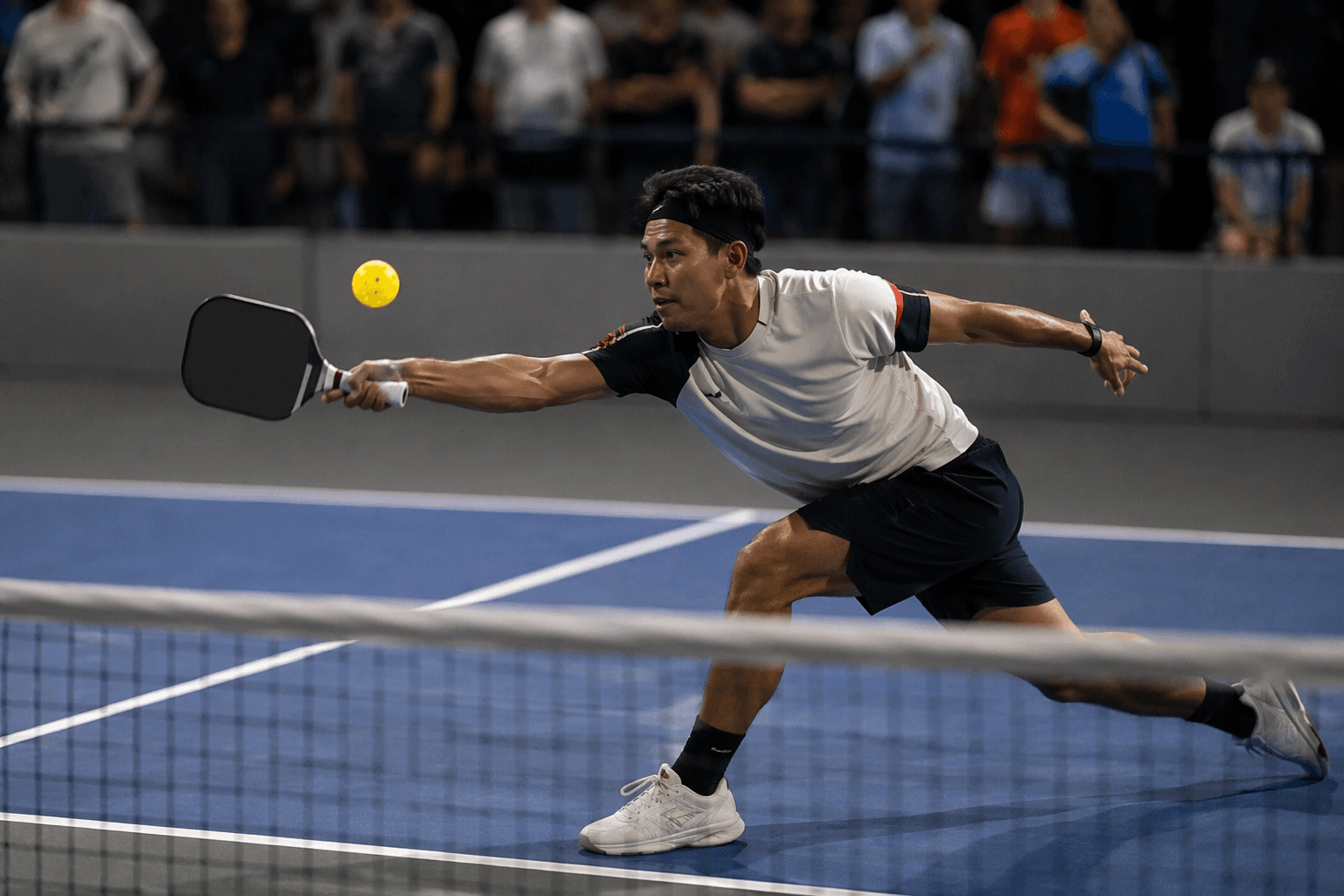
Friends first, Pini and Varsha turned shared practice into silver at the 2022 US Nationals, a breakthrough that signaled Singapore’s rise in Asia.
Pini and Varsha’s silver medal at the 2022 US Nationals marked more than a podium finish for Singapore. It gave Asian pickleball one of its clearest early examples of how a partnership built on friendship, repetition and shared court time could hold up against stronger, deeper fields abroad.
The Singapore pair’s path was shaped less by a star system than by the way pickleball spread across the region. They were friends on the same pickleball journey, developing together through consistent play rather than arriving as a prepackaged duo. In Singapore, where court access is often shared and communities are tight, that kind of growth matters. Players convince one another to try the game, stay with it, and gradually sharpen one another through practice.
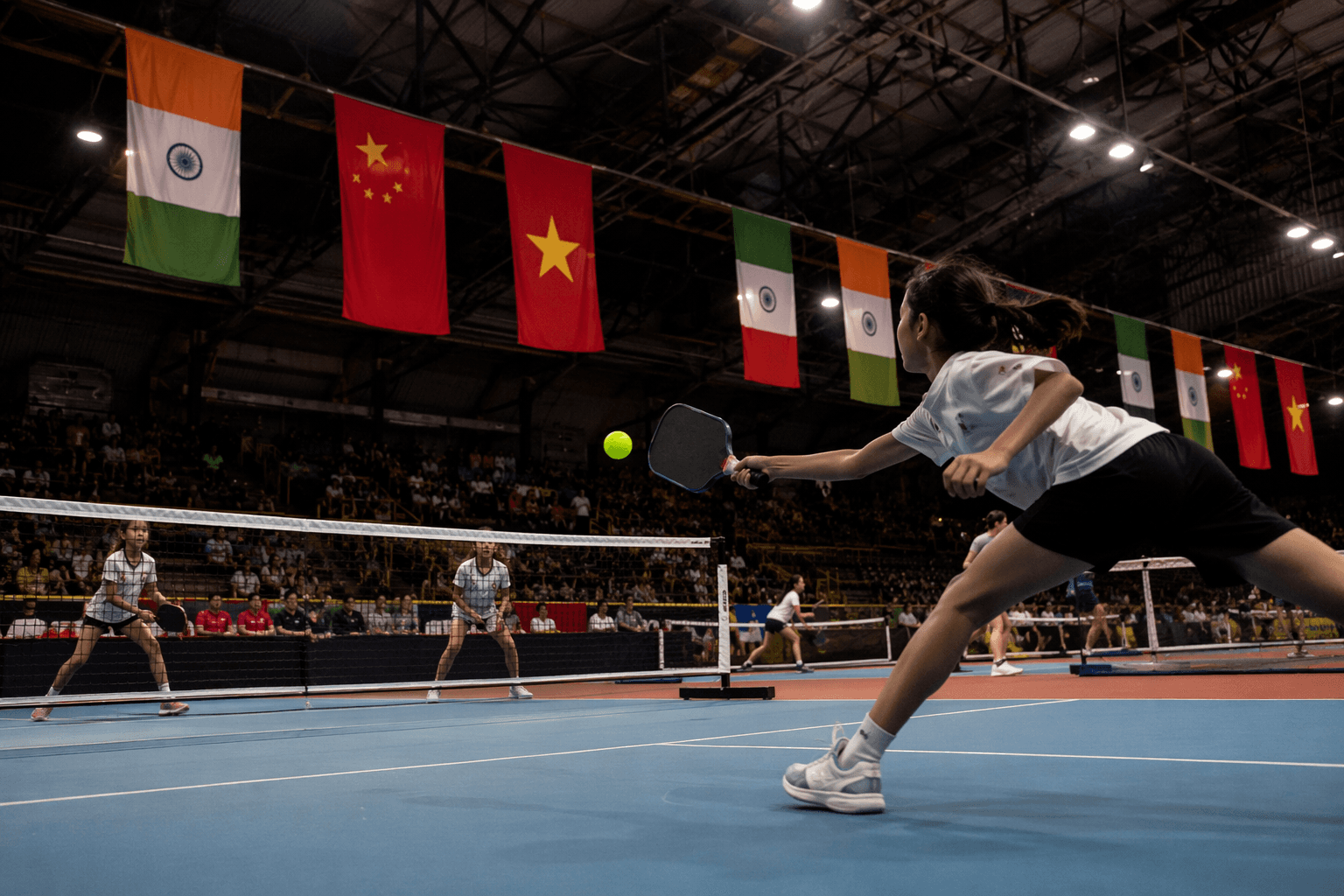
Their run to silver at the US Nationals gave that model a visible result. The medal placed a Singapore pair on the map at a major American event and showed that Asian players were not only building local participation, but also competing successfully in established overseas tournaments. For a sport still defining its regional identity, that mattered as much as the medal itself.
The result also reflected a broader pattern now visible across Asia. Early competitive progress in pickleball has often come from players testing themselves beyond their home courts, then carrying that standard back into local scenes. Pini and Varsha’s achievement showed how that exchange works. A pair from Singapore could travel, adjust to a bigger stage and finish with hardware at a U.S. national event, which in turn raised the bar for players watching from Southeast Asia.
That is why their silver remains such a durable reference point. It was not simply a single good result in a single bracket. It represented the kind of breakthrough Asian pickleball needed in its early years: a partnership formed through friendship, strengthened through repetition, and validated by a result at one of the sport’s more recognizable stages.
This article was produced by Prism’s automated news system from verified source data, official records, and press releases, then run through automated quality and moderation checks before publishing. The system is built and supervised by the people who set the standards it runs under. Read our full AI policy.
Did this article answer your question?