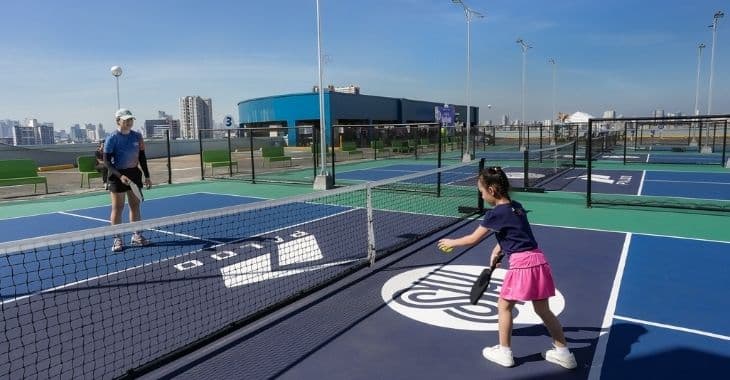
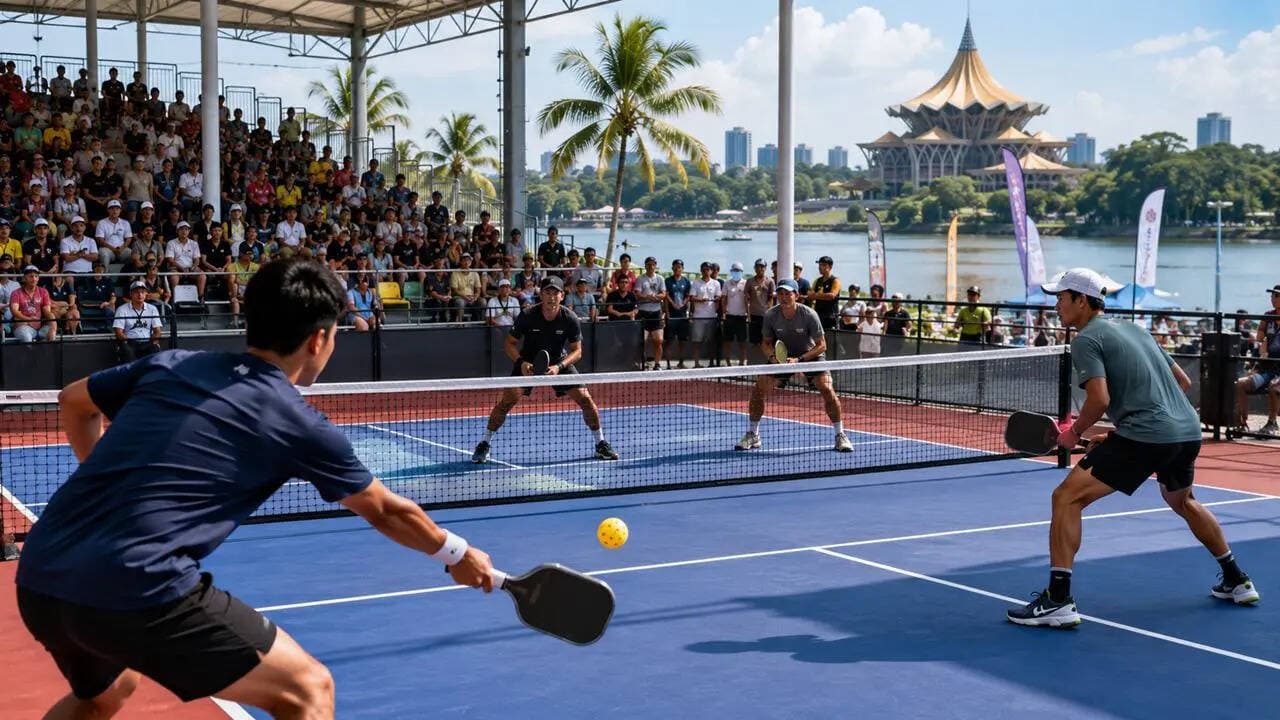
Singapore’s Tanglin Club vote deepens pickleball backlash over courts, noise
Tanglin Club’s AGM ousted its old guard over S$5 million pickleball court plans, pushing Singapore’s noise fight into one of its most exclusive rooms.
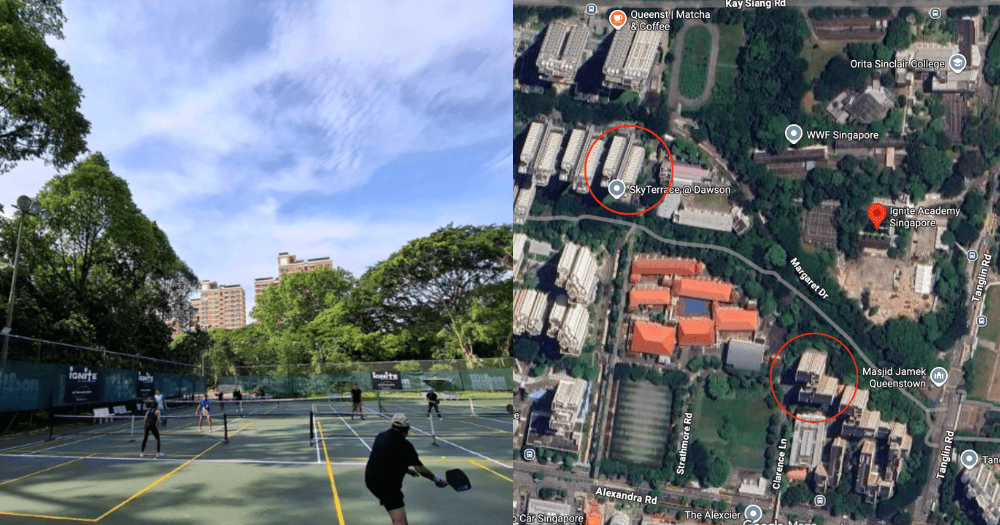
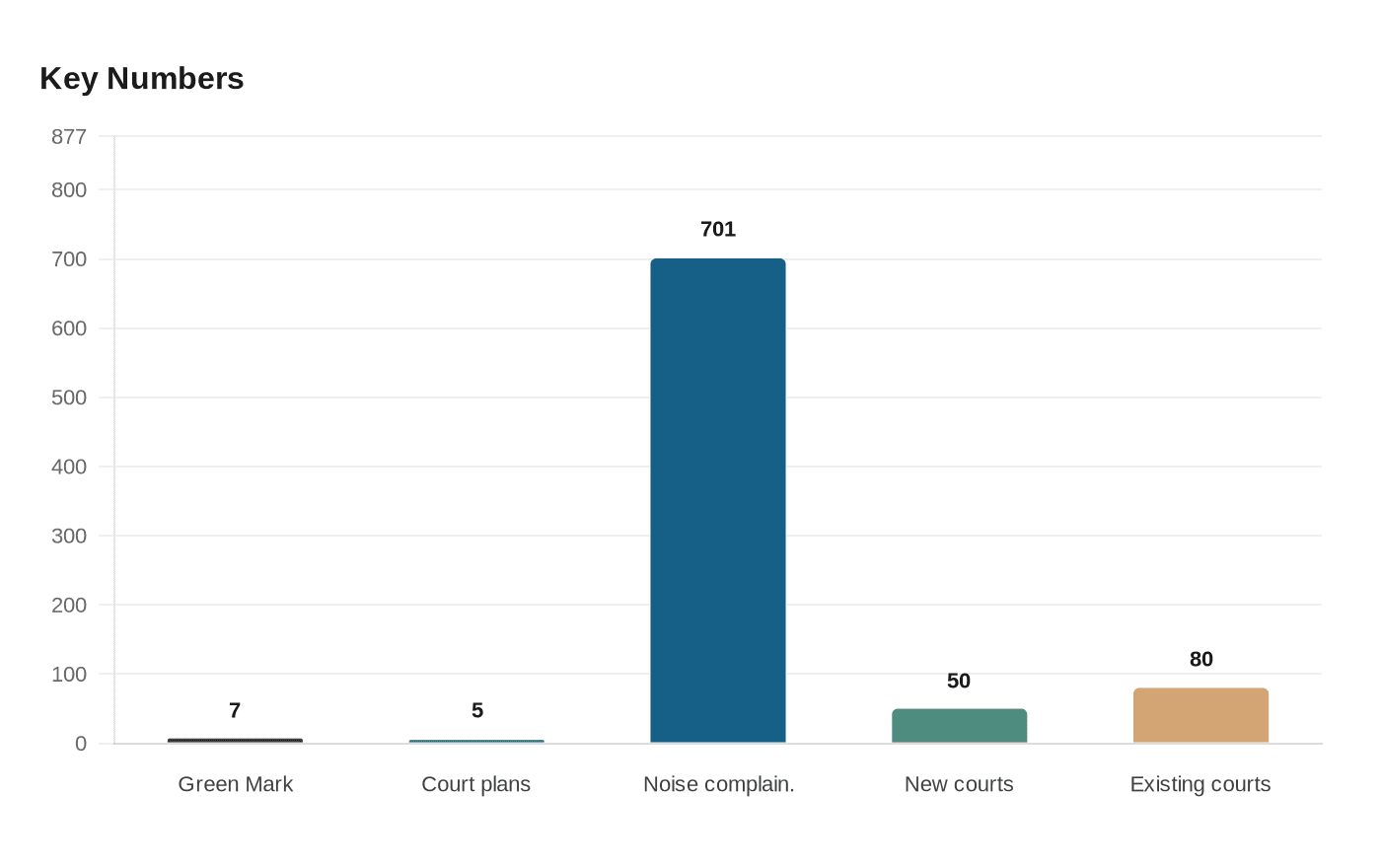
Tanglin Club’s annual meeting turned pickleball into a political fault line, as members voted in Team TC2026 for the 2026-2027 term and swept out the incumbent general committee over governance lapses, spending oversight and a lack of consultation on S$7 million Green Mark plans and S$5 million court plans.
The result matters far beyond one private club in Tanglin. Founded in 1865 and home to more than 4,000 members from over 70 countries, Tanglin is one of Singapore’s most recognizable private institutions, and its committee revolt showed that pickleball’s court squeeze and noise disputes are no longer confined to public estates. The same arguments that have rattled HDB neighbourhoods have now landed inside elite membership circles, where access to limited space is becoming just as contested.
The new committee said it would bring deeper consultation and approval processes to future facility developments, with a vote expected in 8 to 10 months. That timetable keeps the club’s pickleball plans alive, but under far tighter scrutiny after members made clear they wanted more control over how much money is spent, where courts go and who gets to decide.
The backlash at Tanglin sits inside a larger national clash. In Parliament on Sept. 25, 2025, the Ministry of National Development said the Municipal Services Office had received 701 complaints about pickleball noise in HDB estates between January 2024 and August 2025. Singapore’s quiet-hours guideline of 10.30pm to 7am already applies to common spaces, including HDB game courts, yet complaints have continued to mount.
By 2025, at least four town councils were restricting play, including locking gates and limiting access to community hard courts after residents objected to early-morning and late-night games. Town councils and grassroots leaders used advisories, mediation and time restrictions to manage the noise, while some players pushed for more indoor courts. Others said they were willing to live with tighter rules if it kept the sport growing.
Supply is improving, but not fast enough to ease the tension. In March 2026, the government said it would build 50 new multi-purpose badminton-and-pickleball courts over five years, and said more than 80 pickleball courts were already available through MyActiveSG+. Tanglin’s vote showed the next constraint in Asia’s fastest-rising racquet sport may not be demand at all, but governance, shared-space rules and the fight over who gets to claim the court.
This article was produced by Prism’s automated news system from verified source data, official records, and press releases, then run through automated quality and moderation checks before publishing. The system is built and supervised by the people who set the standards it runs under. Read our full AI policy.
Did this article answer your question?