Steve Bellamy Launches Typti on Pickleball-Sized Court With Foam Ball
A new racket sport, typti, was unveiled by Steve Bellamy; played on pickleball-sized courts with a foam ball and strung racket, it aims to lengthen rallies and broaden appeal.
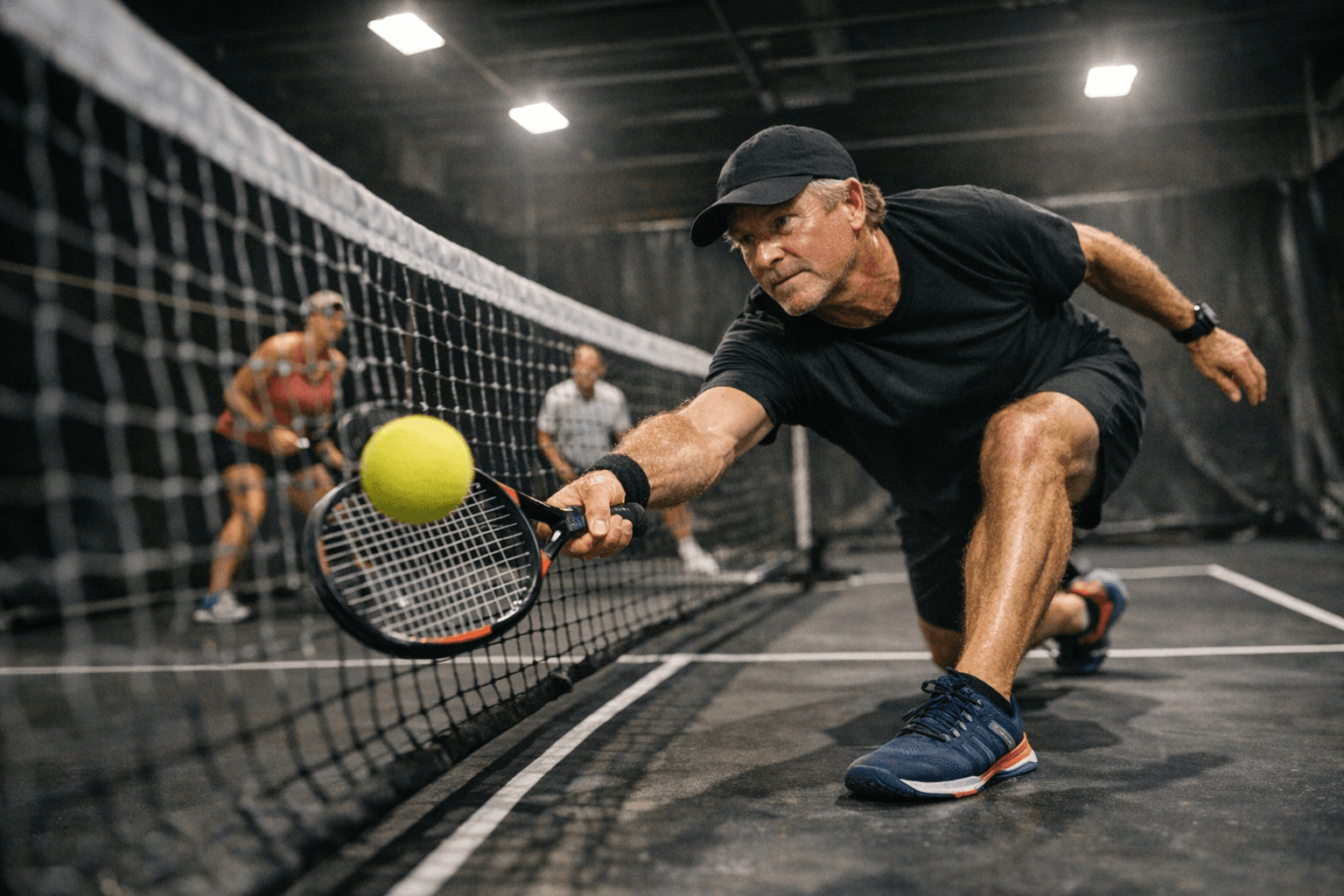
A new racket sport designed to fit on existing pickleball footprints but play with the stroke patterns of tennis and badminton was unveiled by Steve Bellamy on January 20, 2026. Typti replaces the hard plastic pickleball and paddle with a foam ball and a strung racket, slowing pace and stretching rallies so players can swing through larger stroke patterns and construct points differently than in fast dink exchanges.
Bellamy framed the game’s DNA in plain terms: “If tennis and badminton had a baby it would be typti.” That description underlines the design choices: a softer ball that reduces speed and bounce, and a strung racket that restores stringbed feedback and shot variety missing from paddles. The foam ball also promises lower impact on court surfaces and reduced noise, two practical selling points for urban facilities and apartment-adjacent courts in dense Asian cities.
High-profile backers have joined the project, including hotel heir Tony Pritzker, motivational speaker Tony Robbins and actor Chris Pine. Bellamy and his investors have signaled ambitions beyond casual play, pursuing a pro circuit with reported prize-money targets intended to attract competitive players as well as recreational participants. That positioning aims to create pathways from local club nights to televised events, leveraging star power and hospitality ties to build venues and showcase matches.
For players, the equipment shift changes match dynamics. Longer rallies reward movement, shot construction and court geometry rather than the quick reflex volleys and soft dinks that dominate modern pickleball. Typti’s use of a strung racket restores the variety of topspin, slice and directional control familiar to tennis and badminton players, while the smaller court footprint keeps the sport accessible and venue-efficient. Coaches and players who migrated from racket sports may find typti’s learning curve shorter than that of paddle-based pickleball.
Industry implications are notable for Asia, where rapid court growth has triggered debates about noise and municipal permitting. Typti’s lower-noise foam ball could ease neighborhood friction and expand indoor programming at hotels, community centers and corporate clubs. From a business angle, involvement by hospitality-linked investors suggests a playbook that pairs boutique events and resort clinics with a nascent pro calendar.
What comes next is implementation: rollout of equipment specifications, pilot events and rule standardization leading toward the pro ambitions Bellamy outlined. For players in Asia, typti offers an alternative pathway, a court you already have with rallies many will find more familiar and more sustained. If Bellamy and his backers can convert curiosity into consistent events and clear rules, typti could carve out a niche between pickleball’s boom and traditional racket sports.
Know something we missed? Have a correction or additional information?
Submit a Tip