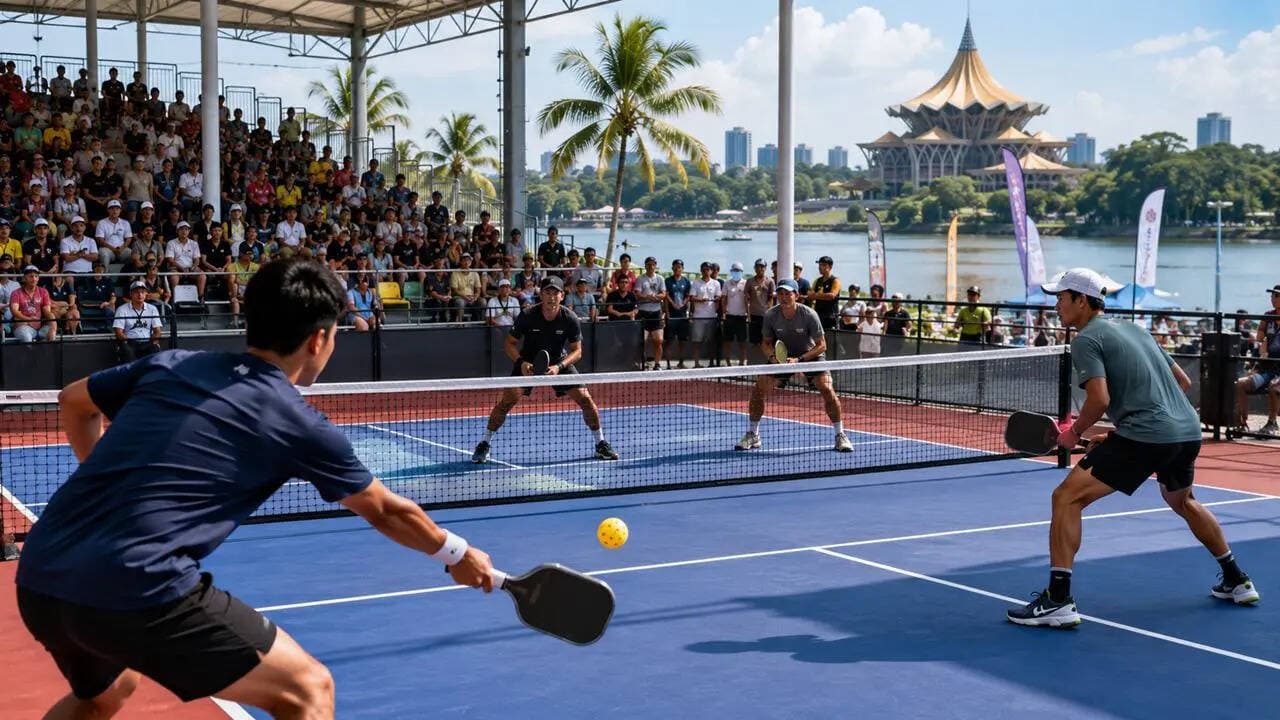
Taiwan's CHC Hosts Pickleball Testing and Validation Exchange on Standards, Collaboration
Taiwan's CHC convened a pickleball testing and validation exchange to align product testing and standards, a move that could raise equipment quality and streamline play across Asia.
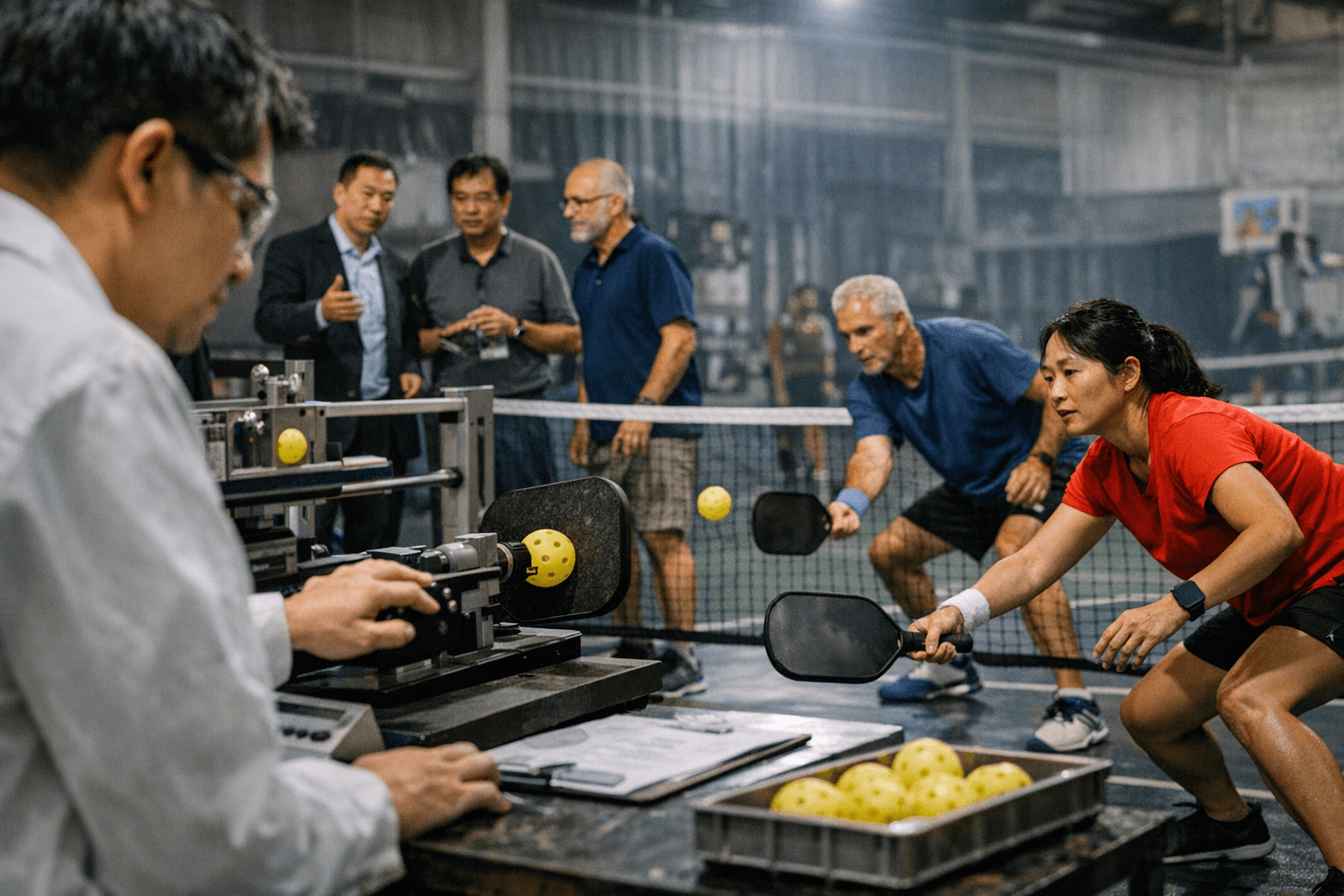
Taiwan-based CHC convened a pickleball-focused "Testing and Validation Exchange" that brought together industry stakeholders to tackle how product testing, standards, and collaboration can support the sport's growth across Asia. The session, held January 26, 2026, centered on aligning testing protocols and exploring cooperative pathways between manufacturers, labs, and organizers.
Organizers framed the meeting as a response to rapid equipment proliferation and varied testing practices that can affect on-court performance. Participants discussed the technical side of equipment - ball behavior, paddle performance and certification - and how differences in testing approaches translate directly into player experience. Standardized validation, the conversation concluded, would reduce variability in ball bounce, paddle response and court surface interaction, giving coaches and players clearer expectations when preparing for tournaments.
From a performance analysis standpoint, the exchange recognized that gear consistency is not a peripheral issue. Variability in balls and paddles changes dwell time, spin potential and shot reliability; those factors influence whether a third-shot drop or fast-paced transition rally succeeds. Greater harmonization of testing procedures can therefore narrow the equipment-driven performance gap between clubs and competitions, letting skill and tactics determine outcomes rather than inconsistent products.
The business implications are substantial. Manufacturers working to internationalize product lines face friction when testing regimes differ by market. Common standards can lower certification costs, shorten time-to-market and enable Taiwanese suppliers and regional brands to scale more rapidly. Testing labs that adopt shared validation methods can create trusted marks of compliance that event organizers and buyers will rely on, driving commercial confidence and investment in the region's manufacturing base.
Culturally, the exchange illustrates pickleball's maturation in Asia. As the sport moves beyond recreational centers into structured leagues and tournaments, stakeholders are prioritizing systems that protect competitive integrity and player safety. Standardized equipment and transparent testing protocols also make it easier for community venues and schools to procure suitable gear, supporting grassroots access and youth development.
Socially, a coordinated approach to testing and standards has implications for inclusion and longevity. Safer, predictable equipment reduces injury risk and lowers barriers for new players who may be put off by unpredictable play. For coaches, referees and tournament directors, clearer certification means fewer disputes over equipment legality and more focus on coaching and competition.
The CHC exchange set a collaborative tone and outlined next steps for continued dialogue and technical work. For players and organizers across Asia, that means a near-term horizon where equipment quality and consistency become a foundation for fairer competition, clearer pathways for manufacturers and a healthier growth trajectory for the sport.
This article was produced by Prism’s automated news system from verified source data, official records, and press releases, then run through automated quality and moderation checks before publishing. The system is built and supervised by the people who set the standards it runs under. Read our full AI policy.
Did this article answer your question?