Tokyo Tower court boosts pickleball’s visibility in Japan
Tokyo Tower turned pickleball into a landmark spectacle, while Ariake gave Japan a tournament-grade home. Together they map how the sport is building visibility and repeat play.
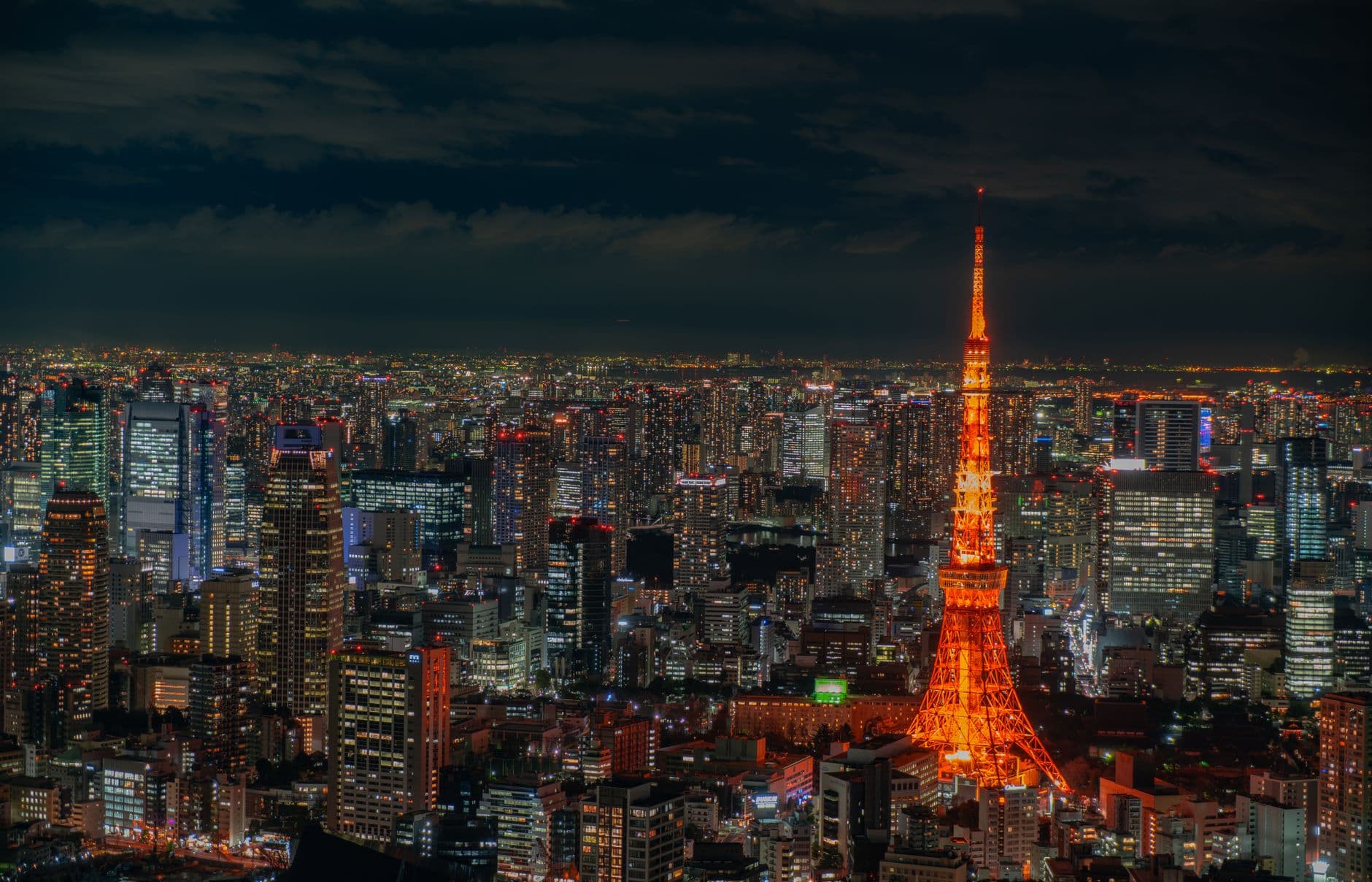
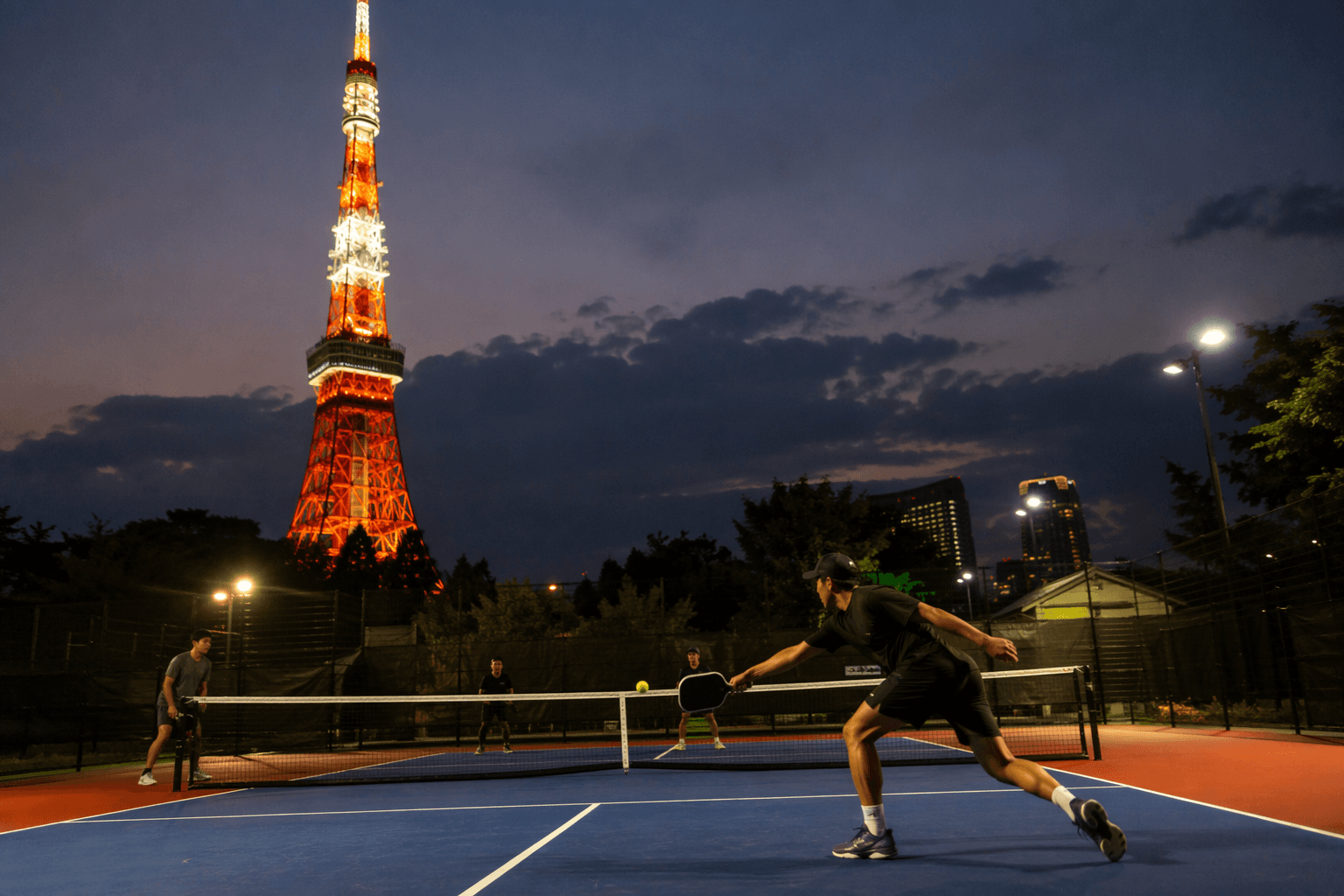
Tokyo Tower is doing for pickleball in Japan what a billboard alone cannot do: it makes the sport feel immediate, public, and worth stopping for. At the same time, Ariake Tennis Park is giving the game the infrastructure of a serious racquet-sport event, with a championship that drew 1,300 participants from 18 countries and packed in 2,278 matches over four days.
Tokyo Tower as the visibility engine
The Pickleball Japan Federation first put the Tokyo Tower Pickleball Court in front of the public as a limited-time attraction in November and December of the previous year. The federation then announced the court’s official opening on July 4, 2025, with the page updated the next day, turning a temporary curiosity into a more durable piece of the sport’s footprint in Tokyo.
That venue choice matters because Tokyo Tower is not a hidden neighborhood facility. It is one of Japan’s most recognizable landmarks, a place that already draws tourists, foot traffic, and attention without any extra explanation. A court there does more than host play. It tells newcomers, in plain sight, that pickleball belongs in the same urban frame as the city’s best-known symbols.
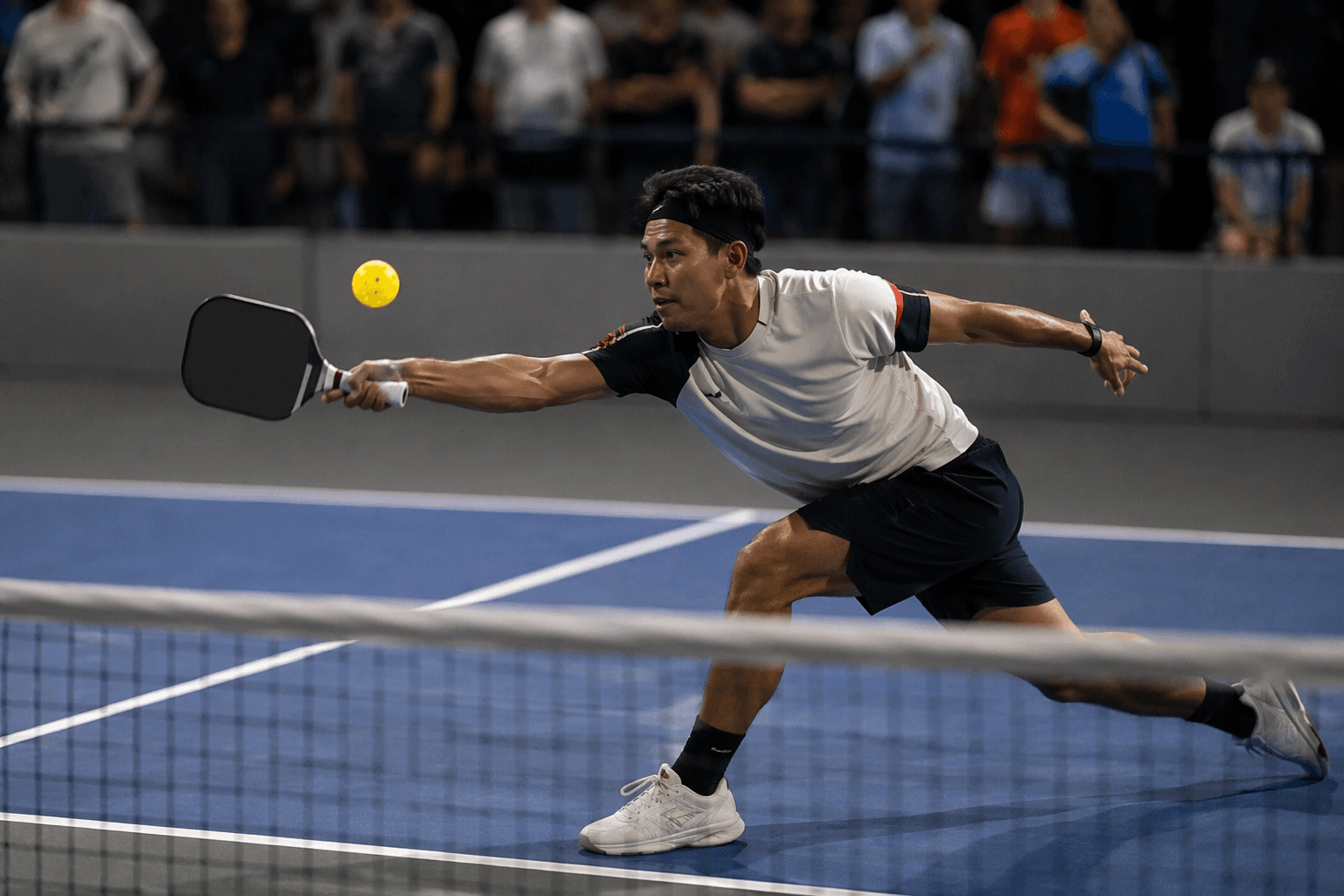
The federation’s own programming shows how that visibility is being used. PJF held pickleball trial sessions and lessons at Tokyo Tower from March 28 to 30, 2025, from 9:30 a.m. to 1:00 p.m., at 4-2-8 Shibakoen in Minato Ward. Another Tokyo Tower activation, TOKYO TOWER2025, took place on November 16, 2025, from 12:00 to 3:00 p.m. at the Tokyo Tower rooftop pickleball court in Minato Ward. Those are not just branding exercises. They are entry points, designed to let people see the sport, try it, and associate it with a place they already know.
The business model behind that visibility is easy to read in the booking details. The Tokyo Tower Pickleball Friendship listing places court rental at ¥8,000 to ¥12,000 per hour, depending on day and time, with online reservation and advance payment required. The same listing notes there are no changing rooms and players use restrooms to change, while warning that the surface becomes extremely slippery when wet. That is a booked experience, not casual drop-in play, and it shows how the venue is being monetized as a premium urban product.
Ariake as the legitimacy engine
If Tokyo Tower sells pickleball to the public, Ariake sells it to the sport itself. The PJF Pickleball Championships 2025 were scheduled for December 10 to 13, 2025 at Ariake Tennis Park and were presented by ZIPAIR and Daiwa Securities Group. The setting matters as much as the sponsor list: this is the kind of venue that gives a growing sport the look and feel of an established competition circuit.
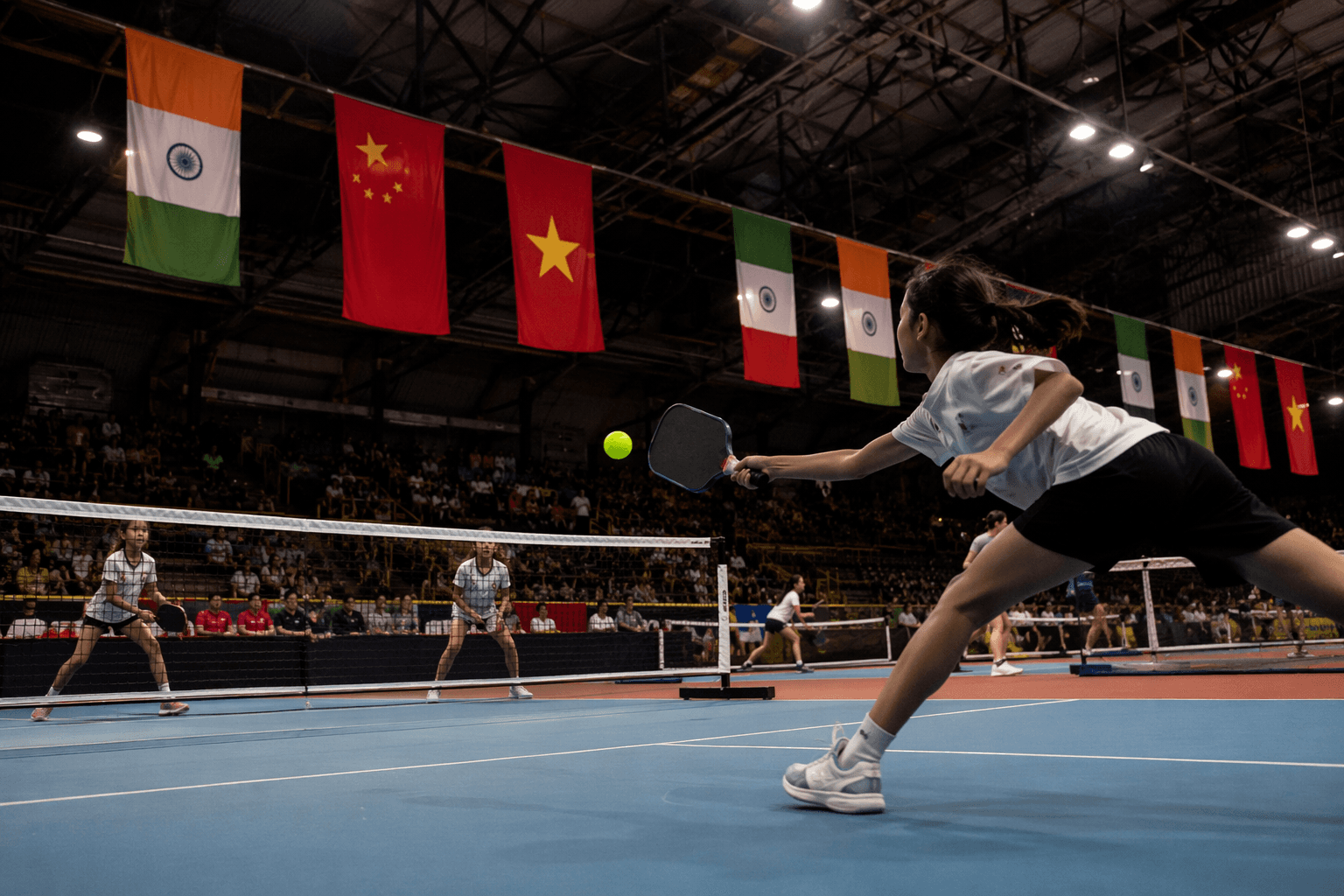
The scale of the Ariake event gives that strategy real weight. A PR TIMES and Tokyo Shimbun item on the championships said the four-day tournament closed with 1,300 participants from 18 countries and 2,278 matches, describing it as Japan’s largest international pickleball tournament. That kind of volume is more than a headline number. It is proof that a competition calendar can support travel, brackets, and repeat participation at a level that begins to resemble an emerging sports business, not just a hobby scene.
Ariake Tennis Forest Park extended that competition footprint one day later, hosting APG 2025 Team Challenge on December 14, 2025. Taken together, the two Ariake venues show how a tournament cluster can anchor a market. One court complex handled the championship pipeline; another added a follow-on event that kept players and organizers in the same zone.
What Japan’s venue map says about the market
Japan still has structural limits that make these venue choices especially important. A Tokyo guide from Pkuru says the country does not really have public drop-in pickleball courts or games, and that most play happens indoors at community centers and school gymnasiums, or on private tennis courts. In that environment, landmark staging and competition-grade parks do different but complementary jobs: one makes the sport visible, the other makes it legitimate and repeatable.
That split explains why Tokyo Tower and Ariake should be read as a venue strategy trade, not just a pair of event locations. Tokyo Tower creates awareness in a premium, high-traffic setting where pickleball looks aspirational and easy to understand. Ariake converts that attention into organized play, rankings, and a competitive pathway that can sustain travel, sponsorship, and player development.
Japan is also showing that the model does not have to stay confined to one site. Event calendars and listings point to pickleball activity at hotels, malls, and other temporary or repurposed spaces across the country. That matters because it gives clubs and federations a template for markets where fixed courts are scarce: use visible urban staging to introduce the game, then build a competition home where the serious play happens.
For other Asian federations, clubs, and investors, the lesson is practical. Landmark venues can create recognition fast, but recognition turns into growth only when the sport also has a place like Ariake, where players can return for structured events, larger draws, and a calendar that starts to look permanent. In Japan, pickleball’s business case is now being built from both ends of that chain.
This article was produced by Prism’s automated news system from verified source data, official records, and press releases, then run through automated quality and moderation checks before publishing. The system is built and supervised by the people who set the standards it runs under. Read our full AI policy.
Did this article answer your question?