UPA Asia explains pickleball basics for the sport's regional boom
Asia's pickleball boom starts with five essentials: badminton-sized courts, underhand serves, the two-bounce rule, the kitchen and serve-side scoring.

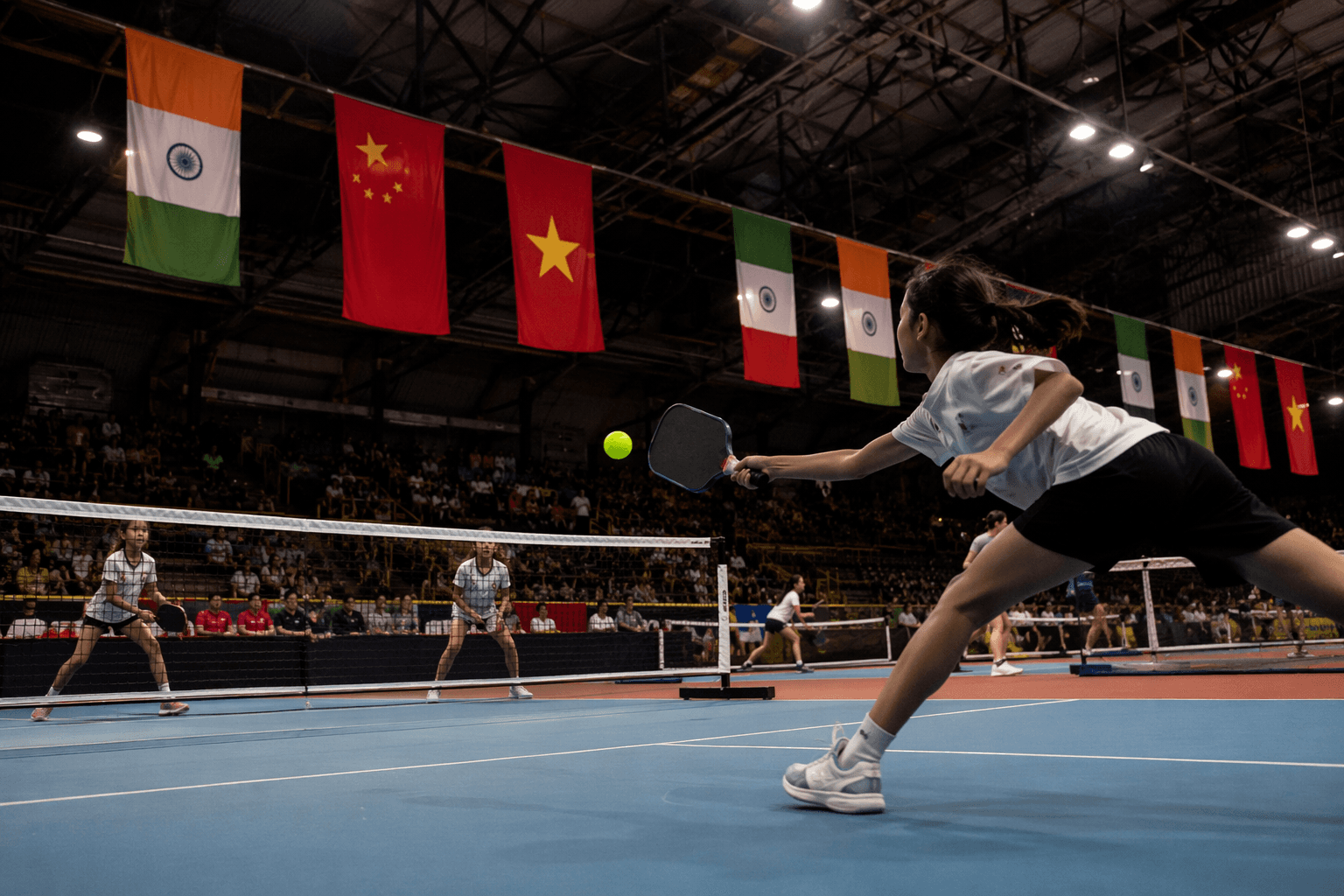
On a badminton-sized court in Singapore, Kuala Lumpur, Ho Chi Minh City or a resort in Bali, UPA Asia is packaging pickleball as a fast-entry game for clubs, schools and resorts across the region. The appeal starts with a compact court and a rule set that newcomers can learn quickly.
Five things to know before your first game
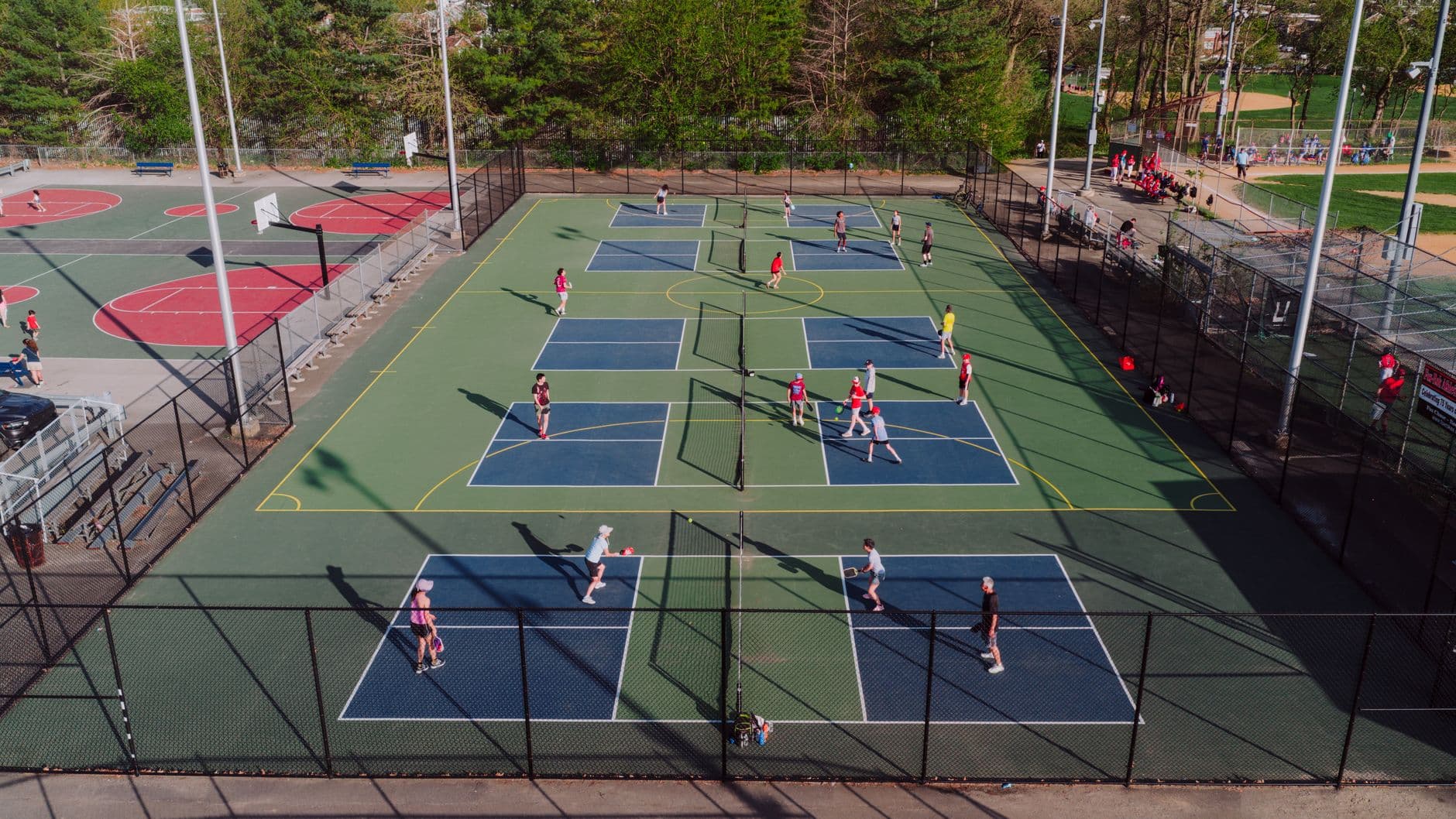
- The court is smaller than a tennis court and set up to badminton scale, with the same court size used for singles and doubles. That compact footprint is one reason pickleball fits so well into urban Asian venues where full tennis space is limited.
- You play with a solid paddle and a perforated plastic ball, not strings and not a shuttlecock. The equipment is part of why the sport feels familiar to players coming from tennis, badminton, squash or table tennis, yet still clearly different.
- Serves are underhand and the paddle contact must stay below the server’s waist or navel level. The serve goes diagonally into the opposite service box, so the opening shot is about placement more than power.
- The two-bounce rule controls the start of every rally. The serve return must bounce, and the next shot must bounce as well before either side can volley.
- The kitchen, or non-volley zone, keeps players from camping at the net and smashing every ball out of the air. That rule, plus basic scoring discipline, is where most newcomers make mistakes in their first few games.
Why the setup works so well in Asia
The court dimensions are one of pickleball’s biggest advantages in Asia because they lower the barrier to entry in dense cities and multipurpose venues. A badminton-sized court is easier to carve out in a school gym, club, condominium facility or resort space than a full tennis court, and that makes the sport far easier to schedule and scale. The slightly lower net, the compact playing area and the lighter ball all help players settle into rallies quickly.
That familiarity matters in markets where badminton culture is already strong. Players in Singapore, Malaysia, Vietnam and Indonesia often recognize the movement patterns immediately, even if the contact point and shot selection feel new. UPA Asia is targeting exactly that crossover audience through a broader push from the United Pickleball Association through PPA Asia and MLP Asia.
The format also helps explain why the sport has traveled so fast through clubs and resorts. Doubles is the most common format, and the same court size is used whether two or four people are on court, which keeps venue planning simple. The sport’s first official rulebook dates to March 1984.
How scoring, serving and the kitchen really work
Pickleball scoring is where first-timers in Asia usually stall, because the system is unlike many casual racquet sports. Points are scored only by the serving team, and games are normally played to 11 points and must be won by 2. In doubles, the server’s score is called first, so calling the score cleanly becomes part of the rhythm of the match, not an afterthought.
That scoring system creates quick momentum swings, which is one reason spectators catch on fast. It also rewards teams that stay organized under pressure, because a lost serve is not just a lost chance to attack, it is a lost chance to score at all. In mixed local play and cross-border events, that is exactly where confusion creeps in, and why national bodies such as the Philippine Pickleball Federation have been localizing the same core rule set for their players.
The kitchen rule changes the shape of the game even more than the score does. The non-volley zone prevents players from standing at the net and ending points with easy put-aways, so touch, patience and placement matter as much as power. In Asian club culture, where many players arrive with tennis serves or badminton reflexes, that rule is the one that most often forces a reset in habits.
The boom behind the basics
UPA Asia’s push is not happening in isolation. The regional arm of the United Pickleball Association is building out Asia-facing content alongside expansion through PPA Asia and MLP Asia, and it has already announced five 2025 PPA Tour events across Australia, India, Canada, Asia and Europe.
A 2025 UPA Asia and YouGov Singapore study found that 1.9 billion people across 12 Asian territories were aware of pickleball, 812 million had played at least once, and 282 million were playing at least once a month. In the same study, 60 per cent of respondents in those territories reported year-on-year growth, and Vietnam had the highest awareness level at 88 per cent.
Fun and fitness ranked at the top, while friends and family, plus the chance to make new friends, also came through strongly.
A separate Bonafide Research forecast projects Asia-Pacific pickleball growth at a compound annual rate above 24.5 per cent from 2024 to 2029.
This article was produced by Prism’s automated news system from verified source data, official records, and press releases, then run through automated quality and moderation checks before publishing. The system is built and supervised by the people who set the standards it runs under. Read our full AI policy.
Did this article answer your question?