Women’s, youth and para programs drive pickleball’s growth in Asia
Asia's pickleball boom is moving beyond open play, with women’s, para and youth pathways becoming the real test of whether the sport can last.
The new measure of growth
The real question for pickleball in Asia is no longer how many people can try the sport once. It is which countries and organizations can turn women’s brackets, para-pickleball, and youth pathways into durable talent and participation pipelines.
That shift matters because pickleball’s biggest advantage in Asia has always been reach. The smaller court, the easier learning curve, and the lower physical barrier than many racket sports have helped it spread quickly through community clubs, apartment complexes, school programs, and indoor recreation centers. But a broad entry point only becomes a lasting sports ecosystem when organizers give players somewhere to go next.
Women’s play is becoming the first serious growth engine
Women’s divisions are doing more than filling draws. In many Asian markets, they are helping drive family participation, build more welcoming weekend events, and give the sport a structure that feels less intimidating for first-timers.
That matters because pickleball often draws athletes who already know how to compete. Many women entering the sport come from badminton, tennis, table tennis, or other racket sports, and they are looking for an outlet that is easier to learn but still competitive. When women’s events are connected to clinics, mentorship sessions, and club ladders, the sport does not just attract participation. It keeps it.
For organizers, that is a practical lesson. Women’s play is not a side program when the goal is scale. It is a main route to retention, because it combines social connection with a clear competitive ladder. In a region where families often enter sports together, those brackets can become the anchor that makes a club or event feel permanent rather than temporary.
Para and senior divisions give the sport broader civic value
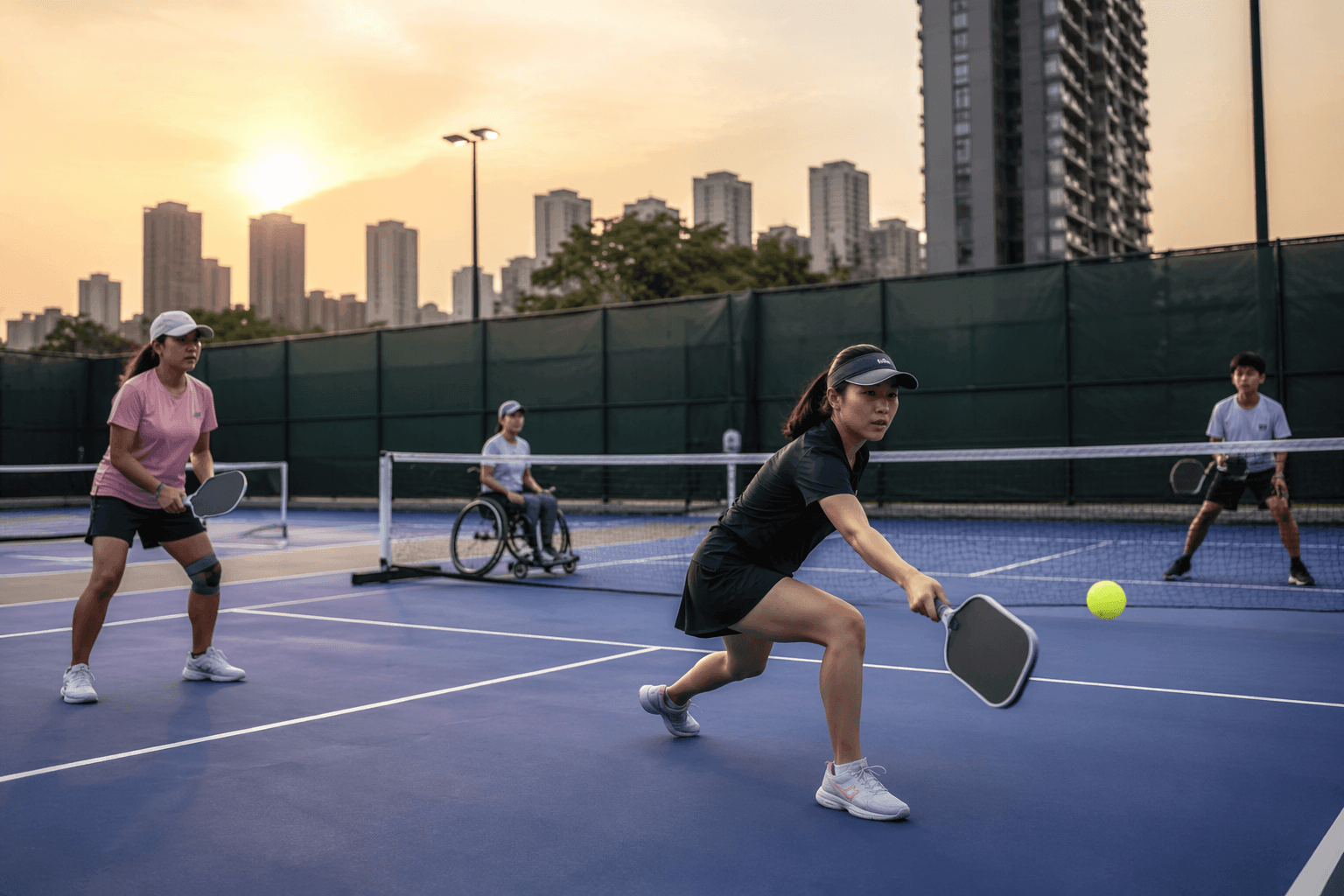
If women’s play widens the funnel, para-pickleball and senior divisions deepen the case for public support. These categories show that the sport can serve more than a narrow competition audience, and that gives pickleball a stronger argument in front of governments, municipalities, schools, and private clubs.
That is especially important in Asia, where decision-makers are often looking for affordable ways to increase active participation. Pickleball’s accessibility already makes it attractive to beginners, older adults, and players returning after a long break. Para and senior formats extend that value by making inclusion visible, not just implied.
The result is bigger than tournament entries. When a sport can serve school students, family players, seniors, and adaptive athletes in the same growing structure, it becomes easier for local operators to justify court space, programming, and recurring events. That is how pickleball moves from being a trendy add-on to a community asset.
Youth pathways decide whether the boom becomes a system
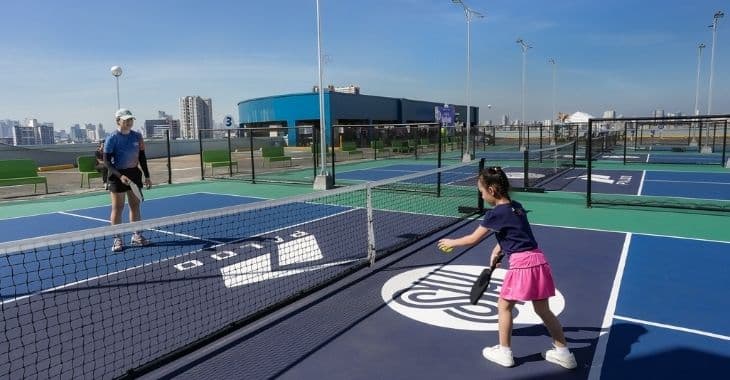
Youth development is the final piece that separates a surge from a structure. Once juniors have regular coaching, age-based competition, and a visible route into open play, pickleball stops looking like an occasional recreational craze and starts functioning like a real sport community.
That is why youth programs matter so much for Asia’s next phase. They create habits early, they establish standards of play, and they give organizers a reason to build calendars that extend beyond adult open play. A sport with junior ladders is a sport that can produce continuity, not just turnout.
The pathway also matters for legitimacy. School athletes do not just add bodies to the sport. They create the sense that pickleball belongs alongside other organized activities with progression, coaching, and competition. For Asian organizers trying to secure long-term support, that visibility is one of the strongest signals that the sport is here to stay.
Why inclusion is the sport’s real scale strategy
The broader pattern across Asia is clear: pickleball is spreading fastest where it feels accessible, but it will only deepen where it feels structured. Community clubs, apartment complexes, schools, and indoor recreation centers are the entry points. Women’s brackets, para divisions, senior play, and youth pathways are the retention engine.
That is why inclusion programs matter more than simple open play counts. Open play proves interest. Competitive divisions prove commitment. Recurring clinics and mentorship sessions prove infrastructure. Age-based and adaptive pathways prove that the sport can serve more than one type of participant at once.
This is also where the sport’s future business case gets sharper. A court filled once is a snapshot. A women’s ladder, a junior program, and a para division are evidence of repeat usage, repeat scheduling, and repeat engagement. That is the kind of foundation clubs and operators need if they want pickleball to keep growing across the region.
The Asian model is being built from the ground up
Asia’s pickleball expansion is not being driven by one audience alone. It is being built by families, school athletes, senior players, and adaptive athletes entering the same sport through different doors. Women’s divisions make the sport more welcoming and more competitive at the same time. Para and senior programs broaden its public value. Youth pathways give it a future.
That combination is what separates a passing trend from a lasting sports ecosystem. If the next wave of growth in Asia is going to matter, it will not be measured only by how many people pick up a paddle. It will be measured by how many of them stay, how many of them compete, and how many of them move into a pipeline that can sustain the sport for years to come.
This article was produced by Prism’s automated news system from verified source data, official records, and press releases, then run through automated quality and moderation checks before publishing. The system is built and supervised by the people who set the standards it runs under. Read our full AI policy.
Did this article answer your question?