Nigeria prepares youth table tennis squads for Ghana and Guinea events
Nigeria’s 35-player Babcock camp split into Ghana and Guinea squads, with four youngsters in Accra and Matthew Kuti leading the regional team.

Nigeria’s 35-player camp at Babcock University is doing more than sharpening strokes and timing. It is feeding two separate international tracks this month, with a youthful quartet heading to Accra for the ITTF-Africa Hopes Week & Challenge and another four-player group lined up for the Western Region Championships in Guinea.
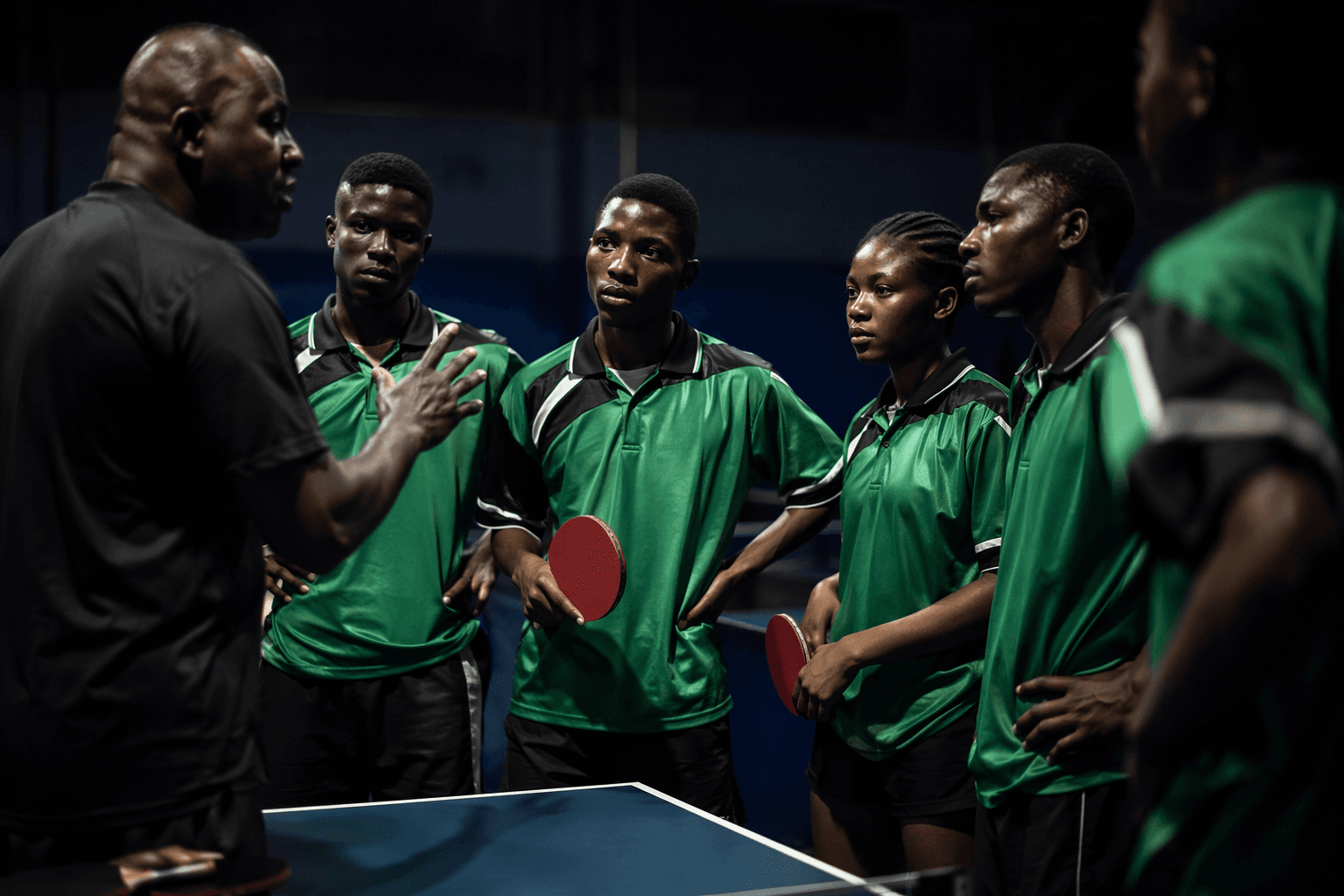
The camp in Ogun State held 18 girls and 17 boys aged nine to 19, with Dotun Omoniyi and four other coaches overseeing the work. Nigeria Table Tennis Federation president Adesoji Tayo has pushed Babcock as a possible permanent national training base, citing its distance from city bustle, along with the food, nutrition and support available to younger players. Babcock University vice-chancellor Prof. Afolarin Ojewole praised the players’ discipline, commitment and talent, underlining how firmly the university has been pulled into Nigeria’s development plan.
Nigeria’s Accra assignment goes to Umar Ayoola, Habeeb Adebayo, Emmanuella Shaibu and Elizabeth Eminike, a group that fits the under-12 framework of the Hopes event. ITTF-Africa has set the Hopes Week & Challenge for July 13 to 18 and described the field as 40 U-12 players from 15 member associations. The Accra program does not stop there: the Youth Championships will follow from July 20 to 27, then the Youth Cup from July 28 to 29, with more than 100 young players expected in the city across the full run. The Hopes pathway remains one of the federation’s flagship routes to the ITTF World Hopes Week and Challenge, making these selections a direct step into the sport’s elite development ladder.
The Guinea side gives Nigeria a different sort of test. Matthew Kuti will captain the quartet there, joined by Abdulbasit Abdulfatai, Funmilayo Ojo and Khadijat Okanlawon, a lineup that keeps older juniors and senior-leaning prospects in competitive circulation while the youngest names gain exposure in Ghana. The split tells the story of Nigeria’s current priorities in West Africa: accelerate the small group ready for Hopes, keep the next tier active in regional play, and use a dense July calendar to shape the pecking order before the bigger continental events arrive later in the cycle.
This article was produced by Prism’s automated news system from verified source data, official records, and press releases, then run through automated quality and moderation checks before publishing. The system is built and supervised by the people who set the standards it runs under. Read our full AI policy.
Did this article answer your question?