Spain fields broad para table tennis squad for Thailand event
Spain sent seven singles players and six doubles-mixed pairings to Thailand, signaling a medal-minded para squad after a 21-medal March haul.
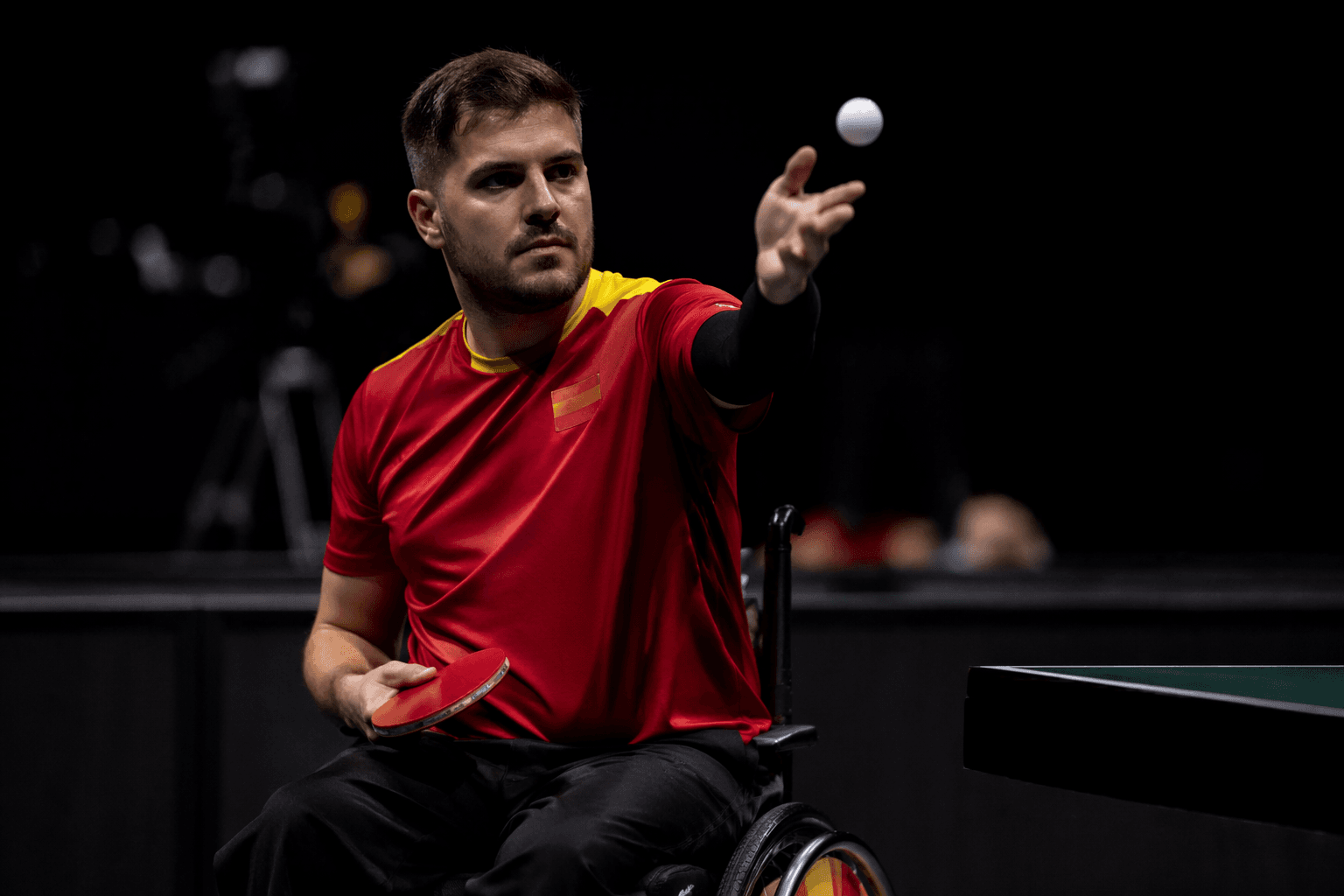
Spain landed in Nakhon Ratchasima with a seven-player singles lineup for the ITTF World Para Future, a July 13 to 16 event in Thailand that immediately put the size and range of the delegation in focus. Miguel Ángel Toledo entered class 2, Eder Rodríguez class 3, Alberto Seoane Alcaraz class 6, Alejandro Díaz class 8, José Manuel Ruiz class 10, Eduardo Cuesta class 11 and Olaia Martínez class 8, giving Spain entries across wheelchair, standing and intellectual impairment pathways.
That spread matters because Spain did not stop at singles. The roster also carried six doubles and mixed-doubles combinations: Rodríguez and Toledo in MD8, Díaz and Seoane Alcaraz in MD14, Ruiz with Yehonatan Chaim Levi in MD18, Martínez with Bhavikaben Kukadiya in WD14, Martínez again alongside Díaz in XD17, and Toledo paired with Finland’s Aino Tapola in XD4. Martínez and Toledo each doubled up, while Ruiz’s international partnership added another layer to a squad built to chase multiple brackets rather than simply collect starts.
The event itself was built for a modern Para stop. The official ITTF page listed player lists, preliminary entry information, draws and results, classification schedules, practice schedules, media coverage, live streaming and classification services, all part of a circuit that the federation’s 2026 calendar says runs to around 25 events worldwide. In that setting, Spain’s seven singles entries and six pairings point to a program that is using the Future tier as a serious competitive checkpoint, not a one-off appearance.
The scale also fits Spain’s recent Para form. RFETM fielded 23 players at the ITTF World Para Future Costa Brava 2026 in March and said the home event produced 21 medals, including nine in singles and 12 in doubles. That haul showed the Spanish group was already turning depth into podium results, and the Nakhon Ratchasima roster extended that same model by spreading its athletes across several classes and several medal routes.
For Spain, the message in Thailand was clear: this was a broad delegation with enough class balance and doubles combinations to threaten in more than one draw. The roster showed a federation leaning into volume, versatility and medal intent as the Para season moved through a packed international calendar.
This article was produced by Prism’s automated news system from verified source data, official records, and press releases, then run through automated quality and moderation checks before publishing. The system is built and supervised by the people who set the standards it runs under. Read our full AI policy.
Did this article answer your question?