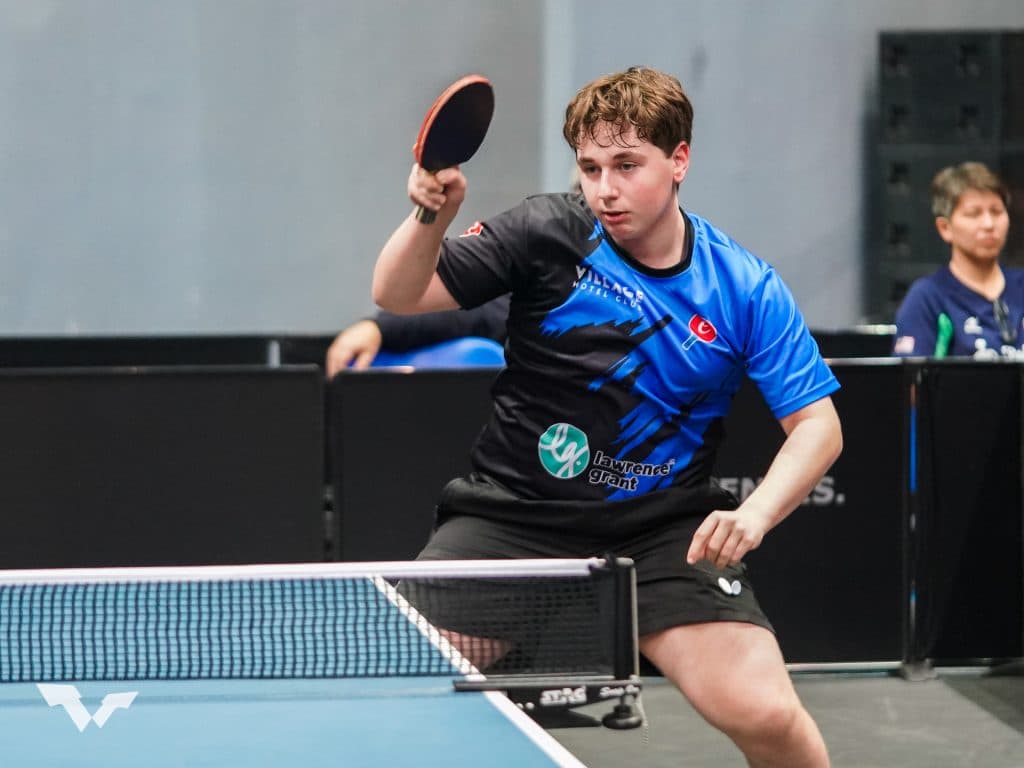
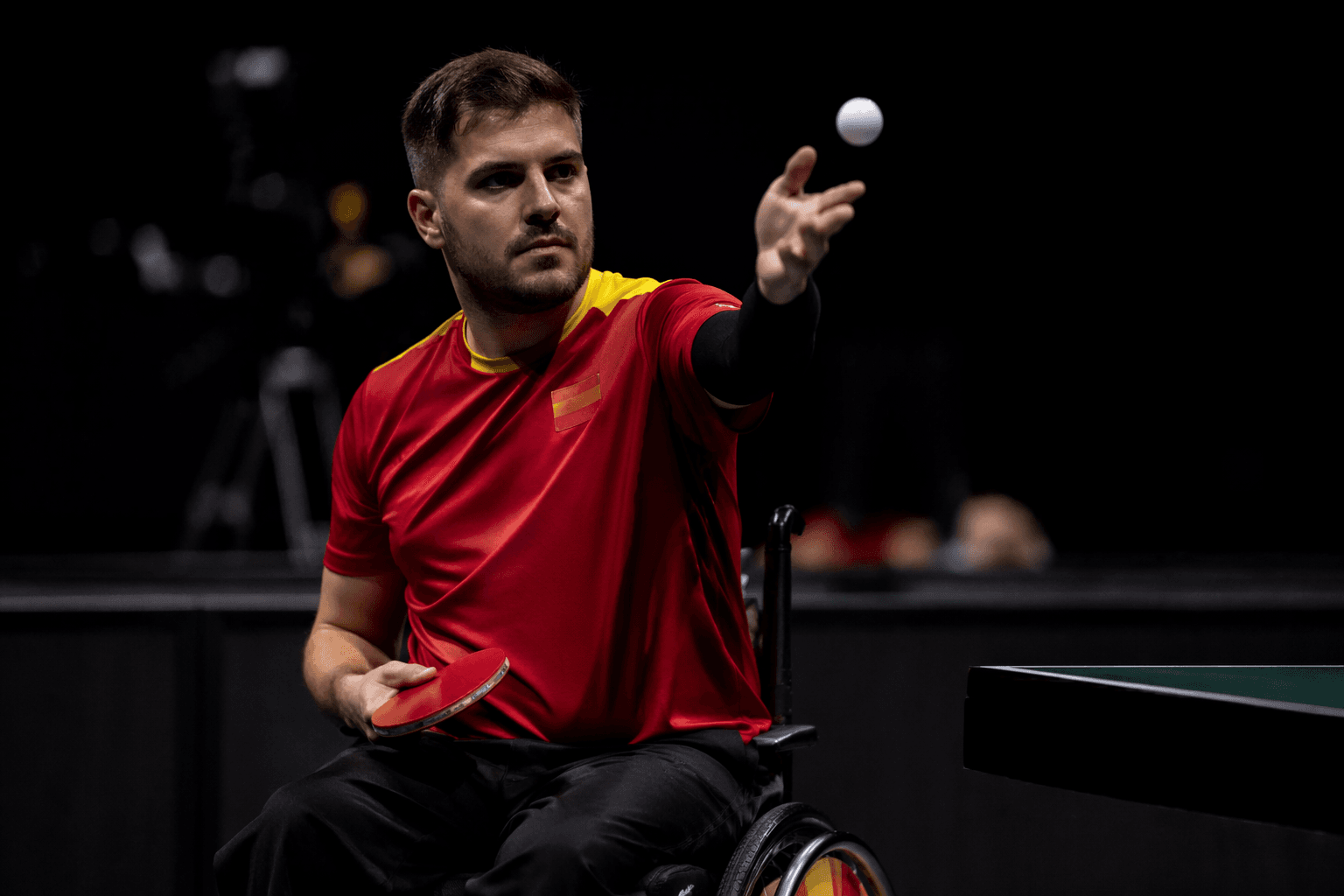
Zimbabwe hosts major table tennis event for first time in 31 years
Zimbabwe ended a 31-year wait at Glen City, hosting Region 5 table tennis with 10 nations and African Championship qualifying on the line.
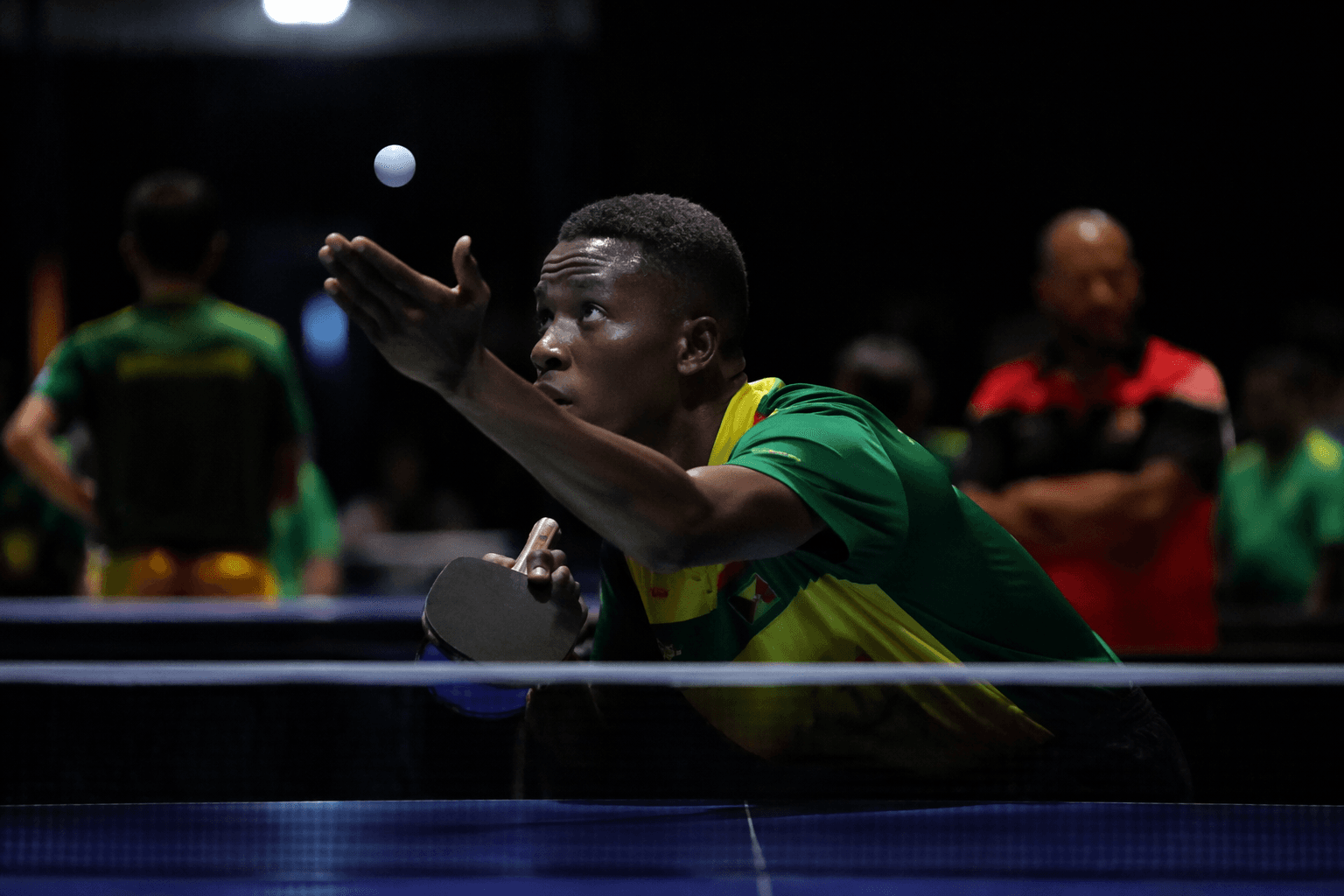
Harare’s Glen City staged the Southern Africa Regional Table Tennis Championships from July 10 to July 12, ending Zimbabwe’s 31-year wait for a major event of that scale and giving the host nation a rare chance to measure itself against the region. The tournament, branded by the African Union Sports Council as the Region 5 Table Tennis Tournament, also served as an African Championship qualifier, so the weekend carried real competitive stakes beyond the medals.
Zimbabwe last hosted a similar regional event in 1995, which made this edition more than a ceremonial return. It brought 10 nations to Harare, including Mozambique, Zambia, Malawi, South Africa, Namibia, Botswana, Eswatini, Lesotho, Angola and Zimbabwe. For the Zimbabwe Table Tennis Union, that field mattered as much as the home-court setting because it put the country back into the Southern African table tennis conversation after three decades on the outside.
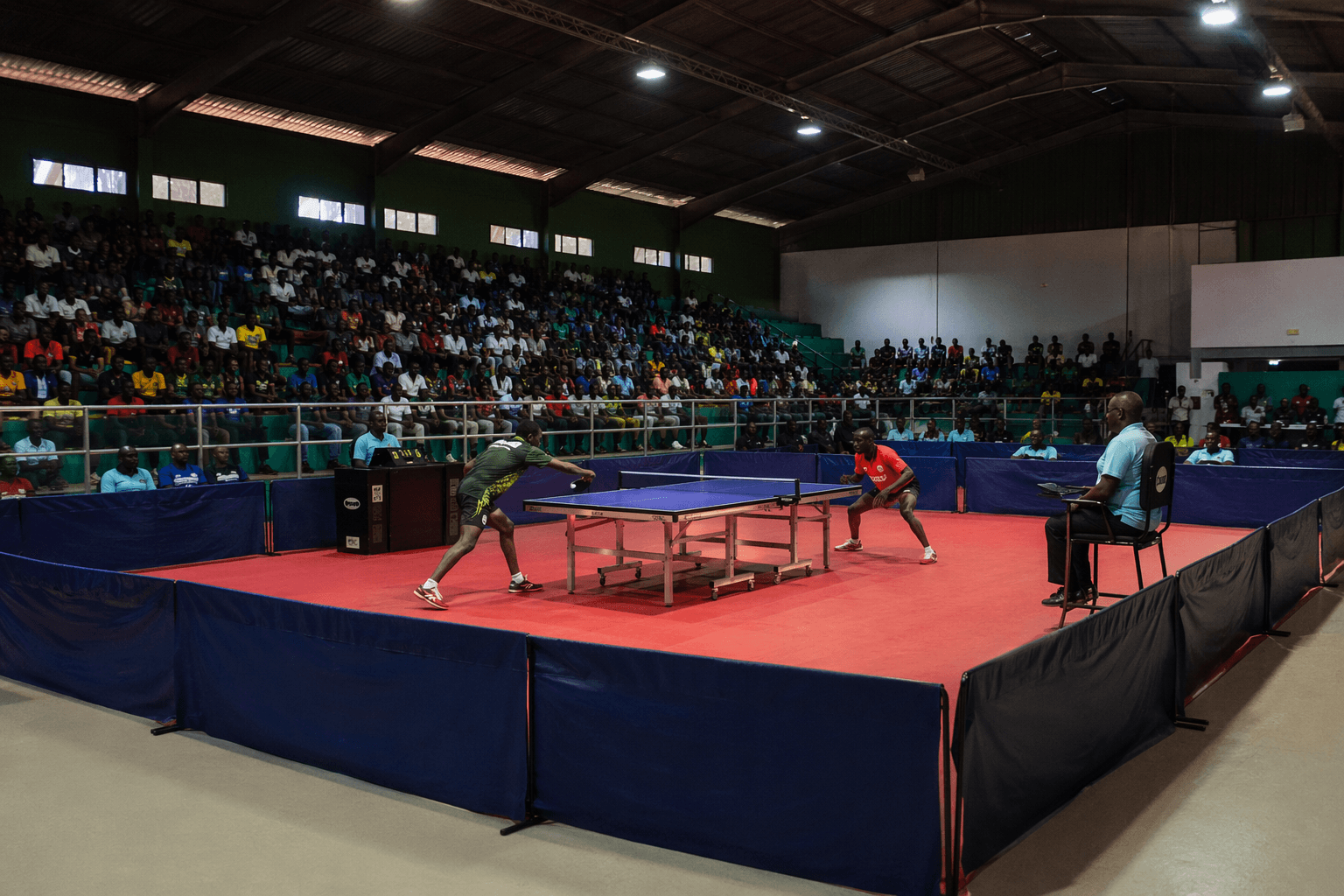
Noah Ferenando, the Zimbabwe Table Tennis Union president, said the event was made possible by backing from the Sport and Recreation Commission, the Government of Zimbabwe, private sponsors and individual supporters. The union pegged the budget at US$70,000, and a fundraising dinner on July 4 helped push the project forward. Entry was free for the public, and the union arranged transport for supporters to get to the venue, a sign that the event was being built as a crowd draw rather than an insulated elite meet.
The organizational push extended to the national team pipeline. ZTTU said all 10 provinces were involved in trials or observation sessions to help select the squad, with national ranking, current performance, coach observation and disciplinary record all part of the final call. By late June, the union had already run two training camps and had two more scheduled, while the men’s national team worked under head coach Wang Liping. Ferenando said recent Chinese donor support had helped strengthen the sport’s technical base, and the International Table Tennis Federation appraisers described the games as unique, an assessment the union can use when it lobbies for more events.
Ferenando also framed the home championship as a competitive checkpoint, not just a hosting milestone, saying Zimbabwe wanted more than participation and was aiming for a podium finish. He pointed to Wang Liping’s arrival three months earlier as a reason for the improvement, adding that the team had been trending upward after a poor run. That is the real test now: whether Harare’s 31-year reunion with major regional table tennis becomes the start of a sustained rebuild, or just a well-funded weekend.
This article was produced by Prism’s automated news system from verified source data, official records, and press releases, then run through automated quality and moderation checks before publishing. The system is built and supervised by the people who set the standards it runs under. Read our full AI policy.
Did this article answer your question?