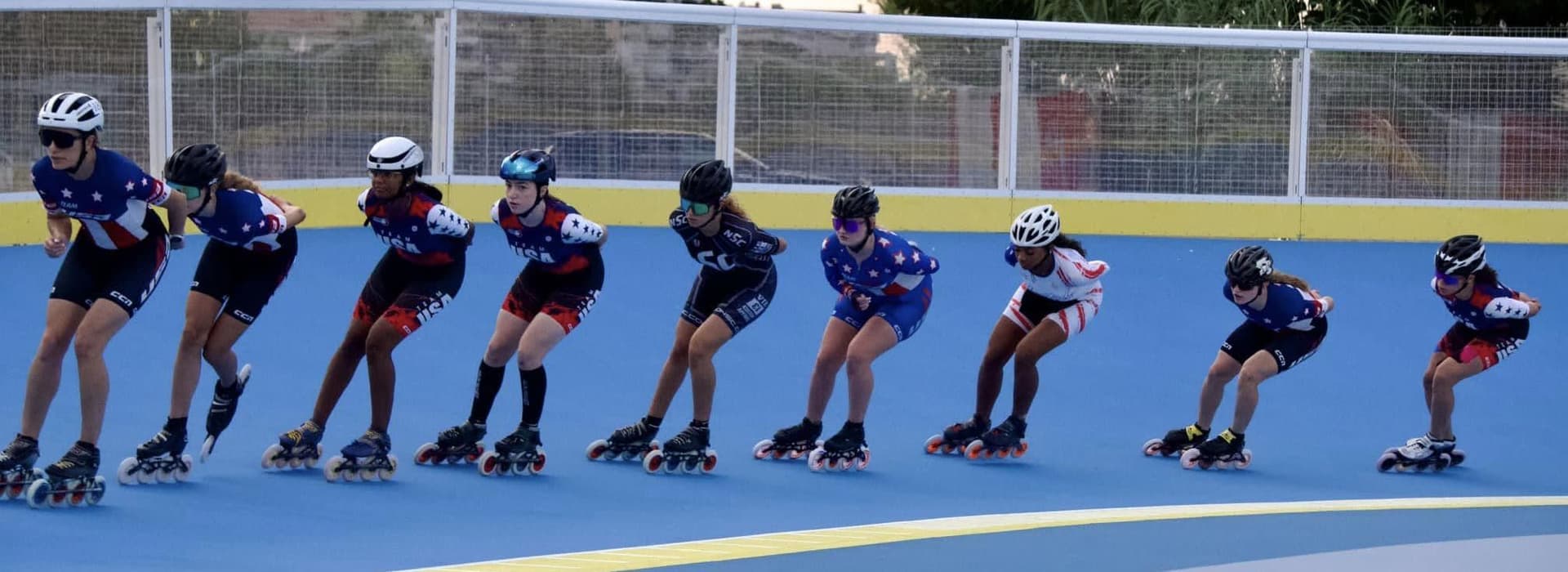
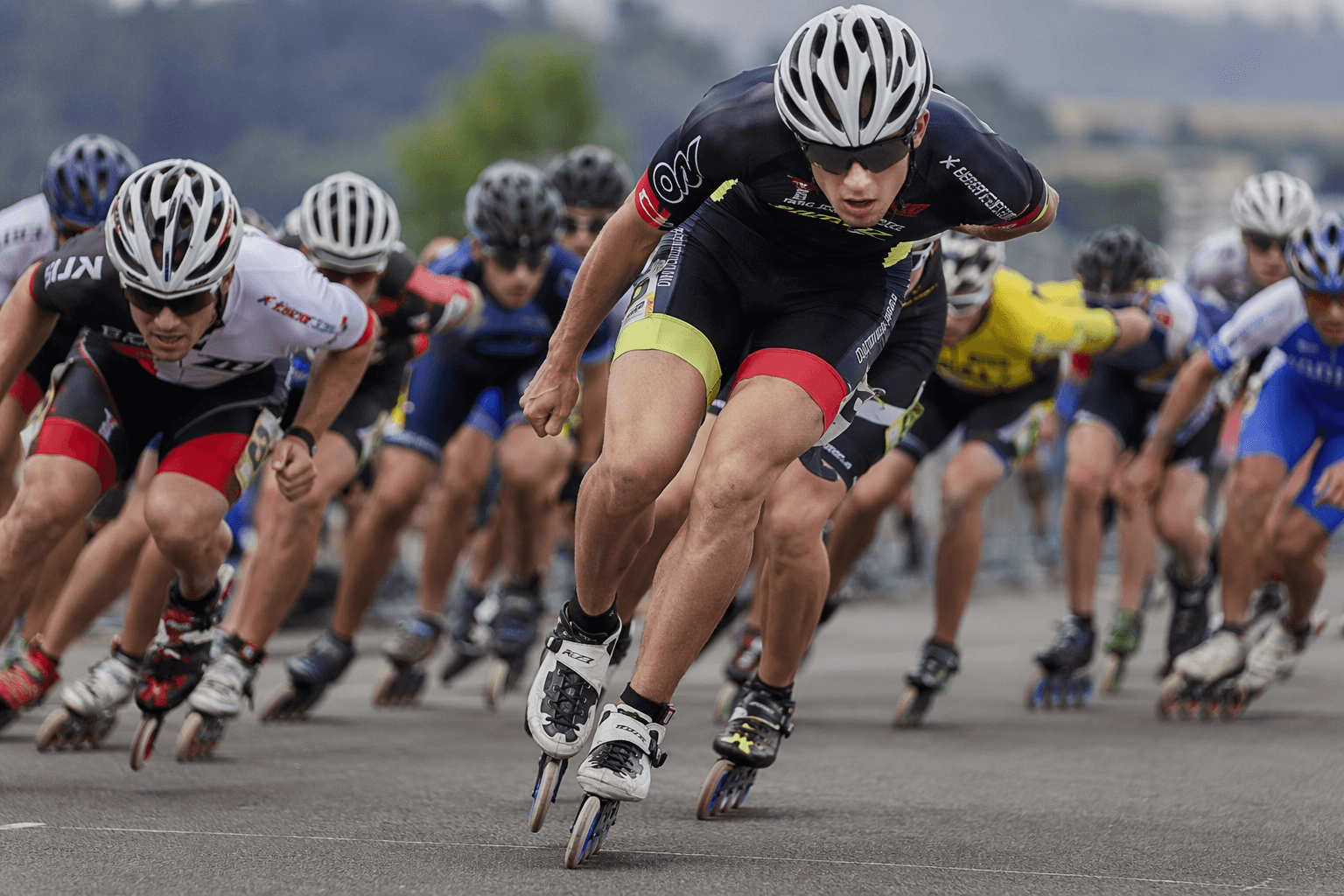
El Paso Roller Derby blends hard hits, training and community spirit
El Paso Roller Derby turns a brutal flat-track bout into a citywide entry point. At Nations Tobin, skaters train twice a week while jammers and blockers define every jam.

El Paso Roller Derby hits with the speed of a sprint and the force of a collision, but the league’s real strength is how it turns a hard-to-read sport into something local fans can learn, follow and claim as their own. At Nations Tobin Sports Center in Northeast El Paso, the flat track becomes a classroom as much as a battleground: five skaters a side, four blockers building the pack, one jammer chasing points and a crowd learning the rules as the contact unfolds.
How a jam really works
Under Women’s Flat Track Derby Association rules, each team can field up to five skaters in a jam. Four blockers make up the pack, and one jammer lines up behind the Jammer Line with the only job that adds to the scoreboard: lapping opposing blockers and earning points. The team with the most points when the game ends wins, which means every burst of speed, every screen and every lane change matters.
That structure is what makes derby accessible once you know what to watch. Blockers are not just throwing hits; they are controlling space, slowing the opposing jammer and creating openings for their own teammate. The jammer, meanwhile, has to read traffic at full speed, slip through contact and convert one pass at a time into the kind of margin that decides a bout.
Where El Paso fits in the derby map
El Paso Roller Derby is not a niche outpost trying to invent its own game. It sits inside the Women’s Flat Track Derby Association system, which serves as the international governing body for women’s flat-track roller derby and represents more than 400 member leagues on six continents. That framework places El Paso in a much larger competitive network, one that gives the league rules, rankings and road trips beyond West Texas.
The league’s own profile says it was established in September 2010, and it describes itself as El Paso’s original nonprofit flat-track roller derby league. On the WFTDA listing, it stands out in a practical way too: it is the only competitive, WFTDA-ranked flat-track roller derby league in El Paso County. That distinction matters because it gives local skaters a home base for serious competition without leaving the city behind.
Training is part of the sport, not an add-on
The contact is only one part of the work. El Paso Roller Derby skaters practice at least twice a week, add outside workouts and build the conditioning needed for a sport that asks for balance, acceleration and impact in the same shift. The league’s about page describes it as a nonprofit 501(c)(3) competitive sports organization, and its statement of purpose says it provides structured training, instruction and competition for members.
That training culture is central to how the league sustains itself. The organization says it is preparing skaters to represent El Paso at an international level, which helps explain why the calendar is built around more than a single game night. A home-team championship listed for December 6, 2025 at Nations Tobin shows how the league keeps a steady competitive rhythm anchored in the city’s recreation calendar.
The names skaters choose tell their own story
Roller derby names are part identity, part armor and part community shorthand. The league’s skaters often choose names that reflect strength and resilience, and those names become part of how the roster understands itself on and off the track. One second-year skater, Kamikaze, describes staying in the sport because the challenge and the community helped build confidence that carried into everyday life.
That matters because derby is one of the few sports where self-presentation is folded directly into competition. A name is not just decoration; it is a marker of belonging, a reminder that the athlete stepping into the pack has already decided how to show up. In El Paso, that sense of self helps turn a physically demanding sport into a social structure that skaters can grow into.
A league that has grown with the city
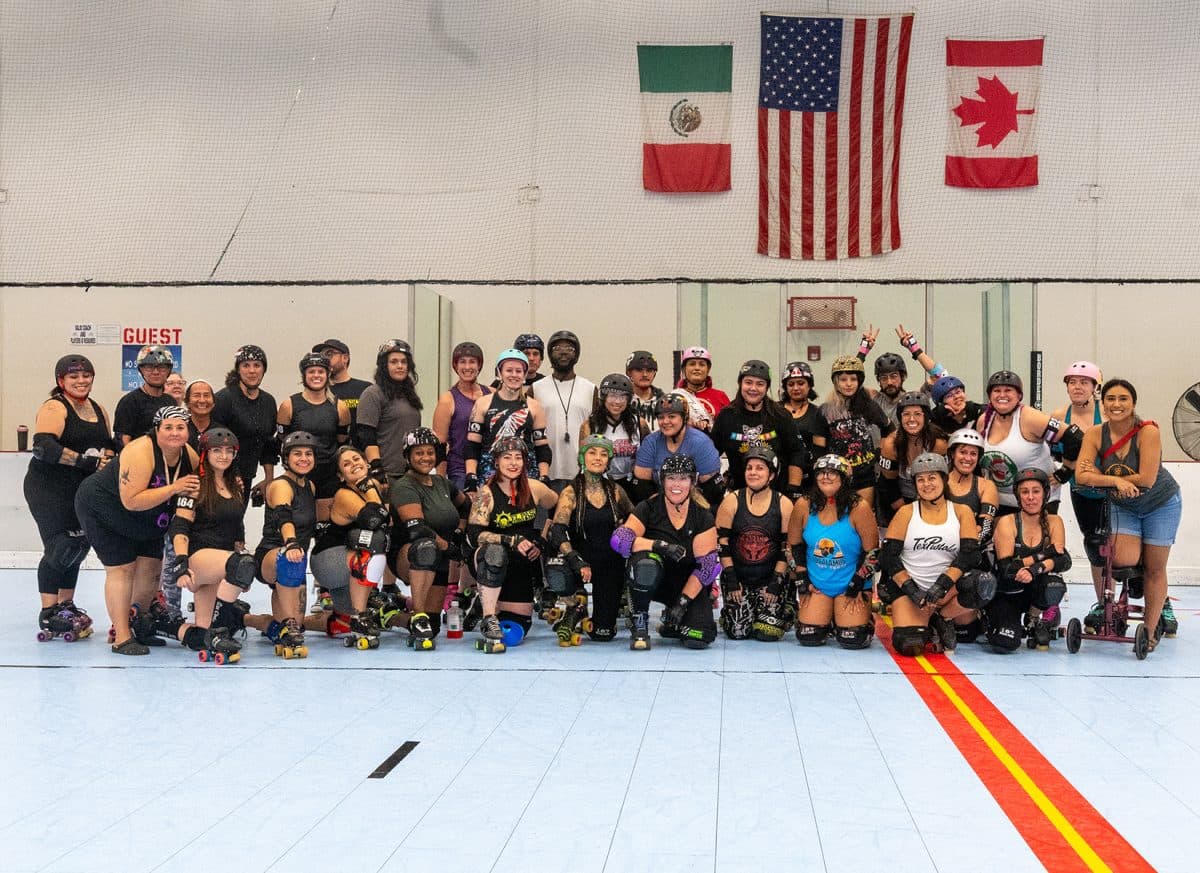
El Paso Roller Derby’s current footprint is larger than the league it was a few years ago. By 2023, it had four teams and nearly 60 members, and it had already played internationally in Mexico the year before. Those details point to a group that is not only surviving in one market but expanding its reach while staying rooted in the borderland geography of El Paso.
The league also travels within the Southwest Region, which keeps its competition tied to a broader Western circuit while preserving its local identity. That balance, between home and road, is part of what makes the league legible to new fans: the same skaters who train at Nations Tobin can also represent El Paso against opponents outside Texas, bringing the city’s style with them.
A deeper history behind the modern flat track
The modern version of flat-track roller derby is newer than many fans realize, even if the sport’s roots stretch back much further. WFTDA history says 20 flat-track leagues were represented at the first ULC meeting in 2005, and the association opened to new members in September 2006. Another WFTDA history source traces the broader roller derby phenomenon back to 1936, linking today’s game to a much longer culture of speed, physicality and spectacle.
That history helps explain why El Paso Roller Derby reads as both a contemporary sports league and a civic gathering place. The bout is the sharpest expression of what the league does, but the bigger story is how it uses a nonprofit model, structured training and a recognizable home venue to keep women’s flat-track roller derby visible in West Texas. At Nations Tobin Sports Center, 8831 Railroad Drive, the hits are real, the strategy is precise and the community around them keeps getting stronger.
This article was produced by Prism’s automated news system from verified source data, official records, and press releases, then run through automated quality and moderation checks before publishing. The system is built and supervised by the people who set the standards it runs under. Read our full AI policy.
Did this article answer your question?