Flat-track roller derby explained through jams, jammers and star passes
The first thing to watch is not the lap count but who owns the jam. Lead jammer status and a clean star pass can flip a bout faster than raw speed.
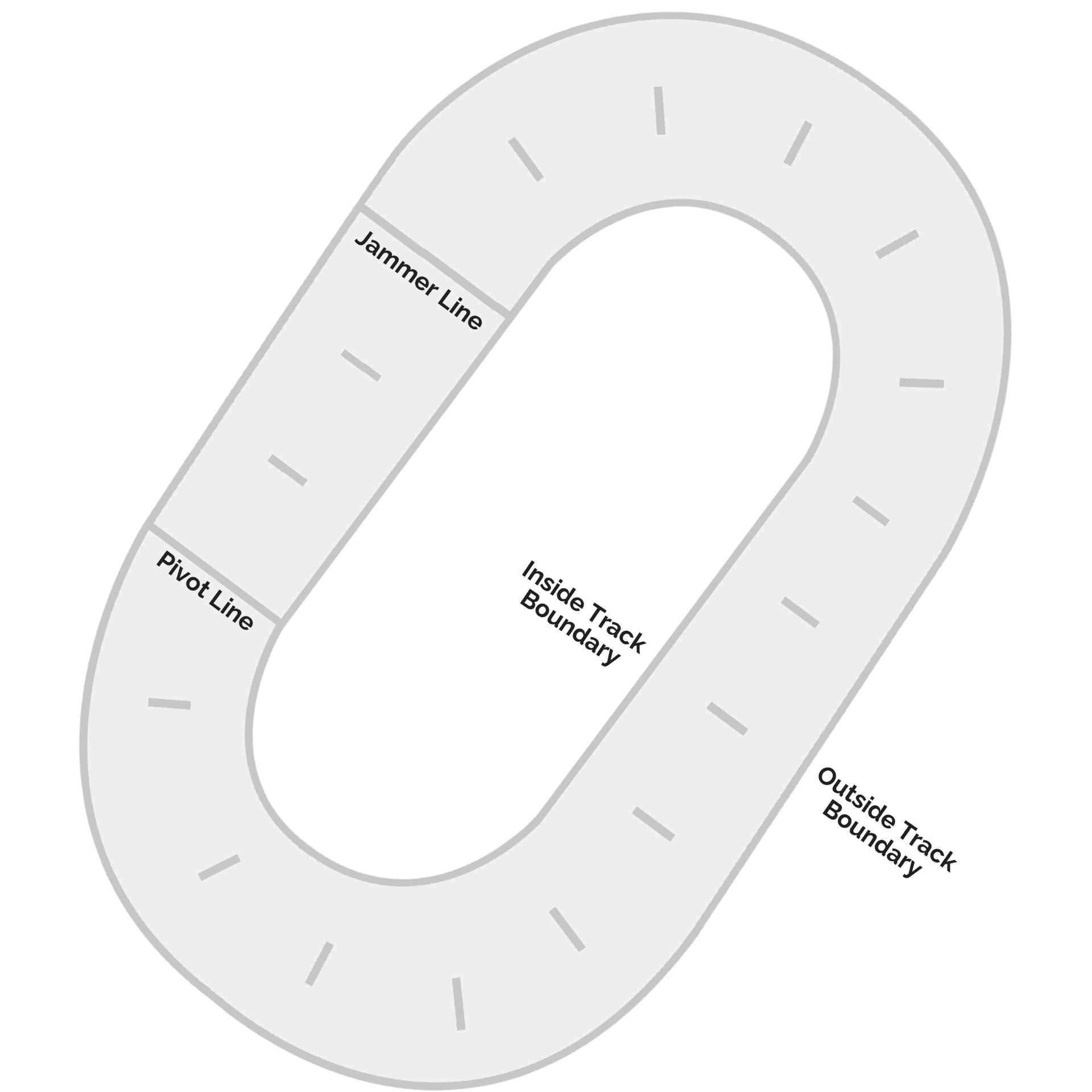
A flat-track derby bout lasts 60 minutes, but the score turns in short, violent bursts called jams. If you want to follow flat-track derby in real time, ignore the temptation to treat it like a simple race. The smartest teams are usually the ones that control when those bursts start, when they stop, and who gets to score inside them.
How a bout is built
It is split into two 30-minute periods with halftime in between. Each jam can run up to two minutes, with at least 30 seconds between jams for the next setup.
Each team may field up to five skaters during a jam. Four are blockers, and one is the jammer, with one blocker able to serve as the pivot. Most of the time, skaters stay in those roles for the full jam, which is why the pivot matters so much once the action starts to bend and reset.
The part of the pack that actually decides the game
The jammer is the only skater who can score. The basic scoring mechanic is simple once you see it: after a jammer breaks through the pack and becomes eligible to score, every opposing blocker they lap is worth a point. That means the first trip through traffic is about permission, not points, and the trips after that are where the scoreboard starts moving.
Blockers slow the opposing jammer, protect their own jammer, and force the action into the least efficient lane possible. The best walls make the other team spend time and energy just to get to the place where scoring can begin.
Why lead jammer status changes everything
Lead jammer status goes to the first eligible jammer to establish superior position to the foremost in-play blocker. That sounds technical, but in practice it is the most important race inside the race. The lead jammer gets the tactical advantage of deciding when the jam ends, because that jammer can call it off early.
That one rule changes how both teams manage speed. Sometimes the fastest skater is not the most valuable one if the other side wins lead jammer and can shut the jam down before a big scoring run develops. Teams are constantly weighing whether to press for points or to protect the clock.
A sample jam, step by step
Here is what a real momentum swing looks like:
1. The jam starts with four blockers and one jammer for each team on the track, and both jammers fight to clear the pack first.
2. One jammer breaks through cleanly and becomes eligible to score.
The other is still trapped in traffic, trying to find a lane or a teammate’s help.
3. The first jammer also establishes superior position to the foremost in-play blocker and earns lead jammer status.
At that moment, the other team is already on the back foot.
4. The lead jammer then slices back through the pack.
Every opposing blocker they lap adds a point, but the defense is still trying to stop the run before it starts.
5. If the defense forces a reset, the attacking team can use a legal star pass.
The original jammer hands the star to the pivot while both skaters are upright, in bounds, in play, and not heading to the penalty box.
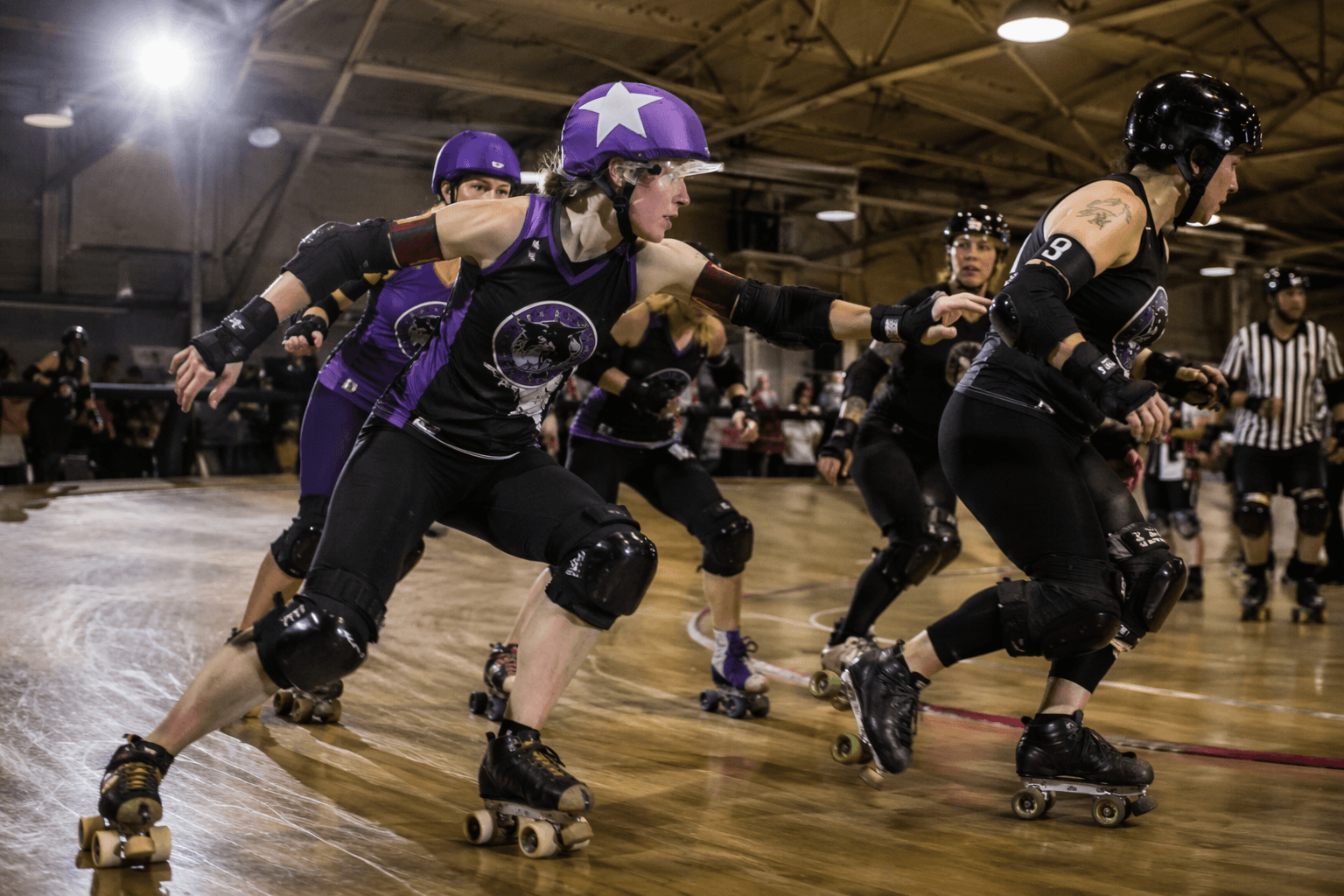
6. That pivot becomes the new scoring threat.
A successful star pass swaps scoring status between the jammer and pivot, so the team can keep the jam alive with a fresh scorer when the original jammer is bottled up.
7. If the lead jammer thinks the damage is done, they can call off the jam early and freeze the score before the other side gets a chance to answer.
The star pass is more than a bailout
A legal star pass lets a team move scoring authority from the jammer to the pivot. The jammer hands the star to the pivot while both skaters are upright, in bounds, in play, and not en route to the penalty box.
When a defense jams the original scorer into traffic, the pivot can take over and turn a stalled attack into a new scoring problem.
The game is built around controlled contact, not chaos
Derby is physical, but it is not lawless. Contact to an opponent’s head, back, knees, lower legs, or feet is illegal under WFTDA rules. Unsafe or illegal contact can send a skater to the penalty box for 30 seconds of jam time, and that penalty clock is often as damaging as the hit itself.
Blockers have to be aggressive enough to shape the pack, but controlled enough to avoid handing the other team free space and a power advantage. When a team loses a skater to the penalty box, the whole geometry of the jam changes.
How the modern sport got here
Modern women’s flat-track roller derby got its start in Austin, Texas in the early 2000s. The Women’s Flat Track Derby Association began in 2004 as the United Leagues Coalition, and 20 flat-track leagues were represented at the first ULC meeting in 2005.
Roller derby was first conceived in the 1930s, was played on banked track, and faded in popularity in the 1970s before the flat-track revival. The current ruleset on WFTDA’s site is labeled 2025.01.01.
The scale of the sport is bigger than the rink
The postseason structure shows how far derby has grown. In 2024, WFTDA staged regional championships in North America-Northeast, Europe, Oceania, North America-West, and North America-South before Global Championships in Portland, Oregon, from November 1-3, 2024. WFTDA also selected a 13-team bracket for that event to fit as many contenders as possible.
Why the safety data still matters
A pilot study of a Kansas City women’s flat-track roller derby league found injuries were reported by 79% of respondents, 50% had multiple injuries, and 64% required medical attention.
This article was produced by Prism’s automated news system from verified source data, official records, and press releases, then run through automated quality and moderation checks before publishing. The system is built and supervised by the people who set the standards it runs under. Read our full AI policy.
Did this article answer your question?