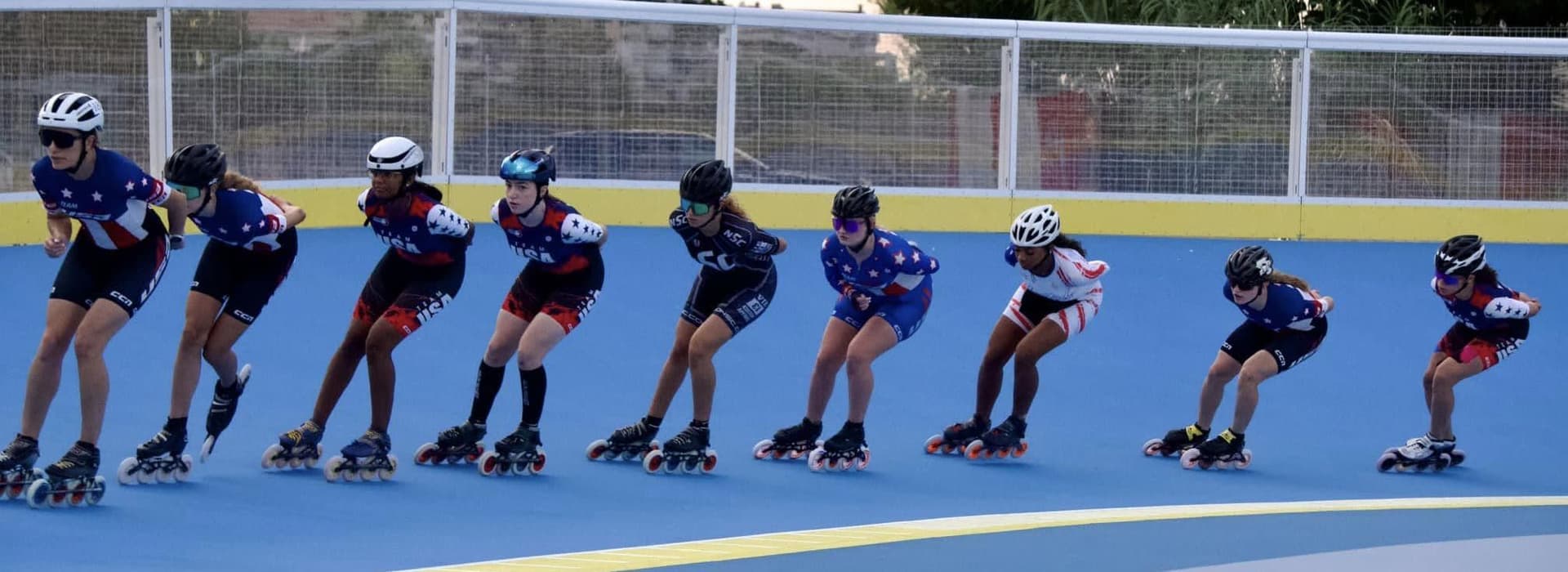
How roller skating evolved from novelty to global sport
Plimpton’s quad skate turned roller skating from a novelty into a sport with rules, rinks, and disciplines that still define speed, dance, derby, and inline competition.
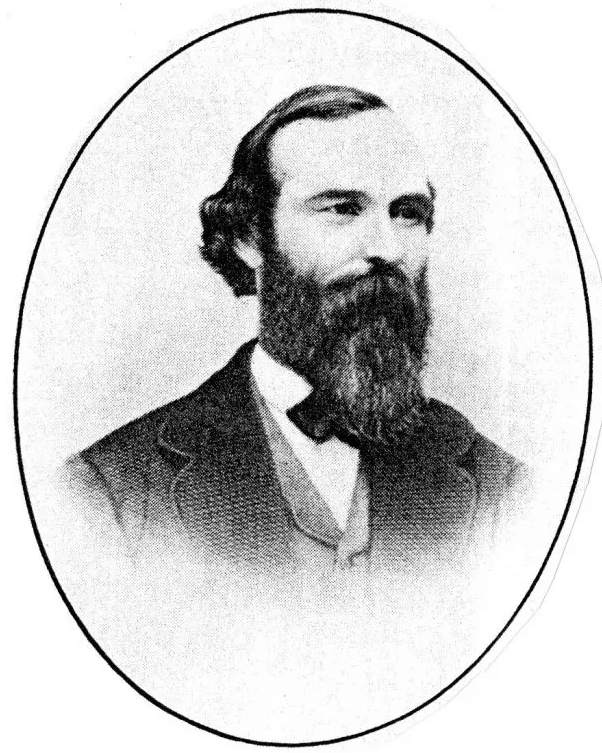
Plimpton’s four-wheel skate changed the game before the game even existed. Once James Plimpton replaced the hard-to-control in-line setup with two parallel pairs of wheels and springy trucks in Medford, Massachusetts, roller skating stopped being a curiosity and became something people could actually race, judge, and repeat.
From novelty to a practical sport
The earliest story starts in the 1760s, when Joseph Merlin is traditionally credited with inventing roller skates. Britannica traces early patent activity to M. Petibled of Paris in 1819, but those early models were awkward machines, difficult to stop and hard to turn. That limitation mattered: until skates could respond cleanly to body weight and direction, roller skating could not develop the technical demands that separate a pastime from a sport.
Plimpton’s 1863 design solved that problem. By putting the wheels into two parallel pairs and mounting them on springy trucks, he gave skaters the ability to shift, carve, and maneuver with control. The quad layout made skating accessible enough to spread, and precise enough to sustain competition. Even after Plimpton’s skate company was founded in 1898, the basic quad design remained essentially unchanged, a sign that the breakthrough had already settled the core geometry of the sport.
The rink era and the first big craze
Once the quad arrived, skating moved fast from invention to social phenomenon. Britannica describes the Plimpton skate as the spark for the first great roller-skating craze in the United States and western Europe, with rinks appearing in small towns and major cities alike. The culture around skating also broadened quickly: the Library of Congress says roller skating became a fad in the 1880s and then revived again in April 1905, when rinks opened in New England and New Jersey.
That was not just a matter of fashion, though fashion mattered. An 1880 Library of Congress image captures a fashionable roller-skating rink in Washington, D.C., showing how quickly the pastime moved into mainstream social life. By the turn of the 20th century, major venues such as Chicago Coliseum and Madison Square Garden were drawing huge opening-night crowds, which tells you the scale had already moved beyond neighborhood amusement and into mass entertainment.
How the rules and institutions caught up
The sport’s formal structure followed the equipment boom. The National Skating Association of Great Britain began governing roller skating in the 1880s, a sign that the game had become organized enough to require oversight. In North America, the International Skating Union of America was founded in 1891 to govern both ice and roller skating in the United States and Canada, linking the two skating worlds even as roller skating developed its own identity.
The American governance picture changed again in 1937, when the first U.S. roller speed skating championships were held and the Roller Skating Rink Operators Association formed in the same year. United States Amateur Roller Skating Association followed in 1939, and the major American roller-skating groups merged in 1972 into what became USA Roller Sports. That organization says it has sponsored amateur roller skating competitions since 1937, and it is now recognized by World Skate and the USOPC as the national governing body for competitive roller sports in the United States.

Why roller skating became several sports at once
The modern sport family is broad because the equipment became adaptable. Britannica’s contemporary overview places speed skating, hockey, figure skating, dancing, street-style, and vertical competitions under the roller-skating umbrella, and that range explains why the sport looks so different from one rink or park to the next. A straight-ahead speed race asks for line choice and acceleration; figure and dance ask for edge control, rhythm, and presentation; street-style and vertical events translate skating into tricks and terrain.
USA Roller Sports adds another layer to that structure by identifying competitive roller sports in the United States as including speed, figure, hockey, roller derby, and other extreme sports. Derby became an official USARS discipline in 2011, which formalized a format that had long existed as a separate culture of contact, strategy, and pace. That move matters because it shows the sport is still evolving through rule-making, not just preserving old forms.
The international step from pastime to world sport
Roller skating’s global reach was built discipline by discipline. World Skate says its predecessor, the Federation Internationale de Patinage a Roulettes, was formed in 1924 to conduct roller hockey competitions in western Europe. That international framework later gave the sport a stage beyond national rinks, with roller hockey appearing as a demonstration sport at the 1992 Olympic Games in Barcelona.
World Skate also marks two milestone championships that reveal how unevenly the disciplines matured. Artistic Roller Skating held its first world championships in Washington, D.C., in 1947, while inline roller hockey staged its first world championship in Chicago in 1995. The gap between those dates shows the sport’s internal branching: some forms gained formal world titles earlier, while others waited for newer equipment and new international demand to catch up.
The sport today still reflects the same turning points
Roller skating’s modern identity is still tied to the same breakthroughs that made it possible in the first place. Joseph Merlin’s early experiment, M. Petibled’s patent era, and Plimpton’s quad design each mark a step away from novelty and toward performance. The rinks, governing bodies, and world championships followed because the skate itself finally gave athletes something stable enough to standardize and expressive enough to judge.
That is why roller skating remains unusually broad for a single sport. The same family now spans speed, hockey, figure skating, dancing, street-style, vertical, derby, and inline competition, all under institutions that emerged from the need to organize a machine that was once just a curiosity with wheels.
This article was produced by Prism’s automated news system from verified source data, official records, and press releases, then run through automated quality and moderation checks before publishing. The system is built and supervised by the people who set the standards it runs under. Read our full AI policy.
Did this article answer your question?