How roller skating grew from rink hockey into a global sport
Rink hockey built the federation first, and that structure later carried speed, artistic and inline disciplines onto the world stage.

Roller skating’s global rise started with a very specific kind of organization: rink hockey came first, and everything else followed the structure it created. In Montreux, Switzerland, in 1924, Fred Renkewitz and Otto Myer helped form the Fédération Internationale de Patinage a Roulettes, with four European countries represented at the founding meeting. That federation did not just name a sport, it created the administrative backbone that let roller skating expand into a family of disciplines with shared rules, shared championships, and a shared international identity.
Montreux gave roller skating its governing spine
The 1924 founding in Montreux mattered because it turned a scattered pastime into an international system. The federation quickly moved beyond discussion and into competition planning, setting up a 1926 European Championship in England that drew six countries. That early jump from four founding nations to six teams in a championship field shows how quickly a formal calendar could turn a niche discipline into cross-border sport.
Rink hockey sat at the center of that development. It was not merely one event among many, but the first discipline around which the federation organized itself. That sequence matters: before speed skating, before artistic skating, before inline hockey became a world championship sport, the sport needed a body capable of standardizing competition and bringing countries into one structure. Montreux was the place where roller skating stopped being local and started becoming institutional.
Rink hockey set the template for everything that came later
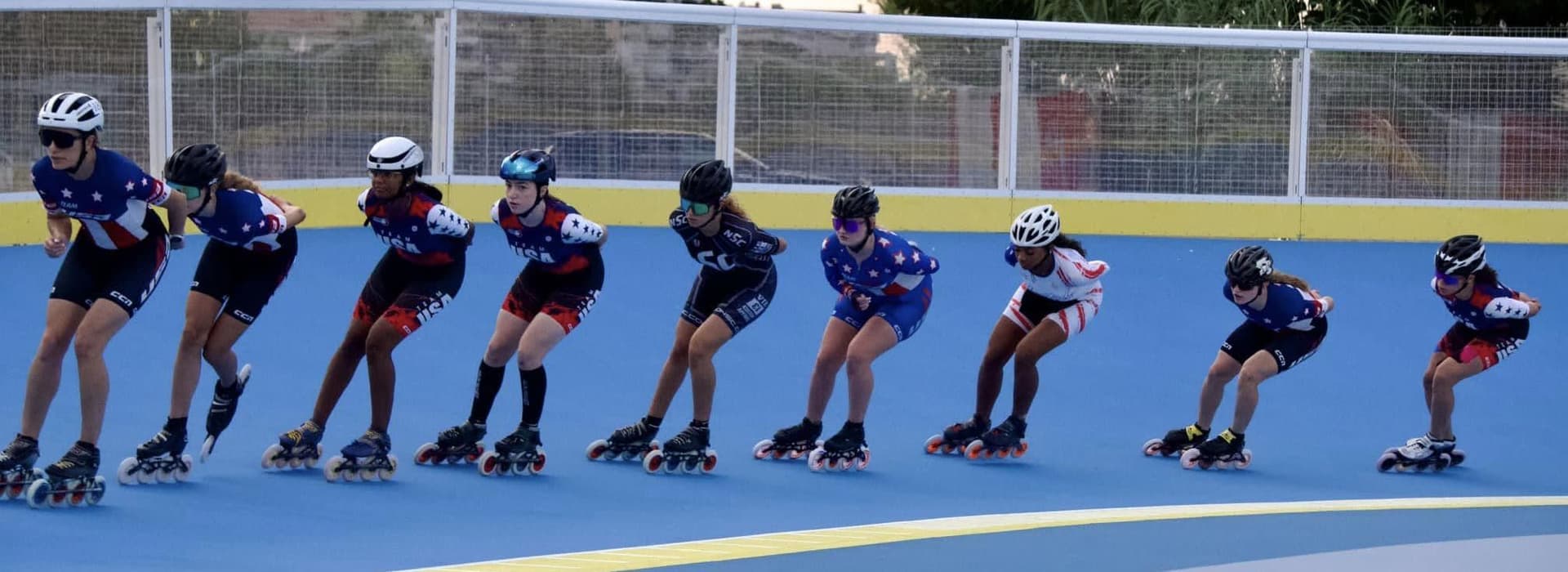
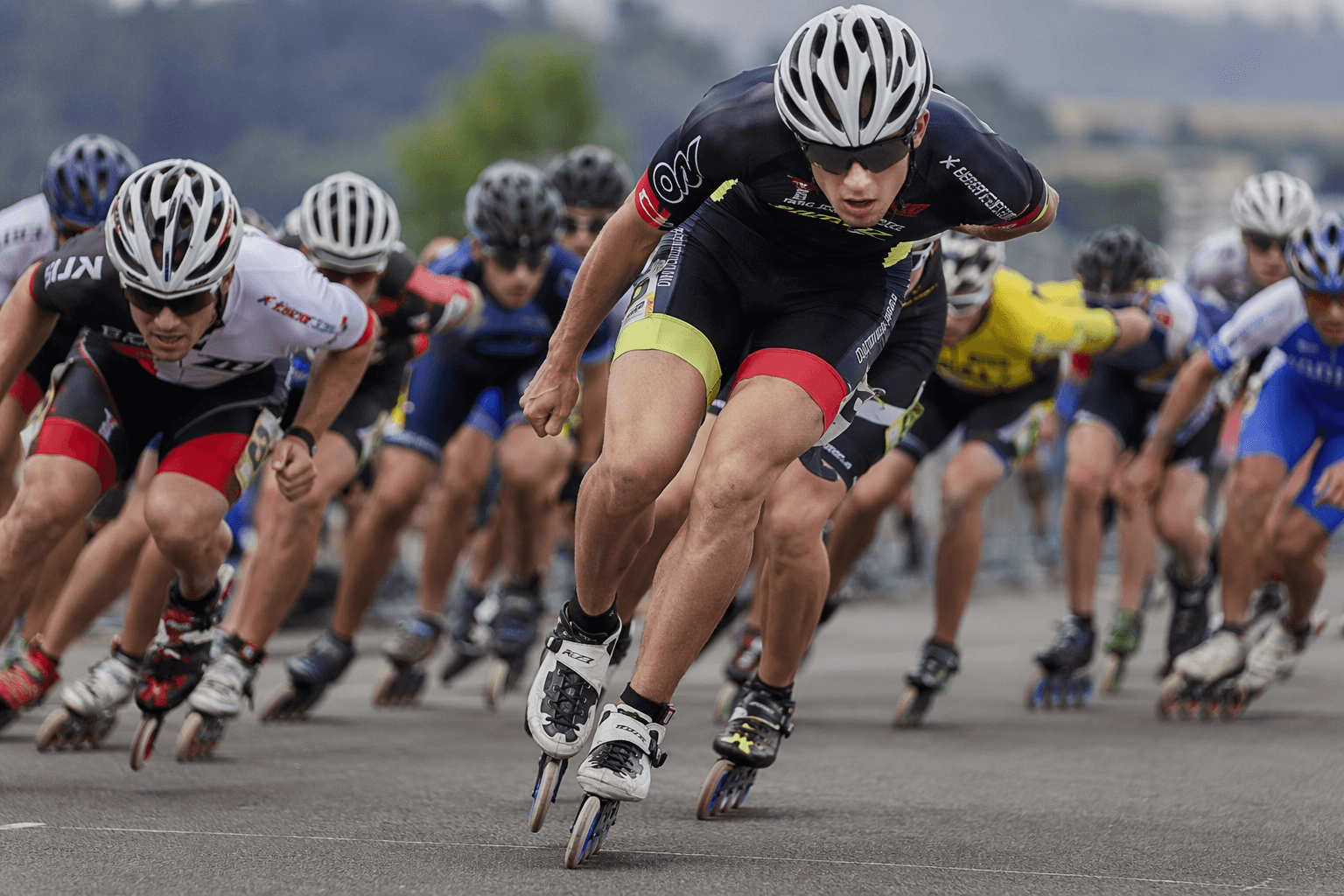
World Skate’s own history makes the order unmistakable. The first FIPR world championship was rink hockey in 1936, followed by roller speed skating on the road in 1937 and track speed skating in 1938. That progression shows how a federation built around one discipline could widen its mandate without losing coherence. Once one championship existed, the others could be slotted into the same international framework.
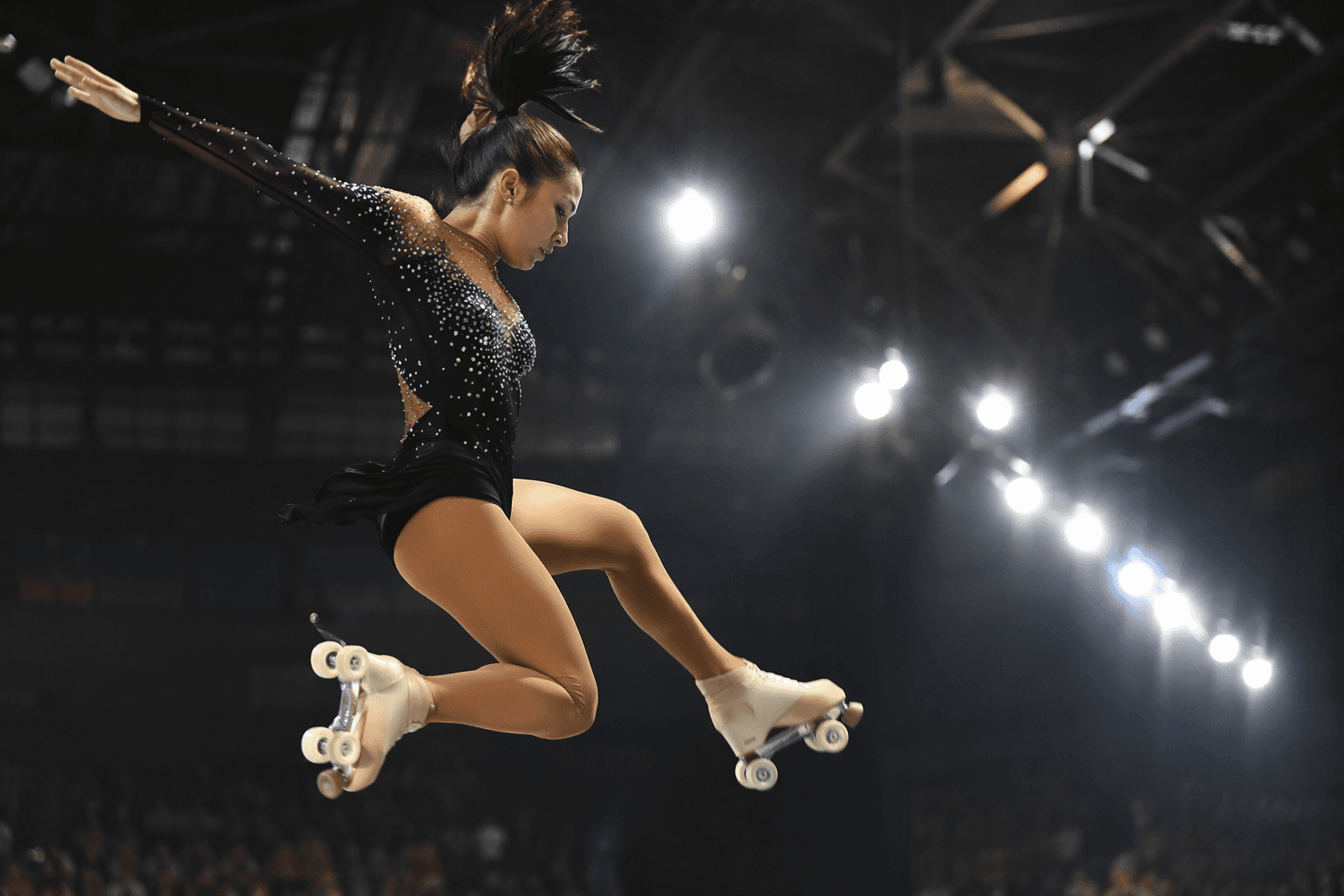
World War II interrupted that momentum, but the sport’s structure survived long enough to restart. In 1947, rink hockey returned in Lisbon, and artistic roller skating held its first FIPR World Championships in Washington, USA. That restart is important because it shows the federation was not just surviving by inertia. It was strong enough to resume competition in multiple disciplines, in multiple countries, after a global break that would have destroyed a weaker system.
The sport’s growth was not static after that. Until 1980, artistic results were awarded as a combined event rather than as separate free and figure medals. That detail is more than a scoring footnote. It shows that the competitive architecture of roller skating kept changing as the sport matured, with categories, medals, and judging systems becoming more specialized over time. The federation did not simply preserve tradition; it kept redrawing the map of what counted as competition.
The name change reflected a bigger international role
In the mid-1960s, FIPR became the Fédération Internationale de Roller Skating, a shift tied to official International Olympic Committee recognition as the international governing body for all roller skating. That change signaled more than a new acronym. It marked the point at which the federation’s authority extended beyond the discipline that had launched it and into the broader concept of roller skating as a global sport family.
That institutional expansion helps explain why roller skating developed so many branches under one umbrella. A sport needs more than athletes and equipment to travel well across borders. It needs a rules body, a championship pathway, and a governing name that national federations can rally around. By the time FIPR became FIRS, the sport had already proved that a single federation could support multiple disciplines without fragmenting their identity.
Olympic visibility and new branches kept the sport expanding
The later history of roller hockey shows how that federated model kept generating new competitive milestones. Roller hockey was shown as a demonstration sport at the 1992 Barcelona Olympics, bringing the discipline onto one of the biggest stages in world sport. Three years later, inline roller hockey staged its first world championship in Chicago in 1995. Those two dates show the same pattern seen in the federation’s early years: one discipline opens the door, then another format builds on the same international structure.
That is the key cause-and-effect chain in roller skating’s rise. Rink hockey helped create the federation. The federation created championships. Championships gave roller skating an international calendar and a recognized competitive order. Once that existed, speed skating, artistic skating, roller hockey, and inline roller hockey could all grow under the same umbrella rather than as disconnected sports.
For today’s sport, that history still matters in concrete ways:
- It explains why roller skating is organized as a multi-discipline system rather than a single event.
- It shows why federation history is inseparable from competitive history.
- It reveals how one early discipline, rink hockey, became the administrative engine for later growth.
- It clarifies why international identity in roller skating has always depended on rule-making as much as athletic performance.
The modern sport’s structure still reflects that origin story. Montreux, the 1926 European Championship in England, the first world titles in 1936, the postwar restart in 1947, the 1960s name change, and the Olympic-era expansion of roller hockey all point to the same conclusion: roller skating did not simply spread across the world on its own. It was built, discipline by discipline, by a federation that started with rink hockey and learned how to make every branch of the sport speak the same international language.
This article was produced by Prism’s automated news system from verified source data, official records, and press releases, then run through automated quality and moderation checks before publishing. The system is built and supervised by the people who set the standards it runs under. Read our full AI policy.
Did this article answer your question?