Italy reaches five finals at roller freestyle World Cup in Ostia
Italy put five skaters into World Cup finals in Ostia, a sign the home freestyle pipeline is turning depth into real podium pressure on a global stage.
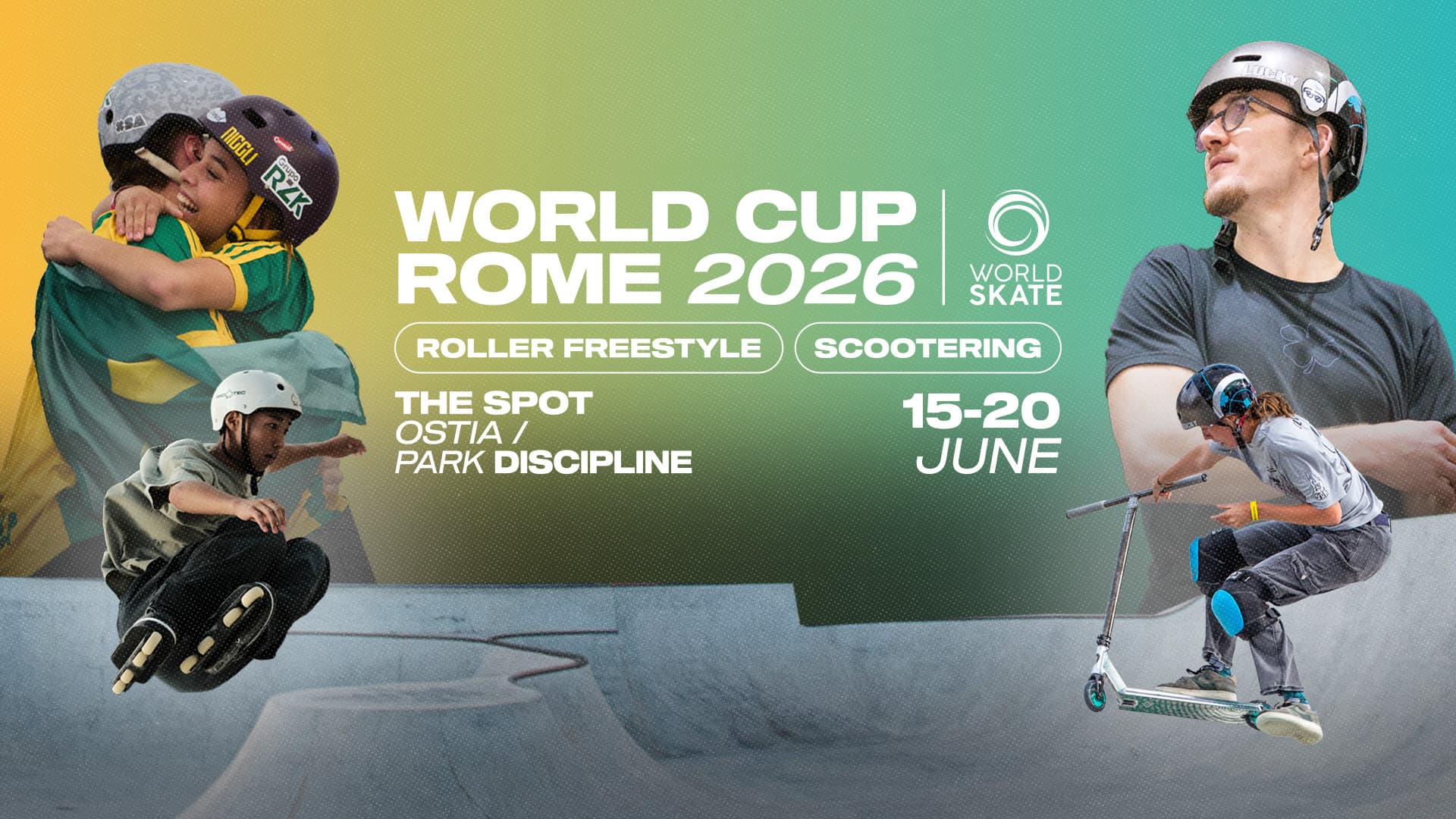
Italy left Ostia with a clear marker of progress: five finals at the Roller Freestyle Park World Cup, a result that says more about the shape of the program than any single medal count could. At The Spot Skatepark, on Rome’s coast, the home federation showed it could put athletes into the last round in a setting built for global pressure, not just local comfort.
The event ran from June 15 to 20 and sat inside World Skate’s broader Rome stop, with roller freestyle sharing the week with skateboarding and scootering. Finals were scheduled for Saturday, June 20, after practice, qualifying and semifinal rounds had already narrowed the field in men’s, women’s, junior men’s and junior women’s Park competition. That format mattered: every Italian finalist had to survive a week-long gauntlet, not a one-day pop-up contest.
For Federazione Italiana Sport Rotellistici, the five-final return was the most encouraging number of the week. It pointed to depth across categories rather than a one-off surge from a single standout. In a discipline still fighting for space, that kind of spread matters because it suggests Italy is building a pipeline that can keep producing riders who are competitive when the judging gets tighter and the margins get smaller.

The setting amplified the stakes. World Skate described Ostia as one of Europe’s leading urban sports destinations, and the Rome stop was framed as a source of ranking points and global exposure. That changes the feel of the competition. Roller freestyle athletes were not isolated in a niche event with a thin spotlight; they were inside a multi-sport action-sports week, with skateboarding’s Park program in Ostia from June 7 to 14, roller freestyle and scootering from June 15 to 20, and skateboarding street at Colle Oppio from June 14 to 21.
That kind of staging is more than a scheduling detail. It gives roller freestyle a bigger broadcast footprint, a louder venue and a championship atmosphere that stand-alone meets cannot always match. It also raises the bar. Athletes have to perform under the same kind of public attention and Olympic-pathway scrutiny that now surrounds skateboarding, especially with Rome opening the LA28 qualification period. Italy’s five finals in Ostia did not finish the job, but they did show a program that is moving from promise to repeatable world-level relevance.
This article was produced by Prism’s automated news system from verified source data, official records, and press releases, then run through automated quality and moderation checks before publishing. The system is built and supervised by the people who set the standards it runs under. Read our full AI policy.
Did this article answer your question?