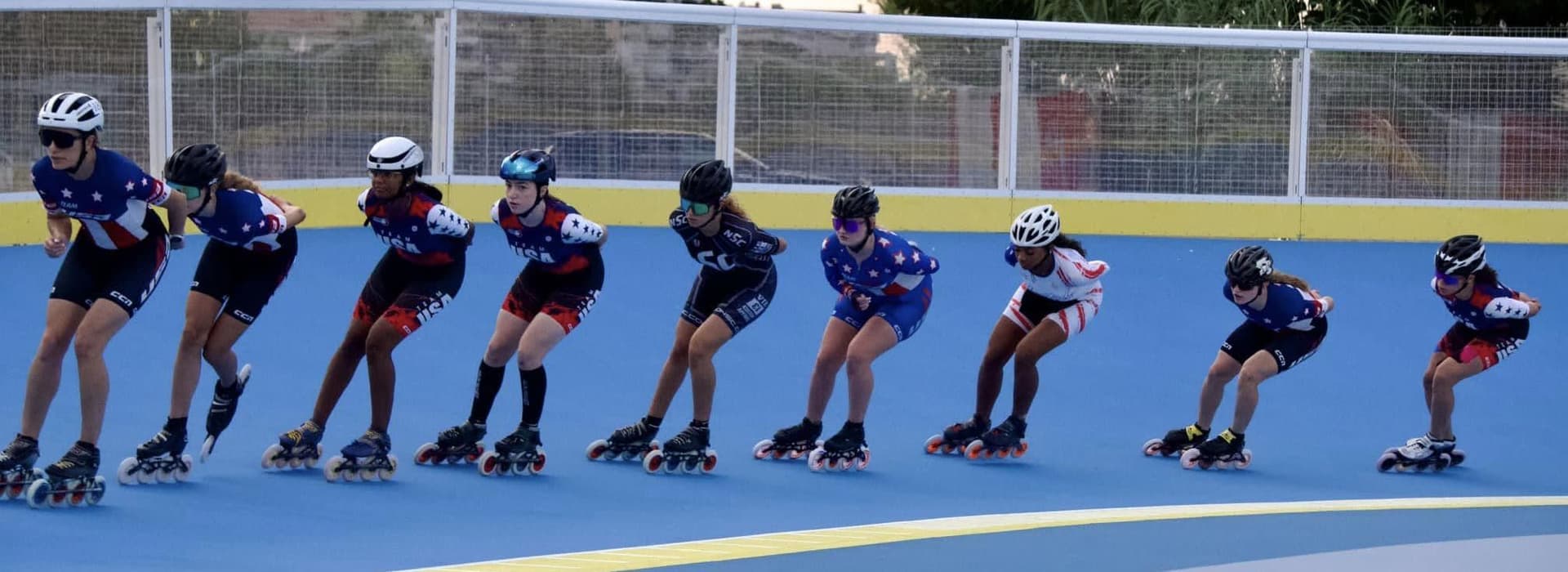
Jersey Shore Roller Derby blends hard hits with community recovery
Jersey Shore Roller Derby is back on track, with a Winding River bout showing how modern derby pairs hard hits with strategy, volunteer labor and community recovery.
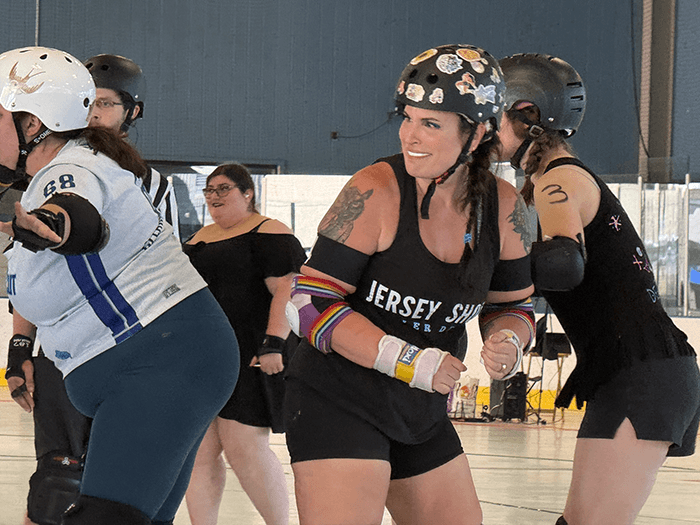
Wheels clatter at Winding River Skating Center in Toms River, and the old caricature of roller derby falls apart fast. Jersey Shore Roller Derby’s bout against the Connecticut Cutthroats still has the contact, the backward-skating officials, the pack work and the jammers hunting for daylight, but the league’s real story is what happens around the track: a skater-run nonprofit rebuilding membership, identity and purpose after the pandemic.
What modern derby actually looks like
The action is still unmistakably derby. Blockers form moving walls, referees skate backward to keep up with the pace, and jammers try to punch through a crowded pack in a split second of contact and balance. That part of the sport has not softened, but it is more structured than the television-era spectacle many fans still picture.
Jersey Shore Roller Derby uses that contrast well. The league is showing that derby is not a relic built only on theatrical violence. It is a highly organized flat-track sport, one where tactics, timing and cohesion matter as much as bruises, and where the names on the jerseys are only part of the identity.
A league built by skaters, not promoters
Jersey Shore Roller Derby was born in 2007 from the dreams of four women with a love for roller derby. It now describes itself as a skater-operated nonprofit and a member of the Women’s Flat Track Derby Association, which matters because it places control of the league in the hands of the people who actually skate, officiate and maintain it.
The roster has grown beyond those early four founders and now includes more than 70 women across its broader membership. The league also says it is recruiting skaters, refs and non-skating officials, a reminder that modern derby depends on much more than the players in the pack. It needs the people who keep score, call penalties, run the clock and make each bout possible.
The regional reach is part of the appeal too. Jerseys Shore’s skaters come from Ocean, Monmouth, Middlesex and Atlantic counties, turning the team into a local network rather than a narrow club. That mix makes the league feel less like a niche entertainment act and more like a community institution that happens to hit hard.

Who is on the track
The profile of the roster tells you a lot about derby’s current shape. The skaters include teachers, counselors, nurses, professors and business owners, which gives the team a cross-section of daily life that rarely shows up in the old cliché of derby as pure spectacle. The sport’s appeal comes from that collision of lives, not just bodies.
The nicknames still matter, and Jersey Shore leans into them. Bettie Rage, Chesty McBruiser, Mighty Mouse, Care Bear Carnage and Jack N Choke are the kinds of names that keep derby’s playful edge intact while the skating itself stays serious. The names add theater; the work on the track supplies the substance.
Jeanine Longobardi’s derby name, J9 Jolter, carries that mix of history and personal meaning even further. Her name honors her grandfather, who once competed with the Jersey Jolters, giving the league a generational thread that links family memory to present-day competition. That kind of detail is one reason derby keeps its identity even as the sport evolves.
The recovery story behind the hits
The June 27 bout against the Connecticut Cutthroats carried weight because Jersey Shore is still rebuilding after its membership declined during the pandemic. The league’s own calendar shows a Pride Bout on June 20, 2026 at Winding River Skating Center in Toms River, another sign that the schedule is filling back in as the organization regains momentum.
That recovery did not start from zero, but it did require patience. Jersey Shore says its first event since 2019 was a June 8, 2024 mixer, which underscores how long the disruption lasted before the league could return to regular activity. A bout like the one against Connecticut is therefore more than a night out on skates; it is a marker that the league has managed to hold together and keep moving.

The recent profile puts the active roster at about 25 members, a number that helps explain why each bout matters so much. It is a working league still in rebuild mode, with enough skaters to compete but still far from a full-strength return to its earlier scale. In that context, every event becomes part game, part recruitment tool and part proof of continuity.
How Jersey Shore fits into the sport’s larger structure
The league’s place in the Women’s Flat Track Derby Association gives that recovery a wider frame. WFTDA is the international governing body for women’s flat-track roller derby, and it began in 2004 as the United Leagues Coalition, formed by skater-owned leagues that wanted to re-imagine derby as a modern sport. That origin matters because it explains why today’s leagues look so different from the old carnival version of derby.
WFTDA’s COVID-19 recovery materials say the organization has more than 450 member leagues in 33 countries. Jersey Shore’s rebound is therefore part of a much larger post-pandemic reset across the sport, where leagues had to rebuild participation, restaff events and restore the local cultures that keep derby alive. The league in Toms River is not an outlier; it is a local example of how that broader system survived.
Why this bout matters now
The story on the floor is still physical, fast and loud, but the deeper story is institutional. Jersey Shore Roller Derby is a community-built league in Ocean County that is finding its footing again through a mix of competition, volunteer labor and regional identity. The bout against the Connecticut Cutthroats showed that the hits still land, but the bigger win is that the league still has a structure strong enough to keep skating.
This article was produced by Prism’s automated news system from verified source data, official records, and press releases, then run through automated quality and moderation checks before publishing. The system is built and supervised by the people who set the standards it runs under. Read our full AI policy.
Did this article answer your question?