RollArt reshapes artistic roller skating with clearer scoring and planning
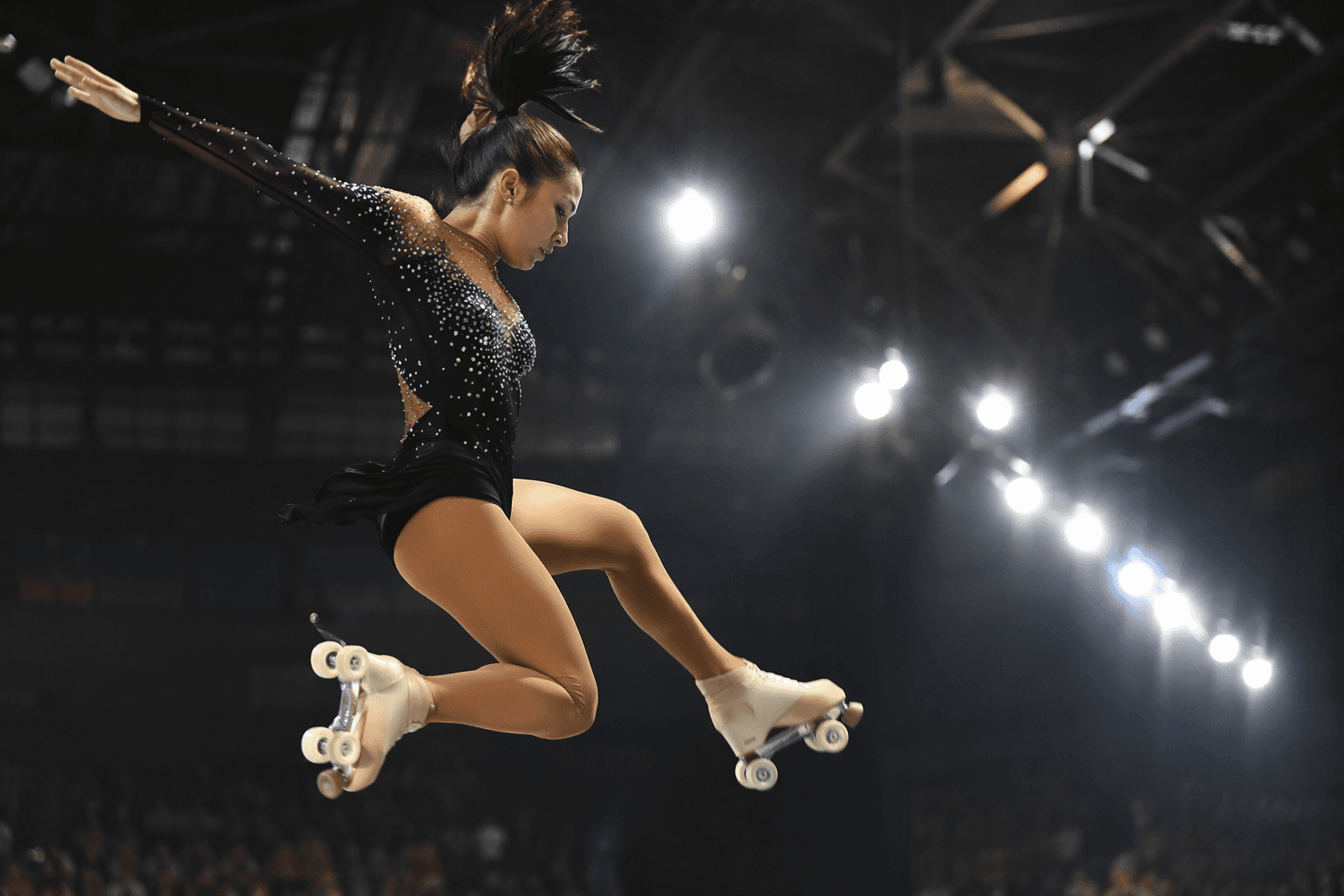
RollArt turned artistic roller skating into a score-by-score sport, where jump rotation, planned difficulty, and clean execution all show up on the sheet.
World Skate tested RollArt through 2018 and put the judging system into effect in January 2019. It gives skaters, coaches, and spectators a clearer read on what is being rewarded, what is being deducted, and why one routine can beat another even when both look polished from the stands.
How RollArt changed the scorecard
The point of the overhaul was simple: make the rules and scores easier to understand, and make the judging criteria explicit enough that athletes and coaches could see what needed improvement.
World Skate uses it across free skating, dance, pairs, precision, and other artistic disciplines. Instead of one judge’s broad sense of artistry carrying too much weight, the system pushes the result toward itemized final sheets and more transparent evaluation.
What now earns points, and what loses them
The clearest way to understand RollArt is to look at the free-skating values sheet. The sheet lists named jumps such as the waltz jump, toe loop, salchow, flip, lutz, loop, thoren, and Axel, and each one carries different values depending on whether it is landed as a single, double, triple, or quadruple. That creates the modern tension in the sport: higher difficulty can raise the ceiling, but only if the element is executed cleanly.
RollArt also punishes missed rotation. The values tables use symbols like < and << to mark under-rotated elements, which lowers the base value when a jump is short of full rotation. A routine can look elegant and still lose ground if the jump content is undersold, while a more aggressive program can win if the skater lands difficult elements cleanly and on time.
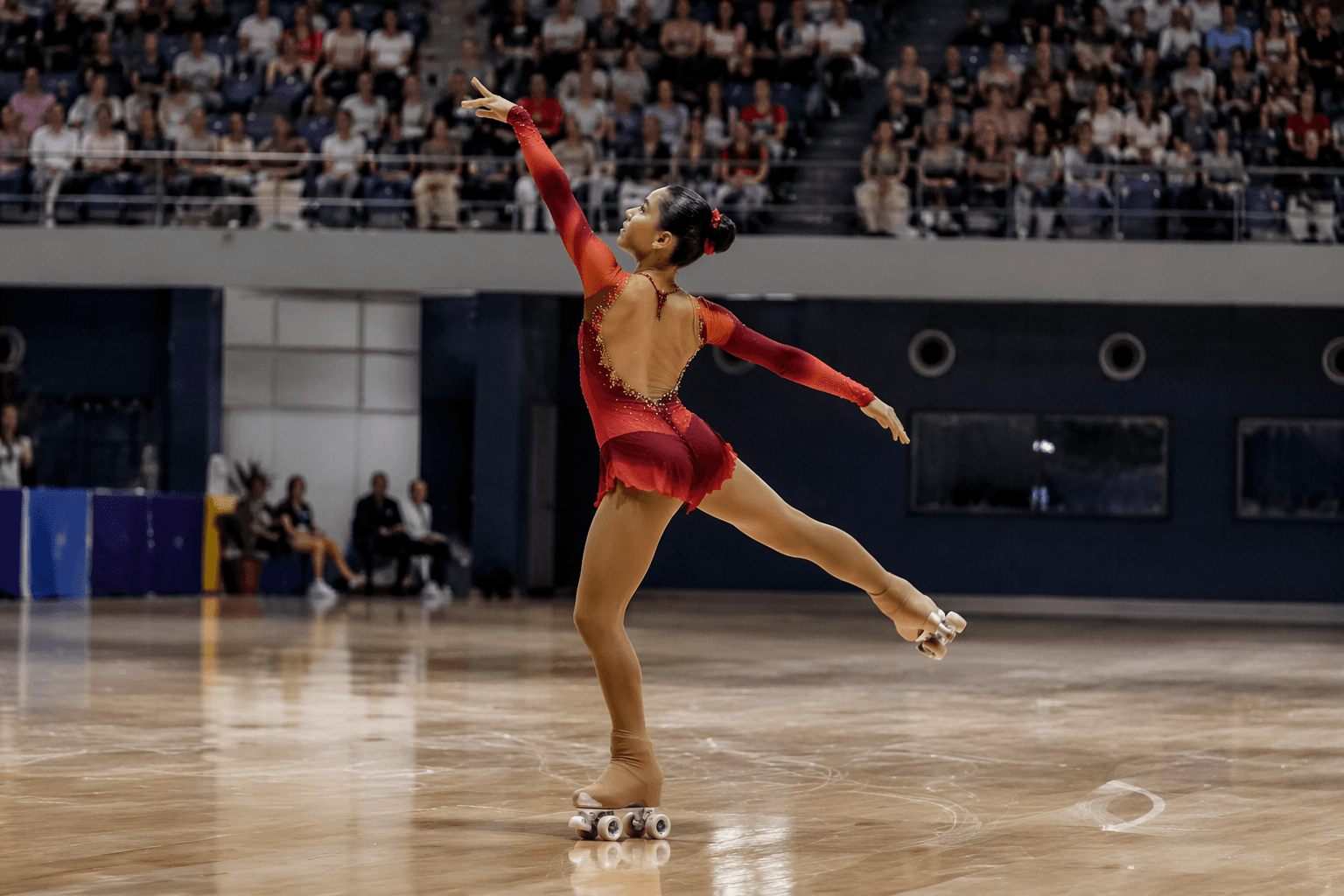
That trade-off has changed how routines are built. A skater chasing a bigger jump combination is not just trying to impress the eye; the athlete is trying to create enough technical value that the risk is worth it. If the landing is messy or the rotation is incomplete, the score sheet can erase the advantage fast.
Why planning matters before the music starts
RollArt is not only a judging system. It is a planning tool. World Skate updated the RollArt Calculator to support the 2026 rules, and the tool automatically calculates a program’s Technical Content Value once the elements and difficulties are entered under the current regulations.
That changes the pre-competition workflow. Coaches and athletes can model a routine before stepping on the floor, check whether a planned layout is worth the risk, and adjust the program if the math does not support the ambition. In other words, the score is not just something you discover after the skate; it is something you can build in advance.
World Skate’s 2026 materials include separate value documents for free skating, dance, pairs, precision, and quartets, and the setup manual lays out technical requirements for the event itself, including a laptop for the data operator and between 3 and 9 judge or referee devices.
How RollArt spread from test phase to world stage
RollArt did not appear overnight. The system took about five years to develop before its first world-stage debut, and that rollout included seminars, experiments, and technical workshops designed to standardize judging across continents.
The first major showcase came at the 2019 World Roller Games in Barcelona. World Skate listed more than 4,000 athletes from 81 countries, with 128 sports events spread across 13 venues.
The rollout also reached far beyond Europe. World Skate held a seminar in Cairo on December 14, 2018, led by Spanish judge Mario Calzas, to introduce the new system and prepare future international judges. In Shanghai, more than 70 judges, coaches, and athletes took part in a seminar focused on RollArt and roller dance, while later sessions in Oceania continued to stress teaching and evaluation under the same framework.
Why transparency changed the sport
Artistry now has a scoring language attached to it. Nicola Genchi, the chairman of the World Skate Artistic Technical Commission, described the testing period as a success and said the new philosophy was building momentum among the people closest to the sport.
World Skate’s 2025 and 2026 rules packages continue to update, clarify, and document the system.
The sport still rewards presence, speed, and control. But under RollArt, the routine that wins is the one that can survive the sheet. A beautiful program without enough rotation or difficulty can slide down the standings, while a harder routine with cleaner execution can climb right past it.
This article was produced by Prism’s automated news system from verified source data, official records, and press releases, then run through automated quality and moderation checks before publishing. The system is built and supervised by the people who set the standards it runs under. Read our full AI policy.
Did this article answer your question?