Roller skating offers a mental health reset for all ages
Skaters in Baton Rouge called the rink a reset, and public-health data show one session can ease anxiety fast while building mood over time.

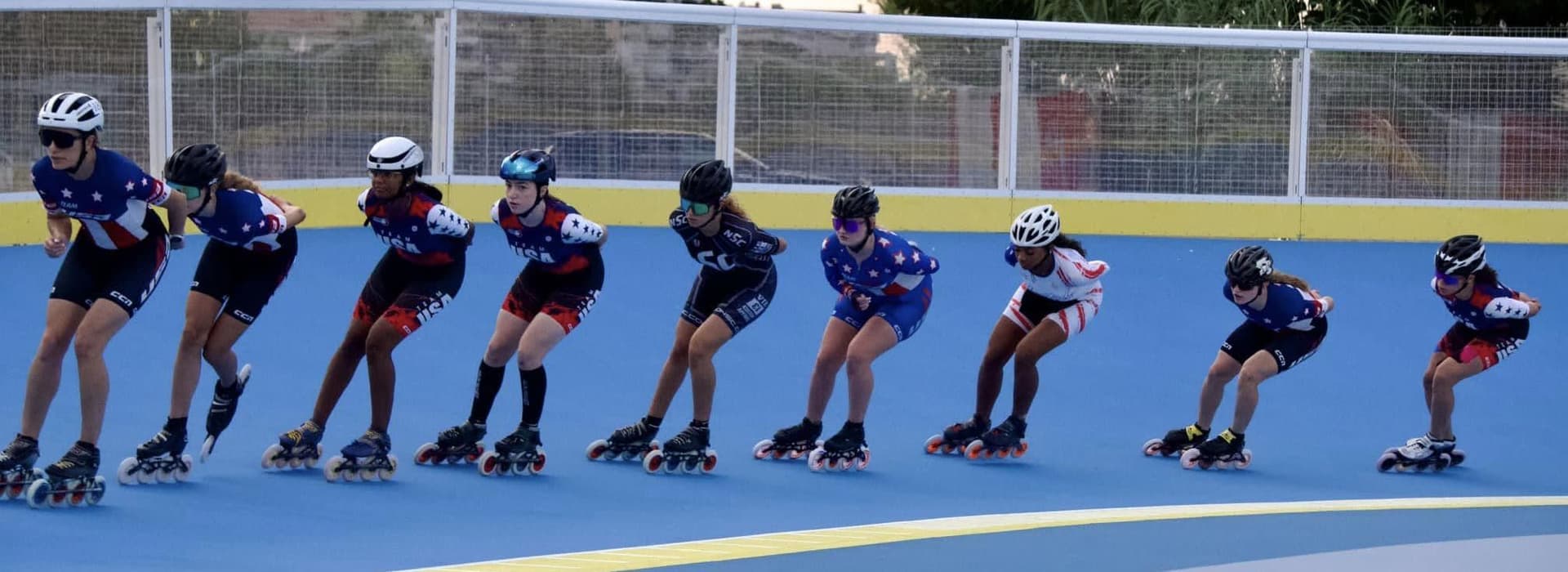
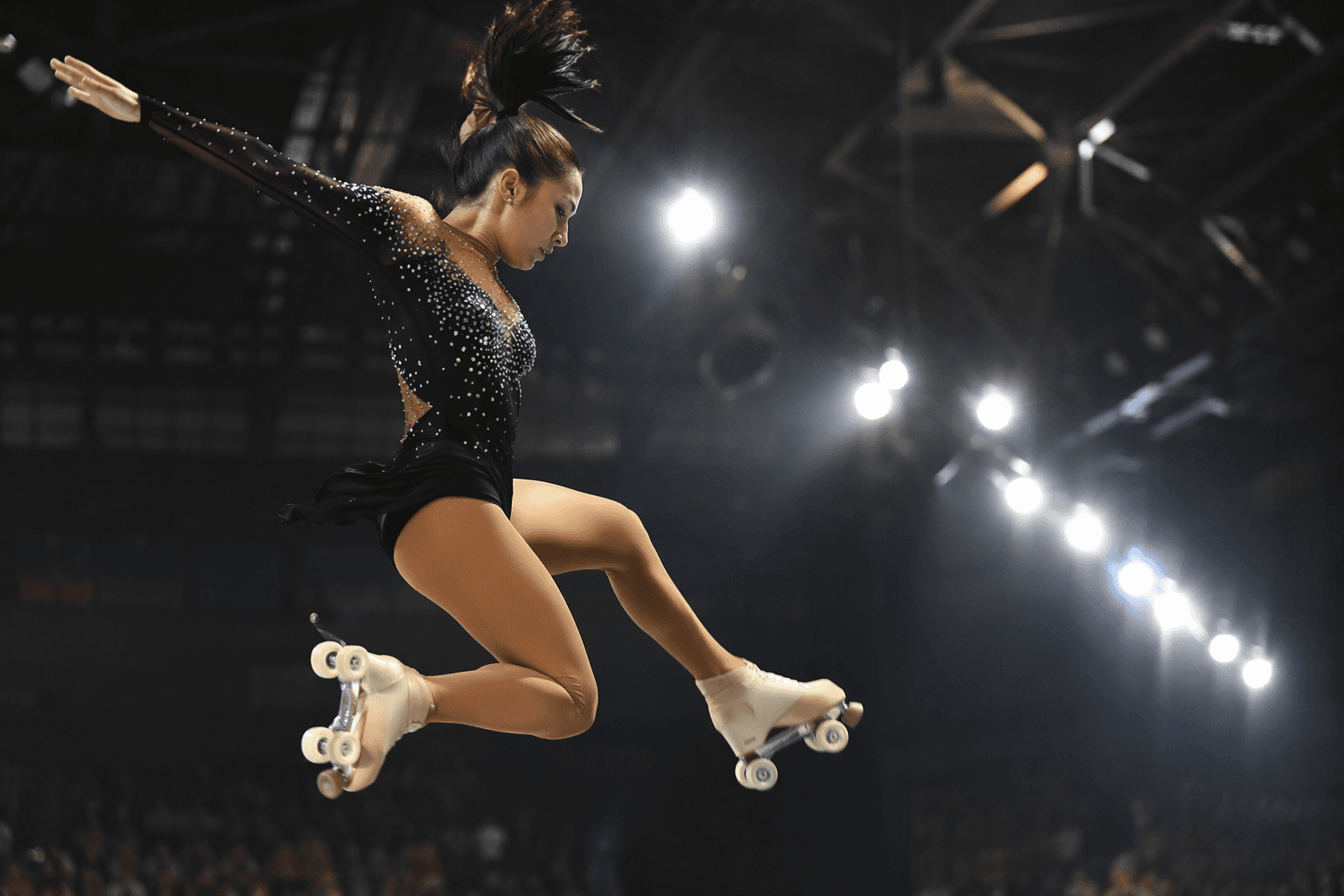
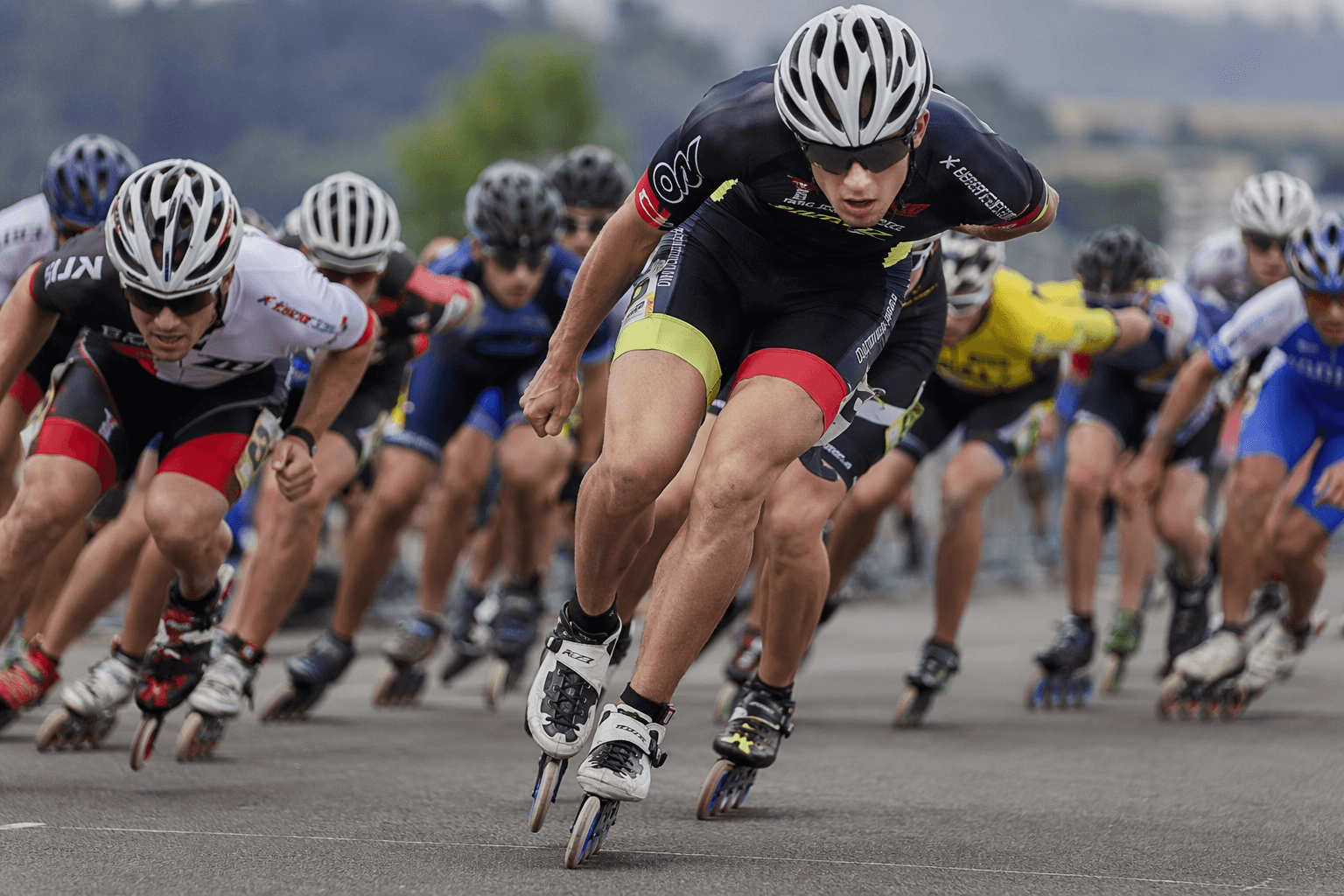
Roller skating is doing more than filling a rink floor in Baton Rouge, Louisiana. For skaters of different ages, it has become a rare crossover space where exercise, rhythm, nostalgia and a screen-free social break come together fast enough to change the way they feel before the session is even over.
That quick payoff matters because the health case is stronger than a feel-good slogan. The CDC says some brain-health benefits from moderate-to-vigorous physical activity happen right after a session, including reduced short-term feelings of anxiety in adults. The National Institute on Aging says exercise can reduce feelings of depression and stress, enhance mood, increase energy and improve sleep. Adults are advised to get 150 minutes a week of moderate-intensity aerobic exercise, yet Healthy People 2030 says only 1 in 4 U.S. adults and 1 in 5 adolescents meet physical activity guidelines for aerobic and muscle-strengthening activity. Roller skating offers an accessible way to close that gap.
The sport also carries a deeper cultural weight than many casual recreation trends. Its roots go back to the 18th century, with early history commonly traced to John Joseph Merlin in the 1760s, and it surged in popularity in the 1880s. JSTOR Daily has noted its ties to Black social movements, a reminder that skating rinks have long been more than novelty spaces. They have worked as gathering places, performance spaces and, for many communities, places where movement and identity have always overlapped.

That combination helps explain why a 2022 pilot study of recreational figure roller-skating found creative sessions outperformed traditional ones in perceived competence, social relationships and adherence. The Baton Rouge skaters described the same pull in plain terms, calling the rink a place to relieve stress and find community, with one saying the activity creates an “addictive pull” because of endorphins and constant learning. A gerontologist also pointed out that skating works multiple muscle groups and improves balance, which gives the mood boost a physical foundation.
That is the real edge of roller skating now: it is not just exercise, and not just entertainment. It is a low-barrier outlet that can make people feel better immediately, while giving kids, adults and older skaters a reason to keep coming back.
This article was produced by Prism’s automated news system from verified source data, official records, and press releases, then run through automated quality and moderation checks before publishing. The system is built and supervised by the people who set the standards it runs under. Read our full AI policy.
Did this article answer your question?