Rose City Rollers blend Portland pride, queer inclusion and derby grit
Rose City Rollers turn inclusion into competitive advantage, pairing queer belonging with a 400-plus-skater pipeline and a championship track record in Portland.
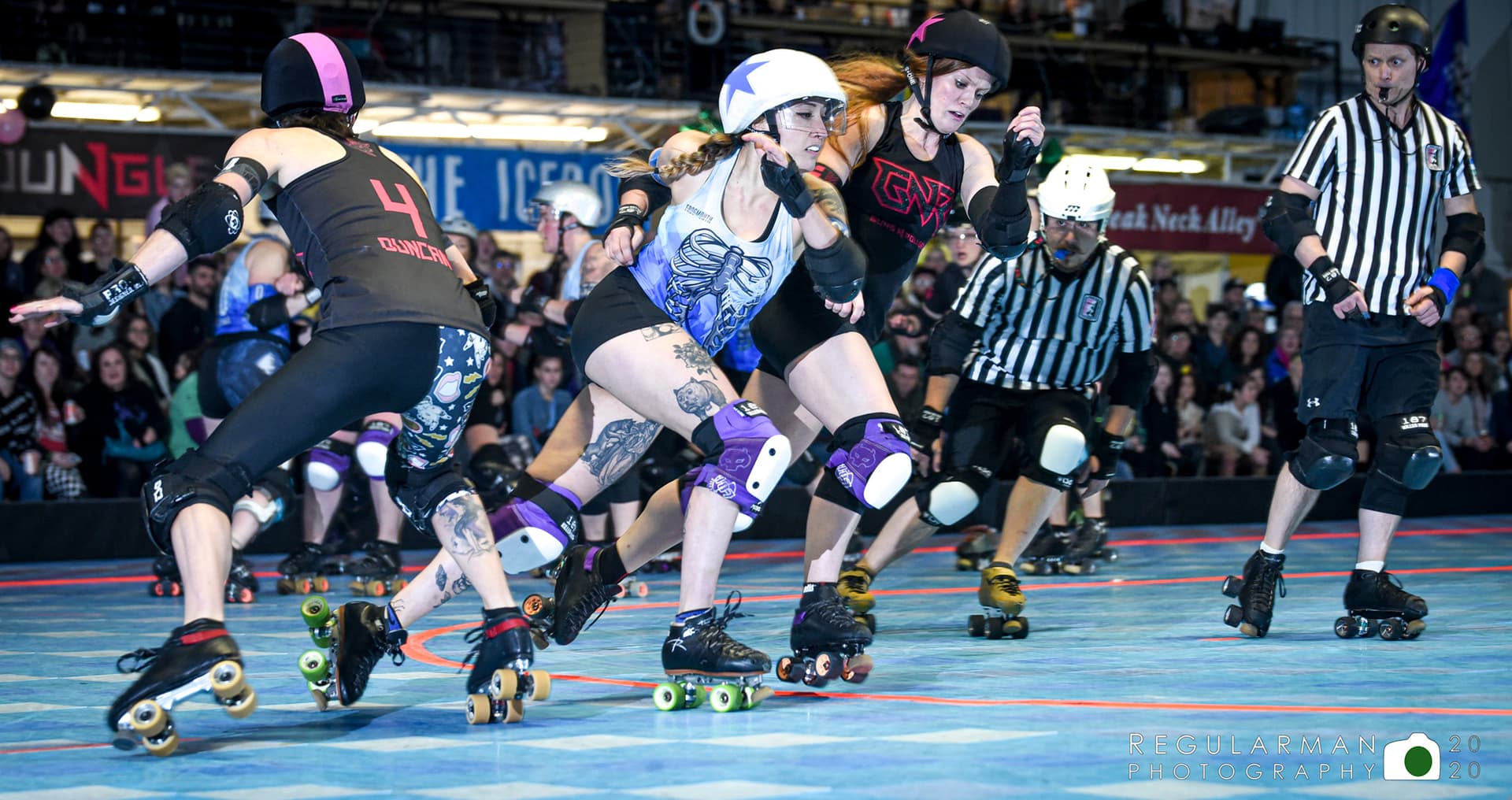
Rose City Rollers has become one of roller derby’s clearest examples of how belonging can sharpen competition. In Portland, the league’s mix of queer inclusion, structured pathways for newcomers and championship-level skating has turned identity into part of the engine, not a side note.
Portland’s derby power center
Founded in 2004 in Portland, Oregon, Rose City Rollers grew alongside the city’s reputation as a roller derby mecca. That backdrop matters because the league has never had to choose between being a community institution and being an elite sports organization. It is both, and its longevity has helped make that combination feel normal in Portland.
The league now says it includes more than 400 skaters across four home teams, an internationally ranked travel team, two junior derby programs, a developmental competitive program and a recreational program. Skaters range in age from 7 to 60 years old, which gives Rose City a rare mix of youth development, adult participation and high-level competition under one roof. The Rosebuds and Rose Petals youth programs alone include more than 120 skaters, showing how early the pipeline begins.
Inclusion is built into the structure
Rose City Rollers says its mission is to serve women, girls and gender-expansive individuals who want to play roller derby and connect with an inclusive community. That language is not cosmetic. It reflects a sport culture that has long made room for people who may have felt shut out of other athletic spaces, especially because derby treats hard contact and gender diversity as compatible rather than contradictory.
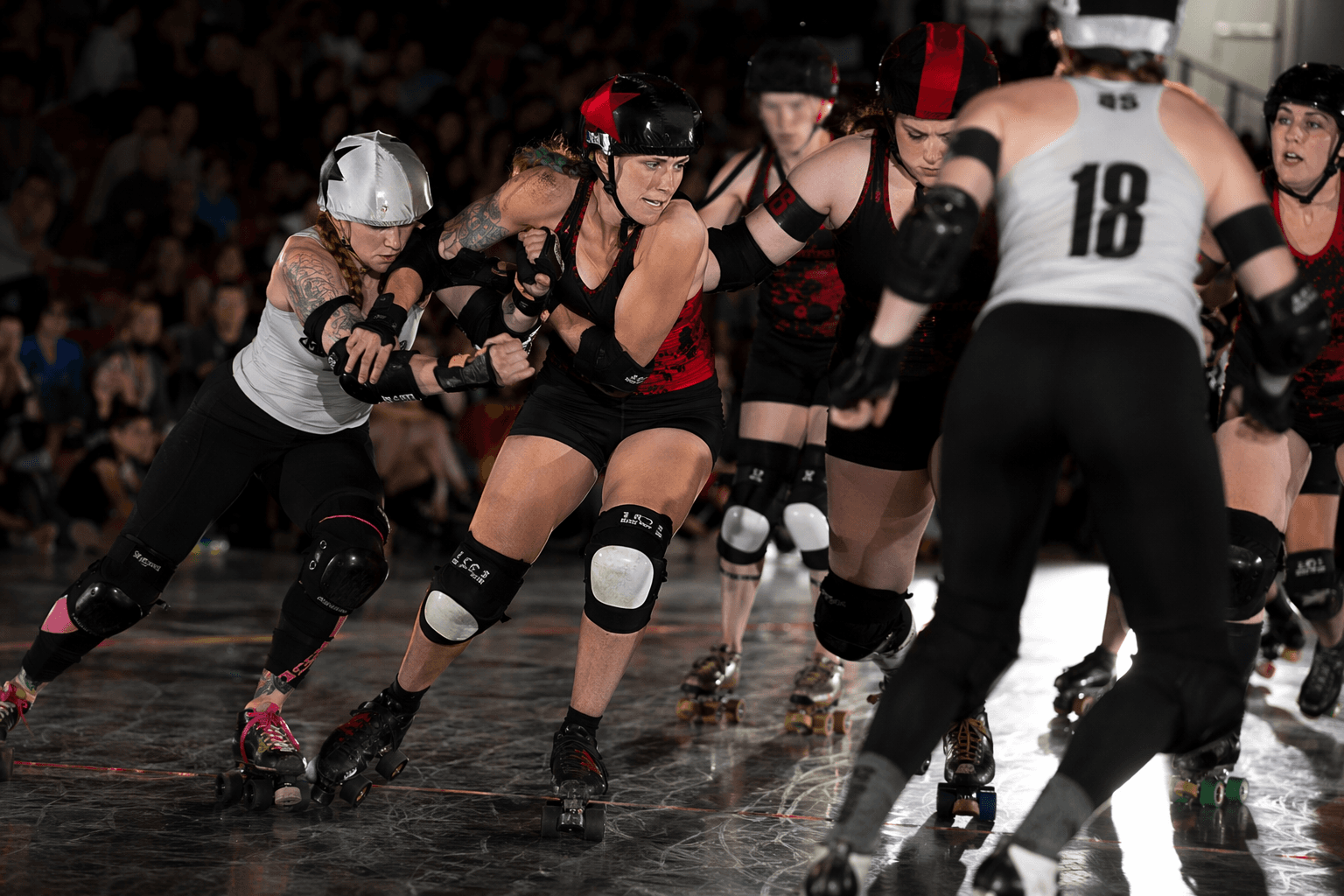
The Women’s Flat Track Derby Association has formalized that approach. Its Gender Statement says participation as a volunteer or employee is open to individuals of all genders, and its use of the word women includes trans, cis, intersex and gender-expansive women. WFTDA membership also requires leagues to be managed by at least 67% league participants who identify as a marginalized gender and owned by at least 51% such participants. Those rules make clear that inclusion is not merely a local vibe in Portland; it is part of the governing framework of the sport.
For Rose City, that structure helps explain why the league can be welcoming and still fiercely competitive. A team built around marginalized genders and queer belonging is not operating in spite of derby’s physicality. It is using that physicality as a place where skaters can fully commit, trust each other and play with purpose.
The on-ramp is real, not symbolic
The clearest sign that Rose City turns openness into practice is its Adult Intro to Derby Series. The current series is a four-week program that teaches newcomers the basics and provides rental skates and gear, which lowers the barrier to entry in a sport that can otherwise look intimidating from the outside. It is a practical invitation, not just branding.
That matters because derby recruitment often depends on whether first-timers can imagine themselves in the space long enough to learn the game. A beginner who can show up, get equipment and work through fundamentals is more likely to stay through the awkward first stages and move into recreational skating or more competitive tracks. Rose City’s structure gives those skaters a path forward instead of leaving them at the door.
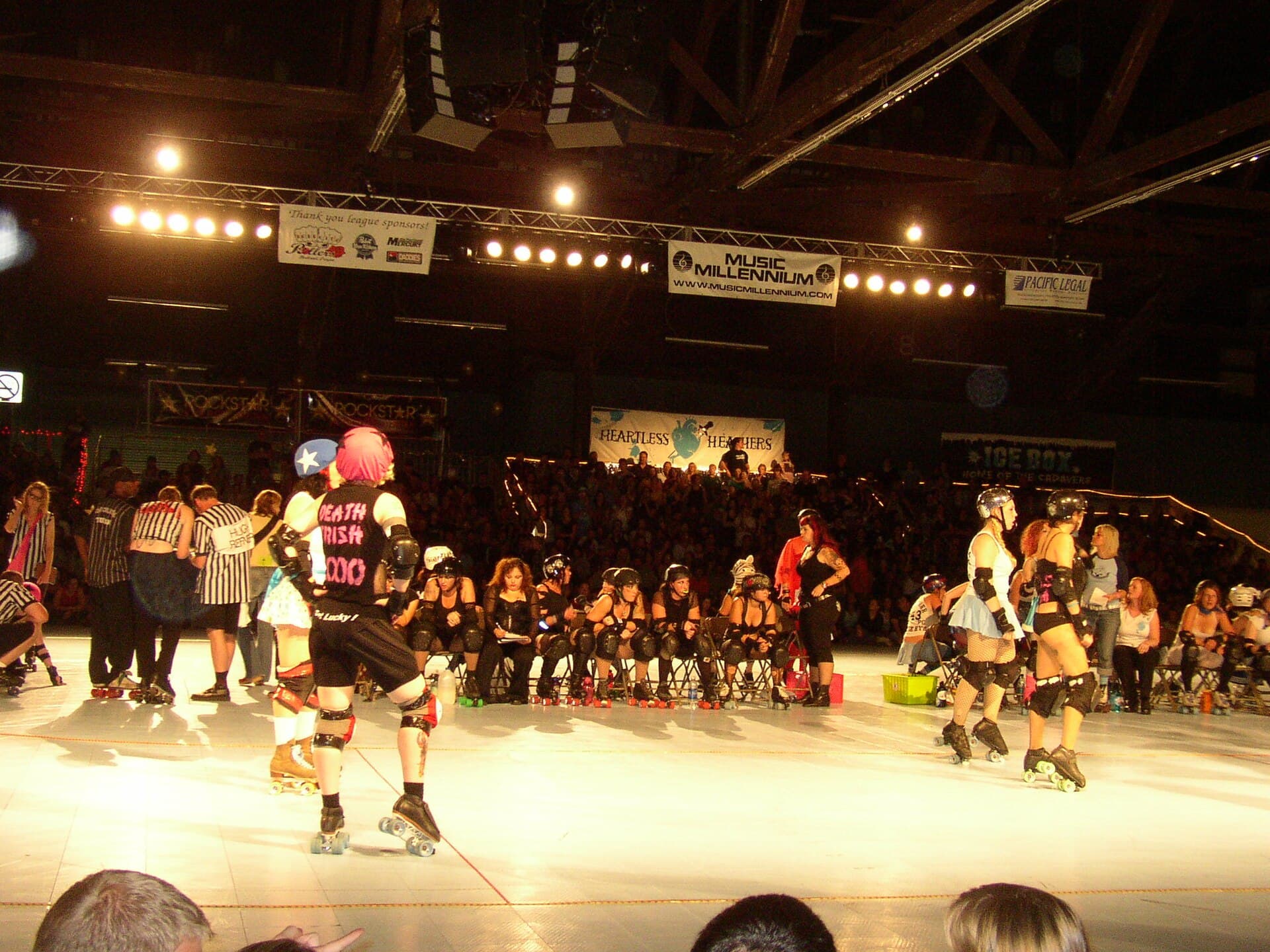
The league’s breadth also reinforces retention. With home teams, junior programs, recreational skating and a developmental competitive program, skaters can find the right level without leaving the organization when their goals change. That kind of continuity is especially important in a sport built on volunteer labor, community buy-in and repeated contact with the same teammates and opponents.
Wheels of Justice still set the standard
The competitive proof is in Wheels of Justice, Rose City’s travel team, which won WFTDA championships in 2015, 2016, 2018, 2019 and 2024. That run places the league among the most accomplished in modern roller derby and gives its culture real sporting weight. Inclusion is not being used to soften the edge here; it exists alongside one of the sport’s strongest competitive records.
Portland also hosted the 2024 WFTDA Global Championships from November 1-3, 2024 at Veterans Memorial Coliseum, and the field included 13 teams from around the world. Rose City won again on its home floor, adding another chapter to a résumé that already carried the authority of repeated titles. The setting underscored how deeply the league is woven into the city’s sports identity.
That championship history also helps explain why Rose City’s model resonates beyond Portland. A league can be an entry point for beginners, a home for youth skaters, a recreational outlet and an international contender at the same time. Rose City has shown that the track can be a place where queerness, belonging and full-contact sport strengthen one another, and that may be the most durable advantage any derby league can have.
This article was produced by Prism’s automated news system from verified source data, official records, and press releases, then run through automated quality and moderation checks before publishing. The system is built and supervised by the people who set the standards it runs under. Read our full AI policy.
Did this article answer your question?